
 English
 中文简体
中文简体 русский
 日本語
日本語 Français
 Español
 عربى
عربىen
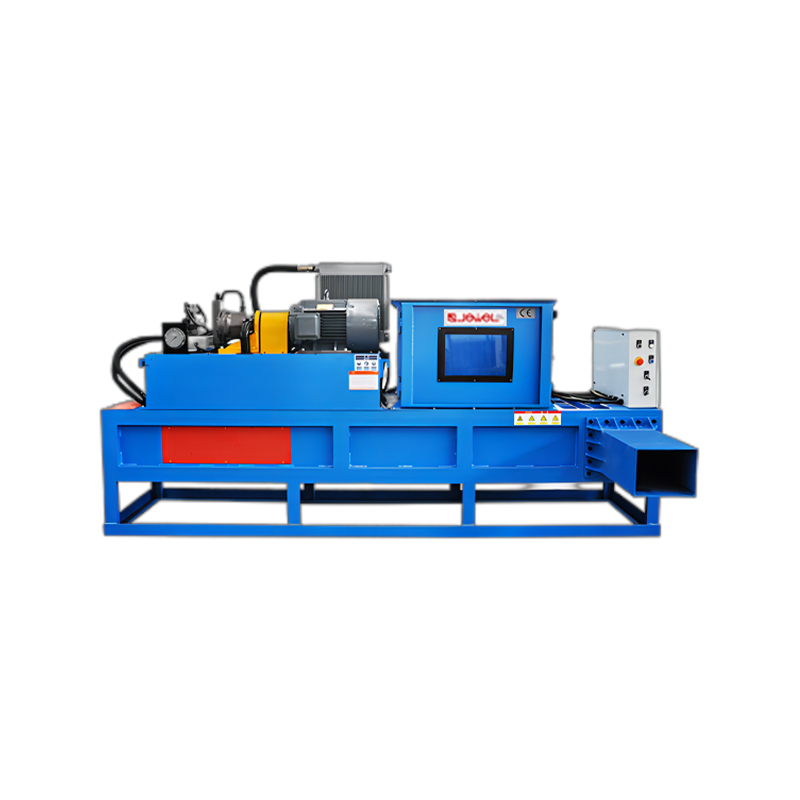
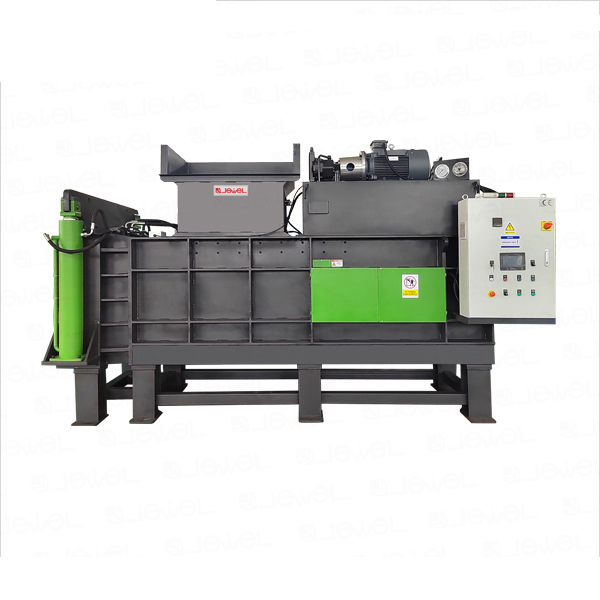
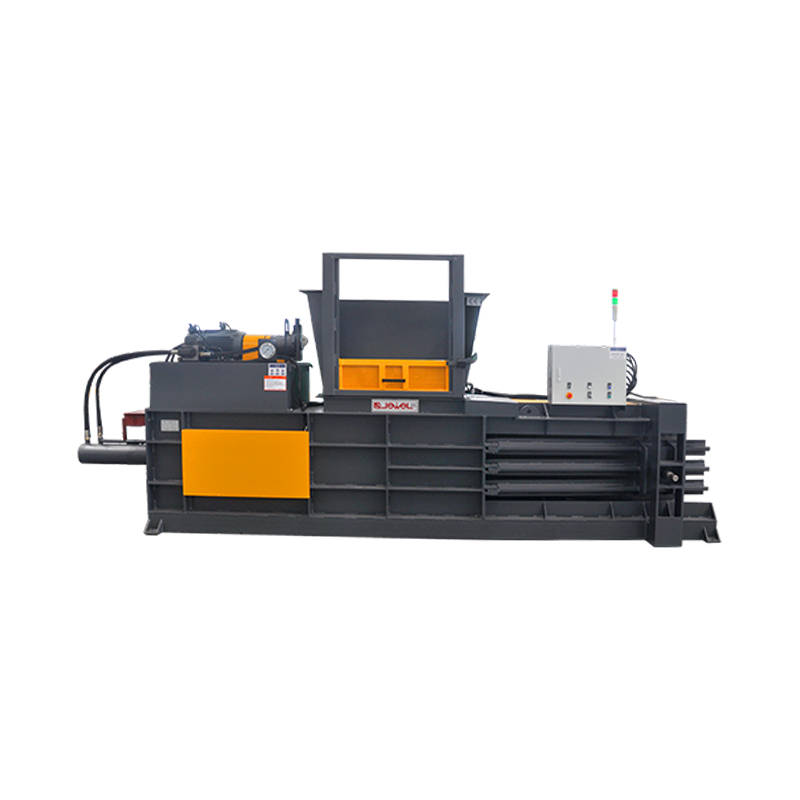
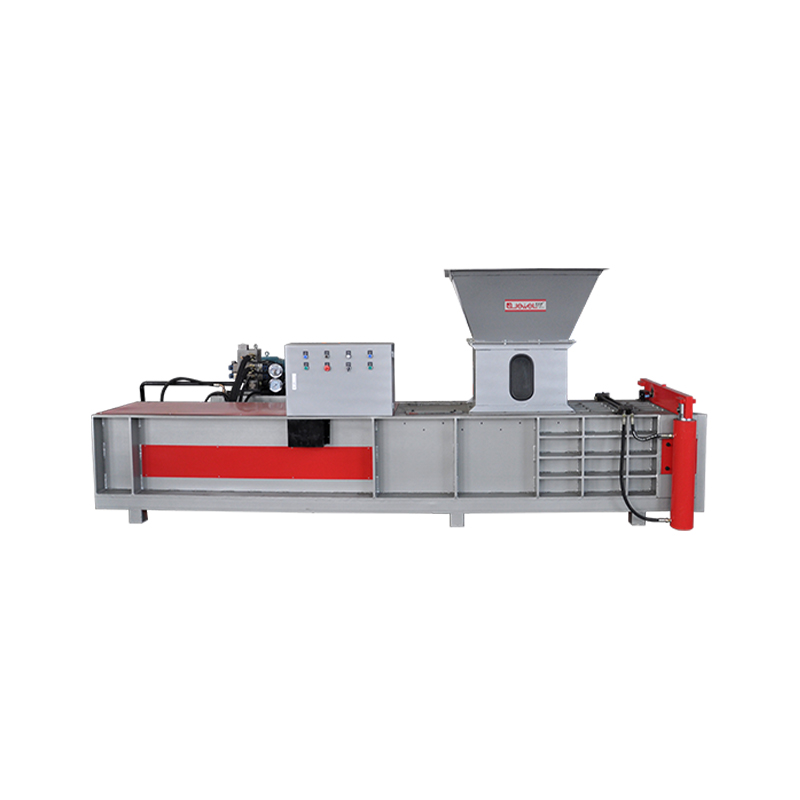
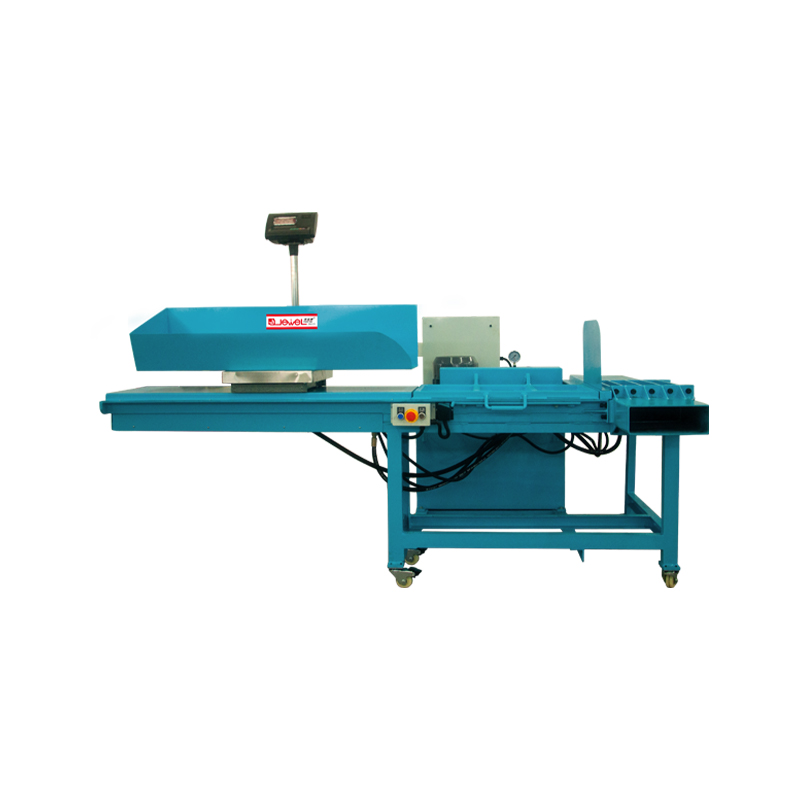
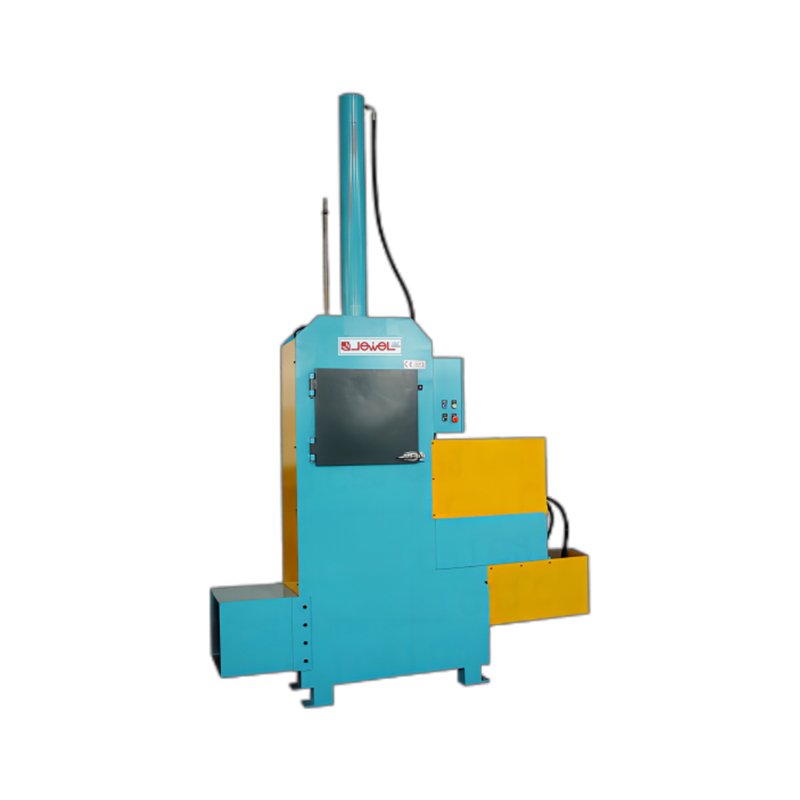
INDUSTRY GUIDE Waste Compression and Material Handling What Is a Horizontal Baler and Which Type Fits Your Material? Horizontal balers compress large volumes...
READ MORE2026-08-07
Content
Manufacturing plants, distribution centers, and recycling facilities that generate large volumes of cardboard, plastic film, textile scraps, or metal turnings face the same recurring operational challenge: reducing bulky waste streams into dense, transportable bales without slowing down the production line. Horizontal Balers address this challenge directly. Their horizontally oriented compression chamber accepts continuous material feed while a hydraulic ram compresses the load into uniform, high-density bales suitable for warehouse storage, transport, or resale to material recovery buyers.
Unlike compaction equipment that processes material in short, isolated cycles, a horizontally configured chamber is engineered to keep pace with ongoing production output. Material can be fed in while a previous cycle is still finishing compression, and the finished bale is pushed out along a level discharge path rather than lifted or tipped. This working principle is why horizontal chamber designs remain the standard choice for facilities running multiple shifts and handling several tons of scrap material per day.
For a manufacturing plant weighing equipment options, the decision usually comes down to how much material moves through the facility on a daily basis and how much floor length is available to accommodate a longer chamber. A horizontal chamber trades a larger footprint for the ability to keep running without waiting for an operator to clear the compression space, which is the reason this configuration shows up so consistently on the floor of packaging plants, textile mills, and recycling sorting lines where waste generation never really stops between shifts.
The compaction sequence inside a horizontal chamber follows a fixed mechanical order. Understanding each stage helps facility managers estimate cycle time, plan feed logistics, and anticipate maintenance points before a unit is installed on the floor.
Loose material enters through a top-mounted or side-mounted hopper. Conveyor systems or manual feeding can supply the chamber, and photoelectric sensors monitor fill level to trigger the next compression cycle automatically.
A hydraulic ram travels along the horizontal chamber, applying steady pressure against the material. Pressure output is regulated by the hydraulic pump and valve block to match the density target set for the material type.
Multiple ram strokes accumulate compressed layers inside the chamber. Because the chamber is long rather than tall, each layer receives even pressure distribution, which keeps the finished bale consistent from end to end.
Once the target density is reached, wire or strap channels close around the compressed block and automatic tying heads secure the bale, holding its shape during transport and stacking.
The chamber door releases and the finished bale is pushed out along a level discharge track, often directly onto a roller conveyor, freeing the chamber for the next intake cycle without downtime.
Material can be loaded while compression is in progress, so production lines are not required to pause while waste is processed, which keeps overall plant throughput steady.
The extended horizontal stroke distributes pressure evenly across the full length of the chamber, producing bales with consistent weight and shape from batch to batch.
Automatic intake, tying, and discharge functions reduce the number of manual steps needed per cycle, allowing one operator to oversee several stages of the compaction process.
Dense, uniformly shaped bales stack more efficiently in storage and load more predictably onto transport vehicles, lowering the labor and space needed for outbound logistics.
Reinforced chamber walls and thick wear plates resist the repeated pressure and abrasion generated by dense material, extending service life under heavy daily use.
Programmable logic controllers manage ram speed, pressure limits, and cycle sequencing, giving operators repeatable results and clear fault diagnostics on the control panel.
Chamber orientation is the defining difference between these two equipment categories, and it shapes nearly every other characteristic of the machine. A horizontal chamber lays the compression path along the floor, which allows continuous feeding and a level discharge route. A vertical chamber stacks the compression path upward, which limits the machine footprint but requires the operator to complete one full cycle, open the chamber, and remove the bale before the next load can be pressed. The table below lines up the two configurations across the factors that matter most when selecting equipment for a working facility.
| Comparison Factor | Horizontal Baler | Vertical Baler |
| Chamber Orientation | Horizontal, floor-level compression path | Vertical, top-down compression path |
| Feed Method | Continuous feed during operation | Single load per cycle |
| Cycle Type | Ongoing, minimal pause between loads | Stop-and-start, chamber must be opened to unload |
| Floor Footprint | Larger footprint, lower overall height | Compact footprint, taller machine profile |
| Typical Daily Capacity | Mid to high volume, multi-ton output | Low to mid volume, suited to periodic loads |
| Automation Level | Fully automatic intake, tying, and ejection available | Mostly semi-automatic, manual bale removal common |
| Bale Density Consistency | High consistency across the full bale length | Moderate consistency, dependent on load evenness |
| Best Suited Facility Type | Multi-shift plants with steady scrap volume | Retail backrooms and low-volume operations |
The horizontal chamber design tolerates a wide range of material shapes and densities, which is one reason this equipment category is common across so many industries. The following material types are routinely processed through horizontally configured chambers.
Flattened boxes and packaging offcuts compress into dense, stackable bales that are simple to load onto flatbed trailers for outbound transport.
Lightweight film is prone to bulking up in storage; horizontal compression reduces its volume dramatically while keeping the bale bound tightly for handling.
Rigid containers require higher baling force to achieve a solid bale shape, which a horizontal ram with adjustable pressure settings can deliver reliably.
Fabric offcuts and garment trimmings compress well under sustained pressure, producing bales that are easier to sort and transport than loose fabric bins.
Reinforced chamber plating handles the abrasive nature of metal shavings and light scrap, forming compact bales for onward processing.
Loose stalks and residue take up considerable storage volume in raw form; horizontal compression turns them into manageable, tie-secured bundles.
Bulky foam packaging compresses into a fraction of its original volume, which significantly reduces the number of outbound trips needed for disposal or recycling.
By automation level — Manual balers rely on the operator to control the pressing cycle from start to finish and are typically found in low-volume settings. Semi-automatic balers handle the compression stroke automatically but still require manual tying or bale removal. Fully automatic balers manage intake, compression, tying, and ejection without operator intervention at each step, which is the configuration most often paired with a horizontal chamber for continuous processing.
By chamber structure — Single-ram machines use one hydraulic cylinder to drive the compression stroke and suit standard material streams. Double-ram or multi-ram machines apply force from more than one direction, which improves bale density for denser or more resistant materials and supports higher daily processing volumes.
By discharge form — Open discharge machines release the finished bale directly onto a conveyor or floor space. Closed or shuttle discharge machines move the compressed bale into a secondary holding position before release, which allows the main chamber to begin the next cycle sooner and further shortens the overall time between bales.
Specification figures vary by manufacturer and model, but the ranges below reflect common values found across mid-size to large horizontal chamber equipment used in industrial settings.
| Specification | Typical Range |
| Baling Force | 400 kN – 1,200 kN |
| Chamber Cross Section | 700 mm x 1,100 mm – 1,100 mm x 1,100 mm |
| Bale Weight | 300 kg – 700 kg per bale, material dependent |
| Cycle Time | 25 – 45 seconds per compression stroke |
| Motor Power | 22 kW – 75 kW |
| Bale Density | 300 kg/m³ – 600 kg/m³, material dependent |
A horizontal chamber applies enough hydraulic force to compress dense material into a fraction of its original volume, which means the safety systems built around that force deserve as much attention as the compression performance itself. Door interlocks stop the ram immediately if the chamber access point is opened during a cycle, and emergency stop controls are positioned within easy reach of the feed area so an operator can halt the machine the moment an issue is spotted. Light curtains or physical guarding around the feed opening add a further layer of protection on units handling continuous material flow.
Operator training typically covers three areas before a facility puts a new unit into daily use: safe feeding procedures for the specific material being processed, correct response to PLC fault codes, and the routine visual checks that catch developing wear before it becomes a breakdown. Facilities that build these checks into a shift handover routine tend to see fewer unplanned stoppages, since small issues such as a loosening guard or a slow hydraulic leak are caught while they are still minor rather than after they interrupt a production run.
Estimate the weight or volume of material generated per shift so the chamber size and motor power can be matched to actual output rather than guesswork.
Horizontal units require a longer footprint than vertical units, so confirm clearance for the chamber length, discharge path, and feed access before finalizing a model.
Lightweight film and foam behave differently under pressure than rigid plastics or metal turnings, which affects the baling force and chamber design needed.
Confirm that the facility's electrical supply matches the motor and voltage requirements of the equipment, particularly for higher-force models used on dense materials.
Facilities running continuous shifts generally benefit from full automation, while lower-volume operations may find a semi-automatic configuration sufficient for their needs.
Account for routine maintenance, wear part replacement, and energy consumption alongside the initial equipment cost when comparing options over their full service life.
The service life of a horizontal chamber depends heavily on how its hydraulic system and structural frame are engineered. The main hydraulic cylinder drives the compression ram along guided rails set into a reinforced steel frame, which keeps the ram aligned even under repeated high-pressure strokes. Wear-resistant liner plates protect the interior chamber walls from the abrasion caused by dense or sharp-edged material, and these plates are typically designed for replacement without requiring disassembly of the full chamber structure.
Safety interlocks are built into the chamber door and access points, halting the compression cycle if a door is opened or a guard is disturbed during operation. Pressure relief valves protect the hydraulic circuit from overload, and the PLC control system logs cycle counts and fault codes, which supports predictable maintenance scheduling instead of reactive repairs. Together, these structural and hydraulic design choices are what allow a horizontally configured baler to run multiple shifts per day over many years of continuous service.
Hydraulic pump design has a direct effect on how much electricity a horizontal chamber consumes over a full working shift. Variable-displacement pumps adjust oil flow to match the actual load rather than running at a fixed rate, which reduces energy draw during the portion of each cycle when the ram is not under peak resistance. Facilities running two or three shifts benefit most from this approach, since even a modest reduction in per-cycle power draw compounds into a meaningful reduction on the monthly electricity bill once it is multiplied across thousands of cycles.
Operating cost is not limited to electricity. Wear plate replacement intervals, tying wire or strap consumption, and hydraulic fluid change schedules all factor into the real cost of running a horizontal chamber over several years. Facilities that track cycle counts through the PLC control system can plan wear part replacement proactively, avoiding the higher cost and downtime associated with a component failing mid-shift. Selecting a unit with accessible wear plates and a straightforward hydraulic fluid service point tends to reduce both the time and the cost associated with routine upkeep.
The shape and density produced by a horizontal chamber directly influence how bales are handled once they leave the machine. Rectangular bales with consistent dimensions stack cleanly on top of one another, which allows more material to be stored in a given warehouse footprint compared with loose or irregularly shaped waste. Forklifts fitted with bale clamps can move finished bales without the need for pallets, which further reduces handling time between the discharge conveyor and the storage or loading area.
Outdoor storage is common for material awaiting transport, and bale density plays a role here as well. A tightly compressed bale sheds rainwater more effectively than a loosely packed one and holds its shape through repeated handling, which reduces the amount of loose material that ends up scattered around a storage yard. Facilities exporting baled material over long distances also benefit from higher density, since transport cost is generally tied to load volume as much as it is to weight, and a denser bale allows more material to fit within the same trailer or container space.
Sorting centers use horizontal chambers to convert mixed recyclable streams into bales sized for onward processing and transport.
High volumes of packaging waste from receiving docks are compacted daily, freeing storage space and reducing outbound waste transport frequency.
Fabric offcuts and production waste are baled continuously alongside cutting and sewing operations without interrupting the production schedule.
Crop residue and packaging material generated during harvest season are compacted into bundles that are easier to store and move.
Light metal turnings and offcuts from cutting operations are compacted into dense bales suited for onward metal recovery.
Trim waste and reject sheets from paper production lines are baled continuously to keep pace with high-speed converting equipment.
What is the main difference between a horizontal baler and a vertical baler?
A horizontal baler compresses material along a floor-level chamber and supports continuous feeding, while a vertical baler compresses material from top to bottom in a single-load cycle and requires the chamber to be opened for bale removal between cycles.
How much material can a horizontal baler process per hour?
Processing rate depends on chamber size, motor power, and material type, but mid-size to large horizontal units commonly handle several hundred kilograms to multiple tons of material per hour under continuous operation.
What bale density can a horizontal baler achieve?
Typical bale density ranges from around 300 kg/m³ to 600 kg/m³ depending on the material being processed, with denser materials such as rigid plastics achieving higher figures than lightweight film or foam.
Can a single horizontal baler handle mixed material types?
A horizontal chamber can process different material types over time, but pressure settings and feed procedures should be adjusted between material changes to maintain consistent bale quality and protect chamber components.
What routine maintenance does a horizontal baler require?
Routine maintenance includes checking hydraulic fluid levels, inspecting wear plates and tying components, verifying safety interlocks, and monitoring PLC fault logs to catch developing issues before they affect production.
Is a horizontal baler suitable for continuous production lines?
Yes, the continuous feed capability of a horizontal chamber is specifically suited to facilities running multiple shifts, since material can be loaded while a previous cycle is still completing compression.
How much floor space does a horizontal baler need compared to a vertical baler?
A horizontal baler generally needs a longer footprint to accommodate the chamber length and discharge path, while a vertical baler occupies less floor area but requires more overhead clearance for its taller profile.
Can the chamber size and motor power be customized for a specific facility?
Chamber cross-section, baling force, motor power, and control panel language can be configured to match a facility's material stream, throughput target, and local electrical supply standards before the unit ships from the factory.
Chamber dimensions, baling force, motor specification, and control system language can all be configured to match the material stream, throughput target, and power supply standards of a specific facility. Manufacturing at the factory level allows chamber cross-sections to be scaled for smaller workshop operations or expanded for high-volume production floors, while feed height and discharge orientation can be arranged to fit existing conveyor layouts rather than requiring the facility to redesign its material flow around a fixed equipment footprint.
Voltage and control panel configurations can be adapted to match electrical standards used across different regions, and control interfaces can be set up in the operating language required on site. Before leaving the production floor, each unit is run through pressure testing, cycle testing, and safety interlock verification, confirming that the hydraulic system holds its rated force and that every guard and sensor responds correctly under working conditions. This level of configuration and testing is what allows a horizontal baler to be matched precisely to the material handling requirements of a given facility rather than adapted after installation.
Structural welds, hydraulic seals, and electrical wiring are inspected at each stage of assembly rather than only at final sign-off, which allows issues to be corrected while a unit is still on the production line instead of after it has been crated for shipment. Chamber plating and wear components are also traceable by batch, so if a question arises about material specification after installation, it can be checked against production records rather than relying on assumption. For facilities placing an order from overseas, this documentation supports smoother customs clearance and gives maintenance teams a clear reference point for ordering matching replacement parts years after the original installation.
Recommended products
INDUSTRY GUIDE Waste Compression and Material Handling What Is a Horizontal Baler and Which Type Fits Your Material? Horizontal balers compress large volumes...
READ MOREOn modern ocean-going vessels, luxury cruise ships, and offshore platforms, solid waste management has always been a severe challenge. Due to the extremely limi...
READ MOREManufacturing Insight Engineering Standards Behind Every Waste Crusher We Build Every waste crusher leaving our production floor is the result of a defined en...
READ MOREMetal Recycling Equipment Guide How Does a hydraulic metal baler Actually Compress Scrap Metal Into Dense Blocks? A hydraulic metal baler machine converts loos...
READ MORECompliance Quality Audit Export Machinery A container full of steel and hydraulics sitting idle at a customs terminal is one of the most expensive delays a rec...
READ MOREA waste discharge system collects waste generated along a production line and transports it to a baler or collection point through pneumatic conveyance, belt co...
READ MORE
Waste Types
Categories
 Custom Baling Press Machine Manufacturers