
 English
 中文简体
中文简体 русский
 日本語
日本語 Français
 Español
 عربى
عربىen
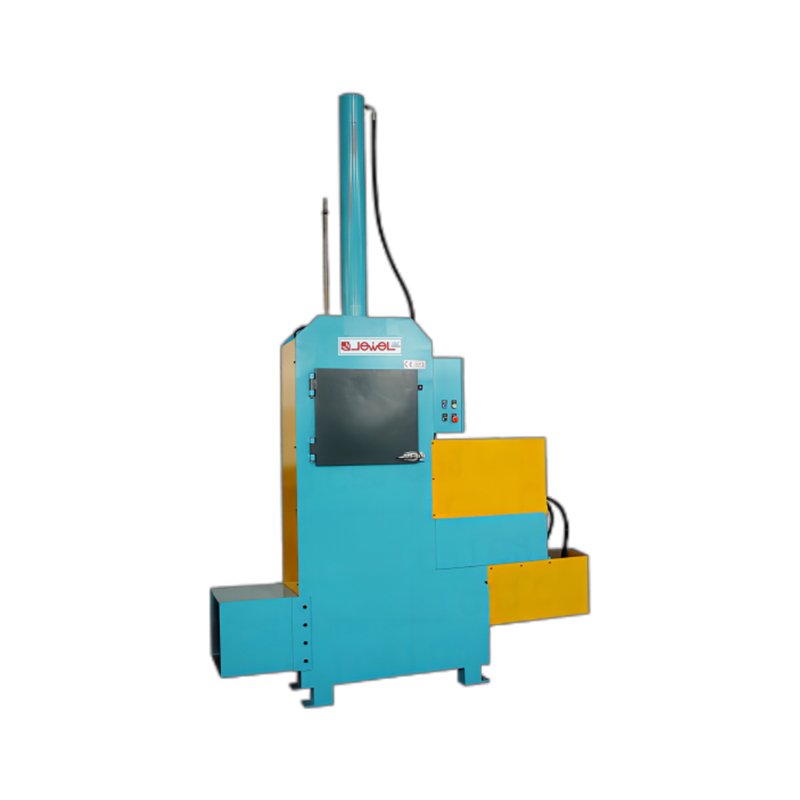
Metal Recycling Equipment Guide How Does a hydraulic metal baler Actually Compress Scrap Metal Into Dense Blocks? A hydraulic metal baler machine converts loos...
READ MORE2026-05-22
Content
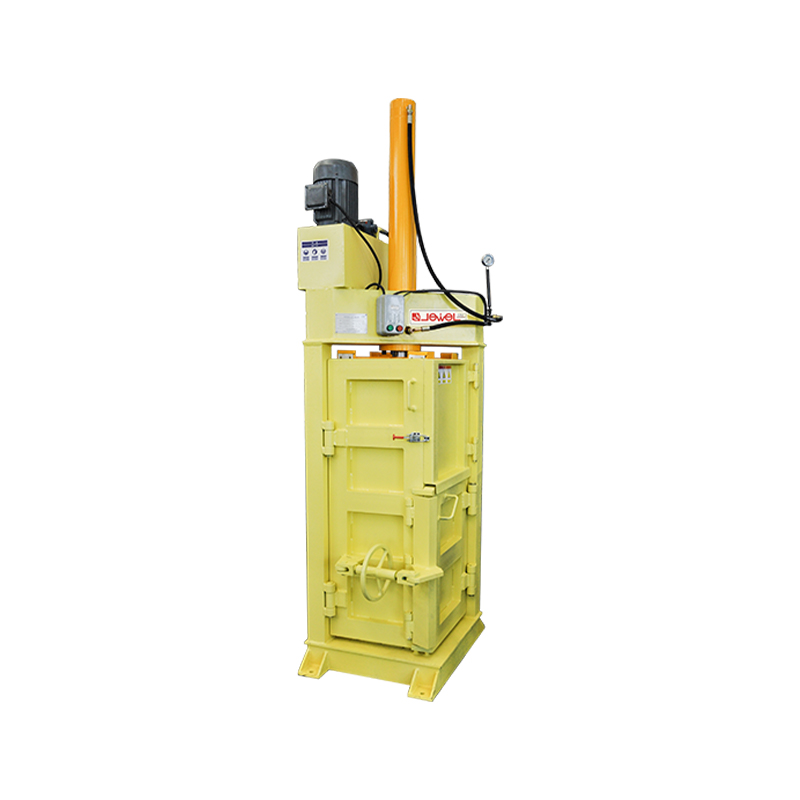
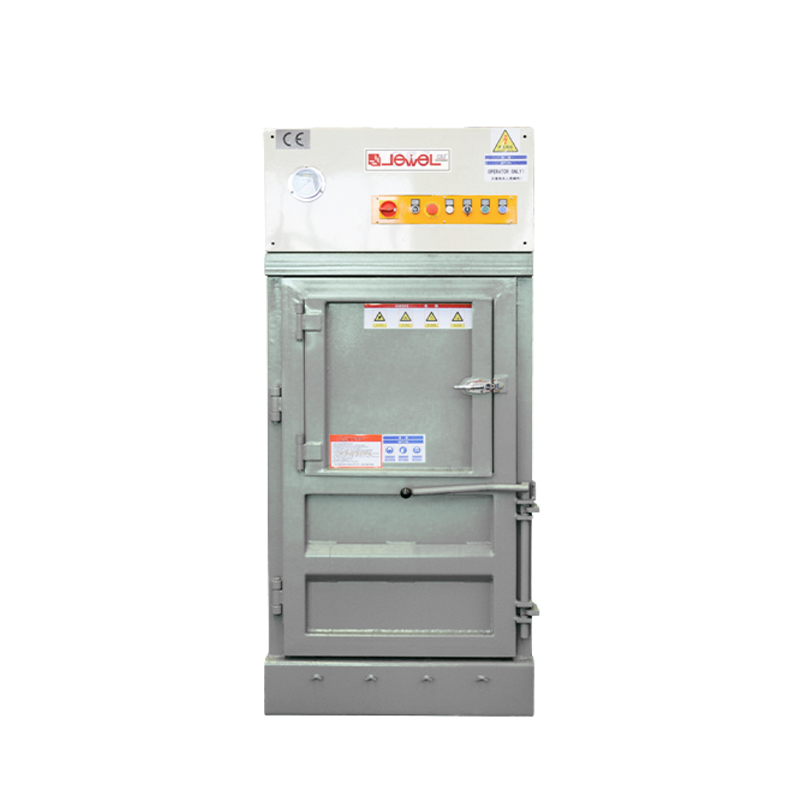
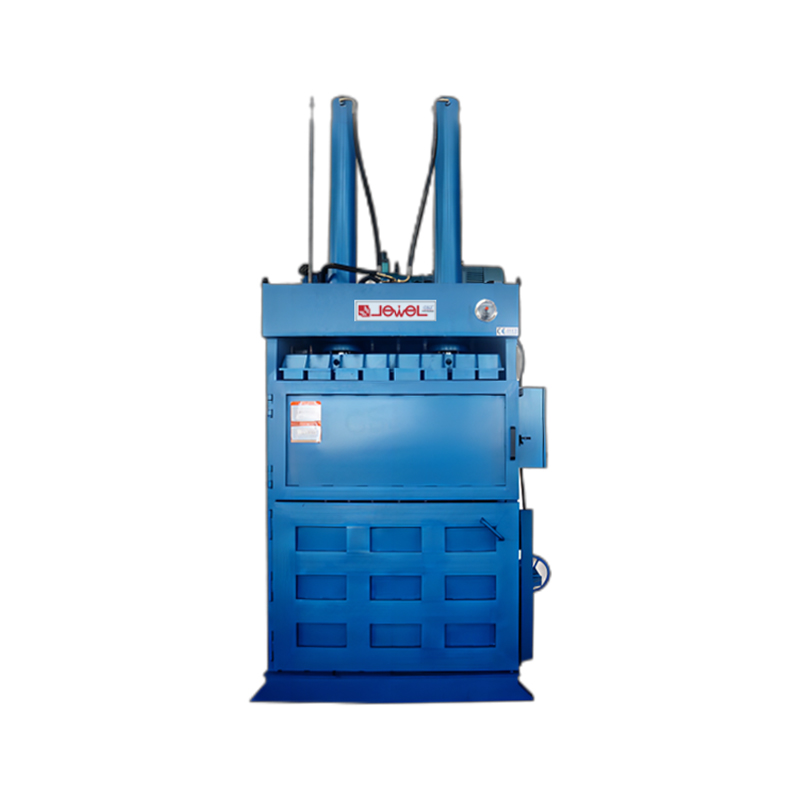
On modern ocean-going vessels, luxury cruise ships, and offshore platforms, solid waste management has always been a severe challenge. Due to the extremely limited internal space on ships, combined with increasingly strict marine environmental protection regulations from the International Maritime Organization (IMO), traditional manual collection and stacking methods not only occupy valuable storage space but also bring potential fire hazards. To efficiently solve this pain point, the Vertical Marine Baler has become an indispensable deck and waste room equipment for the modern shipping industry.
During voyages, ships generate a large amount of recyclable waste and daily garbage, including cardboard boxes, plastic packaging, aluminum cans, and various textiles. The core function of the Vertical Marine Baler is to utilize a high-pressure hydraulic system to compress these loose, bulky waste materials into high-density blocks and securely tie them into uniform bales.
By implementing a Vertical Marine Baler, the volume of waste can typically be reduced to 10% or less of its original size. This directly addresses the challenge of garbage crowding out valuable cargo or supply storage space during long-distance voyages. The compressed high-density bales can be neatly and safely stacked onboard, preventing garbage from scattering due to vessel rolling and pitching, and significantly improving the efficiency of offloading and transfer when the vessel berths at a port.
To accommodate different vessel tonnages and varying volumes of waste generation, the Vertical Marine Baler is designed with different specifications. Below is a comparison of the core technical parameters of two mainstream configurations for technical and procurement teams to evaluate:
| Core Technical Indicators | Light-Duty Vertical Marine Baler (For Small-to-Medium Cargo Ships / Workboats) | Heavy-Duty Vertical Marine Baler (For Large Cruise Ships / Ocean Container Vessels) |
|---|---|---|
| Hydraulic Cylinder Force | 100 kN - 150 kN | 250 kN - 400 kN |
| Motor Power | 1.5 kW - 2.2 kW | 4.0 kW - 5.5 kW |
| Bale Size | 600mm * 500mm * 500mm | 1000mm * 700mm * 800mm |
| Bale Weight | 40 kg - 60 kg (Depending on material) | 150 kg - 250 kg (Depending on material) |
| Cycle Time | 25 seconds - 30 seconds | 35 seconds - 45 seconds |
| Machine Height | 1800mm | 2400mm |
| Protection & Explosion-proof Level | IP56 / Mechanical Safety Interlock | IP65 / Independent Explosion-proof Control Cabinet |
Standard land-based balers cannot be directly used in a maritime environment. A qualified Vertical Marine Baler must meet extremely strict marine standards in structural design and material selection.
The marine environment features high salinity and high humidity. If metal components are not specially treated, they will suffer severe corrosion within a short period. The frame of a premium Vertical Marine Baler is welded from heavy-duty high-strength steel, sandblasted for rust removal, and coated with three layers of epoxy zinc-rich marine-grade paint to ensure outstanding resistance to salt spray corrosion. In key contact areas, such as the compaction chamber floor and the press head, stainless steel is utilized to extend the service life of the equipment.
The ceiling height and corridors of ship engine rooms or utility rooms are often very narrow. The Vertical Marine Baler adopts a vertical, compact structure with a small footprint, allowing it to pass easily through standard vessel doors for installation. The electrical control system must comply with marine codes, typically utilizing low-voltage control circuits and equipped with IP56 or higher waterproof and dustproof control boxes. For specialized vessels like oil tankers, the hydraulic pump stations and electrical systems must also carry corresponding explosion-proof certifications to ensure safe operation in environments containing volatile gases.
In actual maritime operations, crew turnover is frequent, so the usability and safety of the equipment directly impact work efficiency and personal safety.
Mechanical and Electrical Dual Interlock Safety Mechanism: The Vertical Marine Baler is equipped with strict safety interlock switches on both the feeding door and the discharge door. As long as the feeding door is not completely closed, the hydraulic ram cannot operate downward; if the door is forced open during compression, the system will immediately execute an emergency stop, completely eliminating safety risks caused by operator error.
Low-Noise Hydraulic Power Unit: Considering the working and living environment of the crew, the equipment integrates an optimized hydraulic pump set, keeping the running noise below 65 decibels. This is far lower than traditional industrial compression equipment, effectively avoiding noise pollution inside the ship cabins.
Easy Tying and Automatic Bale Ejection System: When the material compression reaches the preset height or pressure, the machine automatically signals that the bale is full. The crew only needs to perform simple manual tying through the front door slots, and then use the mechanical automatic bale tipping device to easily and safely discharge the heavy bale, eliminating the need for heavy manual lifting.
Integrating the Vertical Marine Baler into the daily supply chain and waste management system of a vessel ensures full compliance with strict solid waste disposal regulations when passing through global waters. It optimizes space, simplifies workflows, and significantly reduces the comprehensive operational costs of vessels after port arrival.
Metal Recycling Equipment Guide How Does a hydraulic metal baler Actually Compress Scrap Metal Into Dense Blocks? A hydraulic metal baler machine converts loos...
READ MOREHorizontal Balers for High-Volume Material Compaction: A Technical Overview Manufacturing plants, distribution centers, and recycling facilities that generate ...
READ MOREINDUSTRY GUIDE Waste Compression and Material Handling What Is a Horizontal Baler and Which Type Fits Your Material? Horizontal balers compress large volumes...
READ MOREManufacturing Insight Engineering Standards Behind Every Waste Crusher We Build Every waste crusher leaving our production floor is the result of a defined en...
READ MOREWhat Is a Vertical Plastic Baler and How Does It Work? If your facility is dealing with growing piles of plastic waste — bottles, film, containers, packaging — ...
READ MOREA properly engineered baler machine does more than compress waste — it changes how a facility manages space, labor, and outbound logistics. Whether the applic...
READ MORE
Waste Types
Categories
 Custom Baling Press Machine Manufacturers