
 English
 中文简体
中文简体 русский
 日本語
日本語 Français
 Español
 عربى
عربىen
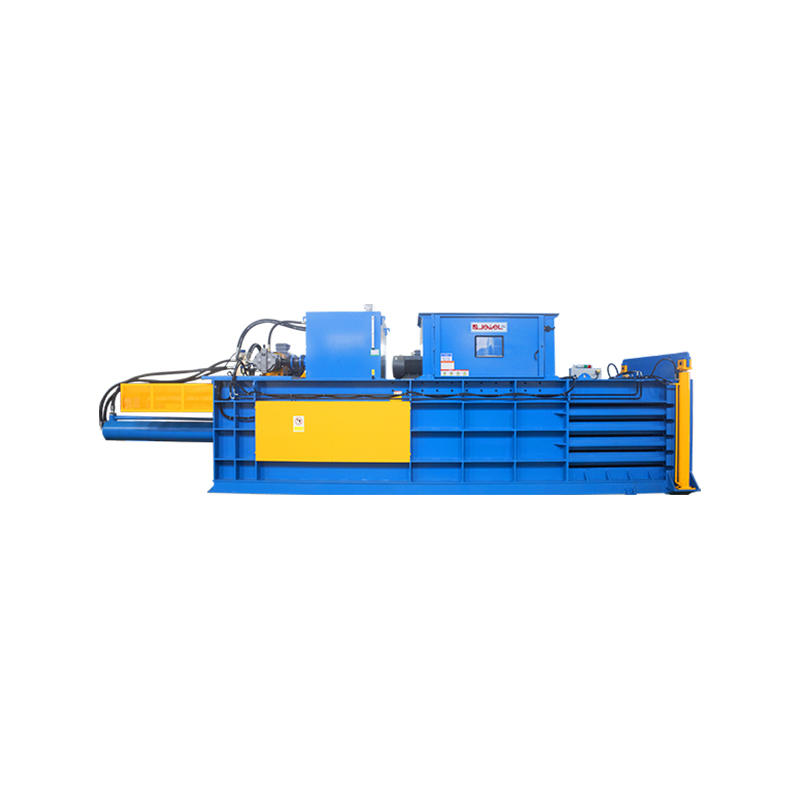
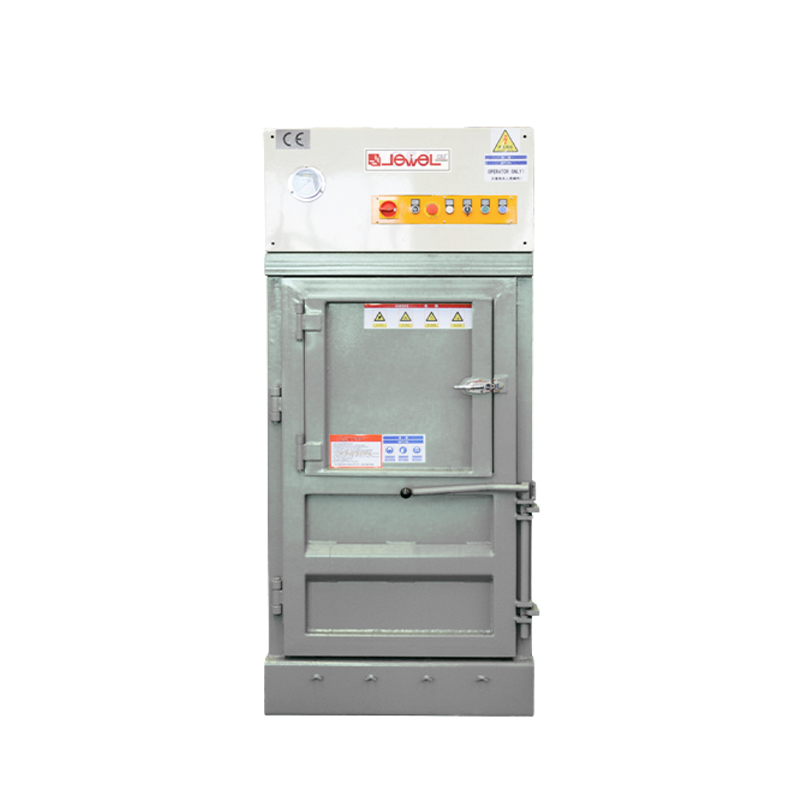
A properly engineered baler machine does more than compress waste — it changes how a facility manages space, labor, and outbound logistics. Whether the applic...
READ MORE2026-08-28
Content
Manufacturing Insight
Every waste crusher leaving our production floor is the result of a defined engineering process rather than a generic assembly line output. Material selection, rotor balancing, blade geometry and drive configuration are treated as separate engineering decisions, each one tuned to the waste stream the machine is built to handle. A crusher intended for scrap tires behaves nothing like one built for green waste or e-waste dismantling, and our production process reflects that from the raw steel stage onward. Understanding what happens inside the factory before a crusher ever reaches an operating site helps buyers evaluate machines on substance rather than appearance.
Waste crusher performance is often judged by throughput figures alone, but throughput is only meaningful when paired with wear life, energy draw, and consistency of output particle size over thousands of operating hours. This section walks through the engineering, customization and quality control decisions that separate a durable industrial crusher from a short-lived one, along with practical specification data buyers can use directly when comparing crushers for their own waste stream.
The blades, hammers and liner plates inside a crusher chamber absorb the majority of mechanical stress during operation, and the metallurgy behind these parts determines how long a machine runs between maintenance cycles. Standard carbon steel components wear quickly against abrasive waste such as concrete fines or metal-contaminated plastics, while alloy steel and manganese steel formulations resist deformation and edge rounding far longer under repeated impact loading.
Hardness alone does not tell the full story. A blade that is extremely hard but low in toughness can chip or crack under shock loading from tramp metal, while a softer blade wears down evenly but requires more frequent replacement. Matching hardness to the specific abrasiveness and impact profile of a waste stream is a core part of specifying a crusher correctly, and it is one of the most overlooked factors when buyers compare machines purely on price.
| Blade / Hammer Material | Hardness (HRC) | Impact Toughness | Typical Wear Life | Recommended Waste Type |
|---|---|---|---|---|
| Carbon Steel (45#) | 28-32 | Moderate | Short | Soft plastics, cardboard, textiles |
| Alloy Steel (Cr5 series) | 52-56 | High | Medium-Long | Wood, rubber, mixed municipal waste |
| Manganese Steel (Mn13) | 45-50 (work-hardens to 55+) | Very High | Long | Construction debris, metal-contaminated waste |
| Tungsten Carbide Tipped | 62-68 | Low-Moderate | Very Long (abrasion only) | Tires, glass-filled composites |
Manganese steel deserves particular attention because of its work-hardening property: the surface layer becomes progressively harder as it is struck, which means a properly specified manganese steel component actually improves its wear resistance during early operation before settling into a stable wear curve. This behavior makes it the standard choice for construction and demolition waste crushers, where unpredictable impact loads from rebar and aggregate are common.
The drive system of a waste crusher determines how the machine responds when it encounters dense or jammed material, which in practice matters more to daily operation than peak horsepower figures. Three drive configurations dominate industrial crusher design, each with a distinct torque delivery profile.
Motor power transfers through a reduction gearbox directly to the rotor shaft. This configuration delivers strong, consistent torque at a fixed speed and is mechanically simple, making it cost-effective to maintain. It performs best on waste streams with predictable density and low risk of jamming.
A hydraulic pump and motor assembly allows the rotor speed and torque to adjust automatically when resistance increases, and most systems support automatic reverse when a blockage is detected. This configuration handles unpredictable, mixed waste streams with far less risk of motor overload or blade damage.
Used on larger two-shaft crushers, each rotor is powered independently, which allows the shafts to rotate at slightly different speeds. This reduces the chance of both shafts jamming simultaneously and improves shearing action on long, stringy materials such as cabling or textile waste.
Selecting between these systems depends heavily on how consistent the incoming waste stream is. Sorted, pre-shredded material tolerates a fixed-speed mechanical drive well, while mixed or contaminated waste streams benefit from the adaptive torque response of a hydraulic system, even though the upfront cost and hydraulic fluid maintenance requirements are higher.
Approximate processing capacity across a typical single-shaft crusher line, assuming moderate-density mixed waste at consistent feed rate.
Two adjustable elements largely define the final output particle size of a waste crusher: the screen mesh installed at the base of the chamber and the clearance between rotating and stationary blades. Both are selected during machine configuration rather than fixed at the factory, which is why specification sheets typically list a range rather than a single output size.
Wider mesh openings increase throughput because material exits the chamber faster, but they reduce output uniformity. Narrower mesh openings improve particle consistency at the cost of processing speed and increased wear on the screen itself, since more re-circulation occurs before material is small enough to pass through.
| Chamber Size Class | Screen Mesh Range | Typical Output Size | Best Suited For |
|---|---|---|---|
| Compact (600-900mm) | 10-40mm | Fine, uniform granules | Plastic film, e-waste circuit boards |
| Standard (1000-1500mm) | 20-80mm | Medium granules | Rubber, wood pallets, mixed packaging |
| Heavy-Duty (1600-2200mm) | 50-150mm | Coarse fragments | Furniture, bulky municipal waste |
| Extra-Large (2400mm+) | No screen / open discharge | Pre-shred sizing only | Construction debris, whole tires, root stumps |
No single waste crusher configuration handles every waste category efficiently, which is why factory specification begins with the waste stream itself rather than a fixed machine model. The following configurations reflect common setups requested across different waste processing operations.
Two-stage processing using a low-speed high-torque shredder for initial sizing, followed by a secondary granulator with tungsten carbide tips to manage steel belt abrasion. Magnetic separation is typically integrated at the discharge point.
Compact chamber crushers with fine screen mesh and lower rotor speed reduce dust generation from circuit boards, while dual-shaft shearing action separates plastic housings from internal metal components for downstream sorting.
Hammer-style rotors with wide chamber openings handle branches, pallets and root material efficiently. Screen mesh is usually set coarser since wood chips are typically used for mulching or biomass fuel rather than fine processing.
High-speed single-shaft crushers with sharp shear blades produce uniform flake sizing suitable for washing lines and pelletizing, with mesh sizes commonly set between 10mm and 30mm depending on the resin type.
Heavy-duty jaw or hammer crushers with manganese steel liners handle concrete, brick and mixed masonry, typically operating without a fine screen since output is directed to aggregate crushing or backfill rather than fine granulation.
Slow-speed, high-torque dual-shaft shredders manage highly mixed and contaminated waste streams, prioritizing jam resistance and hydraulic overload protection over fine output consistency.
Operating cost over the lifespan of a waste crusher is dominated by energy consumption more than any other factor, including maintenance. Shear-based crushers generally consume less energy per ton than impact-based crushers because they rely on controlled cutting force rather than repeated high-speed impact to reduce particle size.
Estimated kWh consumed per ton of processed mixed waste under normal operating load.
Hammer impact crushers show the highest energy draw per ton in this comparison, but they remain the preferred option for brittle, high-hardness material such as concrete, where shear-based cutting is mechanically ineffective. Choosing the lowest-energy option only makes sense when the waste stream is actually suited to shear-based processing; matching the mechanism to the material always outweighs energy figures alone.
Consistency between individual units of the same crusher model depends on how tightly the manufacturing process controls tolerances, material certification and testing before shipment. A production line built around documented checkpoints produces far more predictable field performance than one relying on final inspection alone.
Incoming steel plate and casting materials are verified against chemical composition and hardness certificates before being released to production, preventing substandard alloy from entering blade or rotor manufacturing.
Assembled rotors undergo dynamic balancing to eliminate vibration at operating speed, which reduces bearing wear and prevents premature fatigue cracking in the shaft over long-term operation.
Each unit runs under simulated load conditions before shipment to confirm motor current draw, torque response and temperature rise remain within design tolerances under sustained operation.
Sound and vibration levels are measured against baseline references for the model, flagging bearing or coupling issues that would otherwise only surface after installation.
Fasteners, guarding, electrical wiring and safety interlocks are checked against a documented inspection sheet before the unit is cleared for packing and shipment.
Industrial waste crushers operate at high torque and often process contaminated or unpredictable material, which makes built-in safety design as important as raw processing capability. The following features are standard across our crusher range rather than optional add-ons.
The operating cost of a waste crusher is shaped as much by parts availability as by the initial machine price. Blades, hammers, screens and bearings are wear items by design, and machines built around standardized, interchangeable components allow these parts to be replaced quickly without custom fabrication delays.
Maintaining an in-house parts inventory alongside the production line, rather than manufacturing wear components only on request, keeps replacement lead times short and reduces unplanned downtime for operations running continuous shifts. Technical drawings and torque specifications for reassembly are provided with every machine so that routine blade rotation, screen replacement and bearing service can be carried out without specialized external support.
Blade life depends heavily on material hardness and the abrasiveness of the waste stream, but manganese steel and alloy steel blades processing standard mixed waste commonly run several hundred to over a thousand operating hours before requiring sharpening or replacement.
A single crusher can handle a reasonable range of material density and hardness, particularly hydraulic-drive dual-shaft models, but consistently switching between very different waste types such as tires and e-waste circuit boards typically requires different blade and screen configurations for acceptable wear life and output quality.
The most common causes are rotor imbalance, contamination from dust or moisture entering the bearing housing, and insufficient lubrication intervals. Dynamic balancing during manufacturing and sealed bearing housings significantly reduce this risk.
For consistent, sorted waste streams a mechanical drive is usually sufficient and more cost-effective. For mixed, contaminated or unpredictable waste, the jam resistance and adaptive torque of a hydraulic drive typically reduces downtime enough to offset the higher upfront and maintenance cost.
Output size is primarily controlled by swapping the screen mesh at the base of the chamber and adjusting blade clearance. Most machines are designed so this adjustment can be made during routine maintenance without disassembling the full rotor assembly.
Specifying a waste crusher correctly starts with an honest assessment of the waste stream: its density variation, contamination level, moisture content and the required output particle size for downstream processing. Machines configured around these factors, rather than selected purely on horsepower or price, consistently deliver longer wear life, lower energy cost per ton and fewer unplanned stoppages over years of operation. Buyers evaluating crushers benefit from requesting the specific blade material, drive type, screen range and load test data for the exact model under consideration rather than relying on general category descriptions alone.
Recommended products
A properly engineered baler machine does more than compress waste — it changes how a facility manages space, labor, and outbound logistics. Whether the applic...
READ MOREINDUSTRY GUIDE Waste Compression and Material Handling What Is a Horizontal Baler and Which Type Fits Your Material? Horizontal balers compress large volumes...
READ MOREOn modern ocean-going vessels, luxury cruise ships, and offshore platforms, solid waste management has always been a severe challenge. Due to the extremely limi...
READ MOREMetal Recycling Equipment Guide How Does a hydraulic metal baler Actually Compress Scrap Metal Into Dense Blocks? A hydraulic metal baler machine converts loos...
READ MOREWhat Is a Baler for Cardboard? A packaging plant generating two tons of corrugated offcuts per day faces a familiar problem: loose cardboard fills a forty-yar...
READ MOREIn the modern industrial waste management and renewable resource circulation system, the efficient disposal of waste plastics has become a core link for enterpr...
READ MORE
Waste Types
Categories
 Custom Baling Press Machine Manufacturers