English
 中文简体
中文简体 русский
 日本語
日本語 Français
 Español
 عربى
عربىWhat Is a Baler for Cardboard?
A packaging plant generating two tons of corrugated offcuts per day faces a familiar problem: loose cardboard fills a forty-yard container in less than two days, waste hauling invoices climb every month, and the recycling contractor keeps asking for denser, cleaner material. A baler for cardboard solves all three issues at once by compressing loose boxes, sheets, and trim waste into compact, stackable bales that are far easier to store, transport, and sell.
In direct terms, a cardboard baler is a hydraulic press that uses a steel platen driven by one or more cylinders to apply high pressure inside a steel chamber. The cardboard is squeezed until it forms a dense rectangular block, then tied with wire or strapping and ejected from the machine. Most balers reduce the volume of loose cardboard by 70 to 90 percent, which means one truckload of bales can carry the same fibre that would previously have required five to eight loose loads.
This volume reduction matters because the economics of cardboard recycling are driven by density. Recycling mills and paper processors pay per tonne, not per cubic metre, and they prefer dense bales because they cut freight costs and feed better into their pulping systems. A facility that bales its cardboard typically converts a recurring waste disposal cost into a revenue stream, or at minimum reduces the frequency and size of waste collection pickups.
The machines themselves come in two primary families: vertical balers, which use a vertical compression stroke and suit lower volumes; and horizontal balers, which compress along a horizontal axis and handle higher throughput with automation. Within these families there are manual-tie, semi-automatic, and fully automatic configurations, each serving a different combination of volume, labour availability, floor space, and budget.
This guide covers the working principle, the major machine types, the selection criteria that matter in practice, the costs and savings involved, and the operational habits that keep a baler running reliably for years. It is written for plant managers, operations supervisors, and owners who are evaluating whether to install their first baler or upgrade an existing one.
How a Cardboard Baler Works
Every cardboard baler operates on the same fundamental principle: a hydraulic pump pushes oil into a cylinder, the cylinder extends a piston, and the piston moves a platen that compresses the cardboard inside a fixed chamber. The force generated is the product of the hydraulic pressure and the piston area, which is why even relatively small balers can generate twenty to sixty tons of pressing force, while large horizontal machines reach one hundred tons or more.
The compression cycle follows a predictable sequence, regardless of whether the machine is a compact vertical unit or a high-throughput horizontal system.
- The operator opens the feed door or hopper and loads loose cardboard into the baling chamber. On fully automatic machines, a conveyor or an auto-feed hopper delivers the material continuously.
- The door is closed and the hydraulic system is activated, either by a manual lever, a two-hand button set, or an automatic cycle initiated by the control panel.
- The platen descends or advances and compresses the cardboard under high pressure. The material is held under pressure for a few seconds so the bale keeps its shape and trapped air is expelled.
- Once the platen reaches its preset position or pressure, the operator ties the bale manually with wire, or the machine performs automatic tying on open-end horizontal balers.
- The platen retracts, and the completed bale is ejected from the chamber onto a pallet, a bale cart, or directly onto the floor for pickup.
Hydraulic pressure is the heart of the system. A standard industrial baler uses an electric motor driving a gear pump or piston pump that delivers oil at pressures typically between 1,500 and 2,500 psi. The control valve directs oil into the cylinder to extend or retract the ram, and a relief valve protects the system from overpressure. The quality and cleanliness of the hydraulic oil, along with proper filtration, determine how reliably the machine operates over its lifetime.
Cardboard bale density is influenced by three factors: the pressing force of the machine, the bale chamber geometry, and the moisture content and condition of the cardboard. Clean, dry corrugated cardboard compresses more effectively than wet or heavily taped material, and higher pressing force produces denser bales. A typical vertical baler with forty to sixty tons of force produces bales in the range of 250 to 450 kg per cubic metre, while a large horizontal baler can achieve densities of 450 to 600 kg per cubic metre.
The tying step deserves special attention because it directly affects bale handling and mill acceptance. Manual-tie machines require the operator to thread steel wire through slots in the chamber and twist it tight before the bale is ejected. Semi-automatic and fully automatic horizontal balers use an auto-tie mechanism that wraps one to five straps or wires around the bale before ejection. Bales with consistent dimensions and secure ties are easier to stack, safer to lift, and more acceptable to recycling mills.
Main Types of Cardboard Balers
Choosing between a vertical and a horizontal baler is the most important structural decision a buyer makes. Both machines produce quality bales; the difference lies in throughput, automation, floor space, and the operating model that fits your facility.
Vertical Cardboard Balers
A vertical baler loads from the front, and the platen presses downward from the top of the chamber. These machines are compact, require a relatively small footprint, and are the most economical way to start baling cardboard. The operator loads cardboard through a front door, activates the cycle, manually inserts wires through the bale chamber, and ties the bale while it is under pressure.
Vertical balers are available in a wide range of sizes, from small single-phase units suitable for offices and small retail stores to heavy-duty double-cylinder machines that produce bales of 300 to 600 kg. They generate pressing forces from twenty tons on the smallest machines up to more than a hundred tons on industrial models. Because they are manually loaded and manually tied, vertical balers need one operator and are best suited to facilities producing from a few hundred kilograms to about two or three tonnes of cardboard per day.
The main advantages of a vertical baler are its low purchase price, simple operation, small footprint, and low maintenance requirements. The main limitation is labour: each bale cycle requires a person to load the machine, close the door, start the cycle, thread the wires, and remove the finished bale. For a facility producing ten to twenty bales per day, this labour is manageable. For a distribution center producing fifty bales per day, an automatic horizontal baler becomes the better investment.
Horizontal Cardboard Balers
A horizontal baler feeds cardboard from the top or via a conveyor, and the platen advances horizontally to compress the material against a fixed end wall. These machines occupy more floor space than vertical balers but offer significantly higher throughput, and most can operate with minimal operator involvement.
Closed-end horizontal balers compress cardboard against a fixed rear wall, and the finished bale must be tied manually before the front door is opened for removal. They are simple, inexpensive for the throughput they provide, and a common choice for facilities producing three to eight tonnes per day. Open-end horizontal balers, also called continuous extrusion balers, compress cardboard into a long extrusion channel that is closed at one end. As each charge of material is compressed, it pushes the previous bale forward, and when a bale reaches the target length, the auto-tie mechanism wraps wire or strapping around it before it exits the machine. Open-end balers are available in semi-automatic versions and fully automatic versions with conveyor feed, PLC controls, and automatic tying.
Fully automatic horizontal balers can process eight to twenty tonnes of cardboard per day with one operator primarily supervising the system, checking bale quality, and managing the finished bales. These machines are the standard choice for recycling depots, large distribution warehouses, corrugated box plants, and material recovery facilities.
Comparison of Main Baler Types
The table below summarizes the practical differences between the main cardboard baler configurations. Use it as a first filter before discussing specific models with a supplier.
| Criteria | Vertical baler | Semi-auto horizontal baler | Full-auto horizontal baler |
|---|---|---|---|
| Typical pressing force | 20 to 100 tons | 40 to 100 tons | 80 to 160 tons |
| Typical bale weight | 50 to 600 kg | 300 to 800 kg | 500 to 1,200 kg |
| Daily throughput | 0.3 to 3 tonnes | 3 to 8 tonnes | 8 to 20+ tonnes |
| Tying method | Manual wire tie | Manual or semi-auto | Automatic wire/strap |
| Operators needed | 1 dedicated | 1 to 2 for loading | 1 for supervision |
| Floor space | Small | Medium | Large |
| Typical investment | Lowest | Medium | Highest |
Bale density is another differentiating factor. A larger horizontal baler with higher pressing force and a longer stroke produces denser, heavier bales, which are more attractive to paper mills and recycling brokers. However, density is not the only measure of bale quality. There are practical trade-offs when density rises above certain levels, including the need for heavier tying wire, more difficult handling, and higher strain on the machine structure. Operators who want to understand these limits in more depth can review the engineering discussion on bale density trade-offs before specifying a machine.
How to Choose the Right Cardboard Baler
The single most common mistake in baler selection is choosing a machine based on the waste volume the facility produces today, without accounting for seasonal peaks, expected business growth, and the additional cardboard that will arrive after the baler changes the collection habits of the staff. Choose a baler with roughly 30 percent more capacity than your average daily volume, and you will avoid the frustration of running the machine for longer hours than planned.
Step 1: Estimate Your Cardboard Volume
Start with a simple calculation. Count how many bales or full waste containers you produce in a typical week. A standard forty-yard dumpster holds roughly 12 to 15 cubic metres of loose cardboard, or approximately 1.2 to 2.5 tonnes depending on how densely it is packed. If your facility fills three such containers per week, you are generating roughly 5 to 7 tonnes of cardboard per week, which equates to about 1 tonne per day or 20 to 25 tonnes per month. This level of throughput points clearly to a horizontal baler.
For smaller generators, most retail stores, packing stations, and light manufacturing plants produce between 200 kg and 1 tonne per day. A vertical baler with an appropriate pressing force and chamber size will typically handle this range with one operator working in short bursts throughout the shift.
Step 2: Assess Floor Space, Height, and Installation Conditions
Vertical balers stand between 2 and 3.5 metres tall and require a floor area of roughly 2 by 3 metres including the operator working zone. Horizontal balers are longer, typically ranging from 4 to 12 metres in length, and require additional space for the feed hopper, the finished bale discharge area, and material handling equipment such as a forklift. The machine should be positioned so incoming cardboard can flow into the hopper without crossing pedestrian walkways or blocking fire exits.
Floor strength is often overlooked. A baler with a 100-ton pressing force plus the weight of the machine itself can impose point loads of several tons on the floor. Concrete slabs of 150 mm or more are usually sufficient, but older buildings with thin slabs should be evaluated before installation. The machine also needs a three-phase electrical supply in most cases, and some larger horizontal balers require a dedicated transformer or higher amperage service. Check the motor power and total connected load with an electrician before committing to the machine.
Step 3: Decide Between Manual and Automatic Operation
Labour availability is often the deciding factor between a manual-tie vertical baler and an automatic horizontal baler. If your facility has staff who can spend a few minutes per bale, and total volume is under two tonnes per day, a vertical baler is an efficient and cost-effective tool. If your operation runs around the clock or your labour is already stretched, an automatic horizontal baler eliminates the repetitive tying step and lets one operator supervise the entire process from a control panel.
Automatic machines also reduce the physical strain on workers. Manual tying requires bending, reaching into the chamber, and twisting wire; over an eight-hour shift this is tiring work. Many operations that start with a manual baler upgrade to an automatic model when they find that labour turnover and injury risk are higher than expected.
Step 4: Set a Budget That Includes Installation and Accessories
A typical mistake is comparing only the purchase price of balers while ignoring the total installed cost. A baler installation can involve concrete anchoring, electrical wiring, a baler pit or ramp for horizontal models, a safety cage or railing, and a small amount of site preparation. These costs are frequently 15 to 30 percent of the machine price. Add to this the cost of tying wire or strapping, hydraulic oil for the first fill, and lifting equipment for bale handling, and you have a realistic picture of the capital requirement.
The following scenario cards describe the three most common operational profiles and the baler families that fit them best.
Small Facility Profile
A retail store, a small packaging workshop, or a back-office operation producing 300 to 600 kg of cardboard per day.
- Best fit: vertical baler with 30 to 60 tons pressing force
- Expected bale weight: 120 to 350 kg
- Bales per day: 2 to 5
- Labour: one operator, 15 minutes per bale
Medium Facility Profile
A distribution warehouse, a mid-sized box plant, or a manufacturing line producing 2 to 6 tonnes of cardboard per day.
- Best fit: semi-automatic horizontal baler with conveyor
- Expected bale weight: 400 to 700 kg
- Bales per day: 5 to 12
- Labour: one operator plus forklift driver
High-Volume Facility Profile
A recycling depot, a large e-commerce fulfillment center, or a corrugator producing 8 to 20 tonnes per day.
- Best fit: fully automatic horizontal baler with auto-tie
- Expected bale weight: 600 to 1,200 kg
- Bales per day: 12 to 25
- Labour: one supervisor, forklift for bale removal
Step 5: Confirm Bale Specifications with Your Buyer
Before you choose a bale chamber size, talk to the mill or recycling broker that will purchase your bales. Every buyer has a preferred bale weight range and dimensional limit based on their pulper capacity and transport equipment. A bale that weighs 800 kg might be ideal for one mill but too heavy for another that only accepts 500 kg bales. The bale chamber of the baler dictates these parameters, so the machine specification should be driven by your buyer's requirements, not by the largest available machine.
The Business Case for Baling Cardboard
The economic return from a cardboard baler comes from four distinct sources: reduced waste hauling costs, revenue from selling bales, recovered floor space, and lower labour costs in waste handling. The first two are the easiest to quantify and usually justify the investment on their own.
The chart below illustrates a typical comparison for a medium-sized facility producing about four tonnes of cardboard per week. The figures assume a local hauling rate of $140 per pickup, a recycling price of $90 per tonne for baled OCC, and a baler that reduces collection frequency from three containers per week to one.
The combined monthly cost includes hauling and lost recycling revenue. Figures are illustrative and vary by region and market conditions, but the direction of change is consistent across most operations.
In this example, the facility without a baler pays for roughly twelve container pickups per month at $140 each, plus forgoing the recycling revenue that the cardboard would have generated. With a vertical baler, the same cardboard is compressed into seven or eight bales per week, which can be stored indoors and collected on a scheduled basis. The hauling cost falls by more than half, and the baled cardboard can be sold rather than thrown away. With a horizontal baler, bales are heavier and fewer in number, which further reduces freight cost per tonne and improves the selling price because the bales meet mill density requirements.
The space recovery benefit is less obvious but equally real. Loose cardboard in dumpsters sits at a density of roughly 80 to 150 kg per cubic metre. Baled cardboard at 400 kg per cubic metre occupies one quarter to one third of the space. A facility that baled its cardboard can shrink its waste storage area, repurpose a loading bay, or eliminate an outside dumpster entirely, which is particularly valuable for urban sites with expensive floor space.
Baling also improves workplace safety. Loose cardboard piles create trip hazards, hide sharp objects, and can block emergency exits. Compacting them into neat bales reduces clutter and makes the facility notably easier to keep clean and compliant with local fire and safety regulations. Forklift drivers spend less time handling awkward loose loads, and the risk of cardboard falling from pallet loads is significantly reduced.
Payback periods vary with volume and regional costs. A small vertical baler with an installed cost of $8,000 to $15,000 can pay for itself in fourteen to twenty-four months at a facility producing one tonne of cardboard per day. A fully automatic horizontal baler, with an installed cost that can exceed $100,000, typically pays back in two to four years at a facility producing ten or more tonnes per day. These figures are rough guides; a proper calculation requires local hauling rates, recycling prices, interest rates, and projected volume growth.
Matching a Baler to Your Operation
Choosing the right machine family is easier when you can see the specific features that matter for your volume and workflow. The following three machine types cover the most common cardboard baling requirements seen across manufacturing, logistics, and recycling facilities.
Medium-Volume Vertical Baling
For a facility producing one to three tonnes of cardboard per day, a vertical baler with two cylinders offers the right balance of pressing force, bale size, and operating simplicity. The double-cylinder hydraulic medium vertical baler is engineered for consistent compression of corrugated cardboard and paper waste, producing dense bales that are heavy enough to interest recyclers but still manageable with a standard forklift. Its dual-cylinder design distributes force evenly across the platen, which reduces the risk of uneven bales and keeps chamber walls in proper alignment over many years of service.
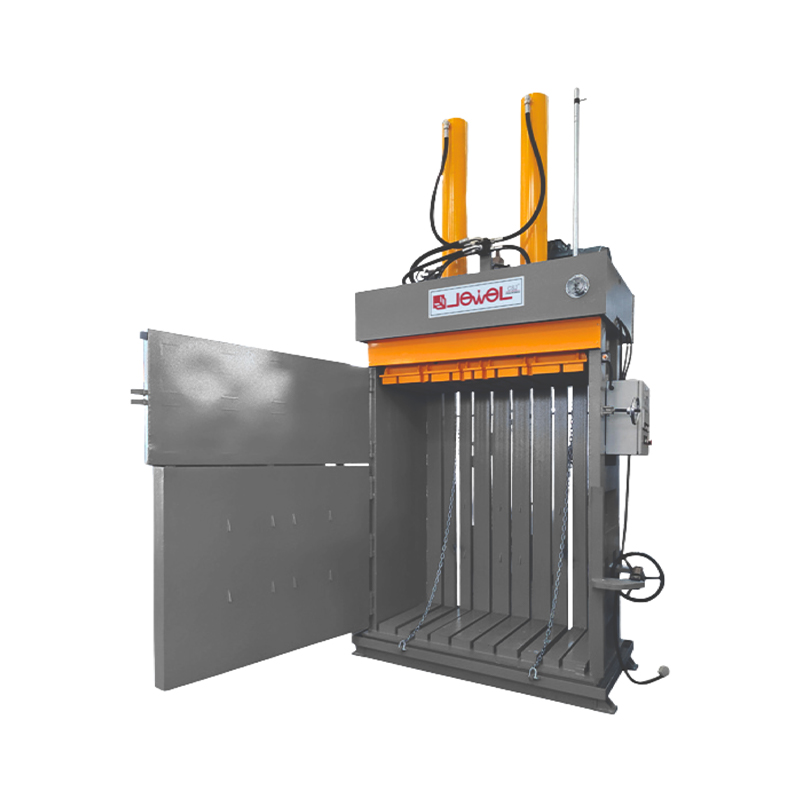 OEM/ODM Double Cylinder Hydraulic Medium Vertical Compression Baler Factory, ManShanghai Jewel Tech Co.,Ltd is China OEM/ODM Double Cylinder Hydraulic Medium Vertical Compression Baler manufacturers and factory,The do...View Product →
Semi-Automatic Horizontal Baling
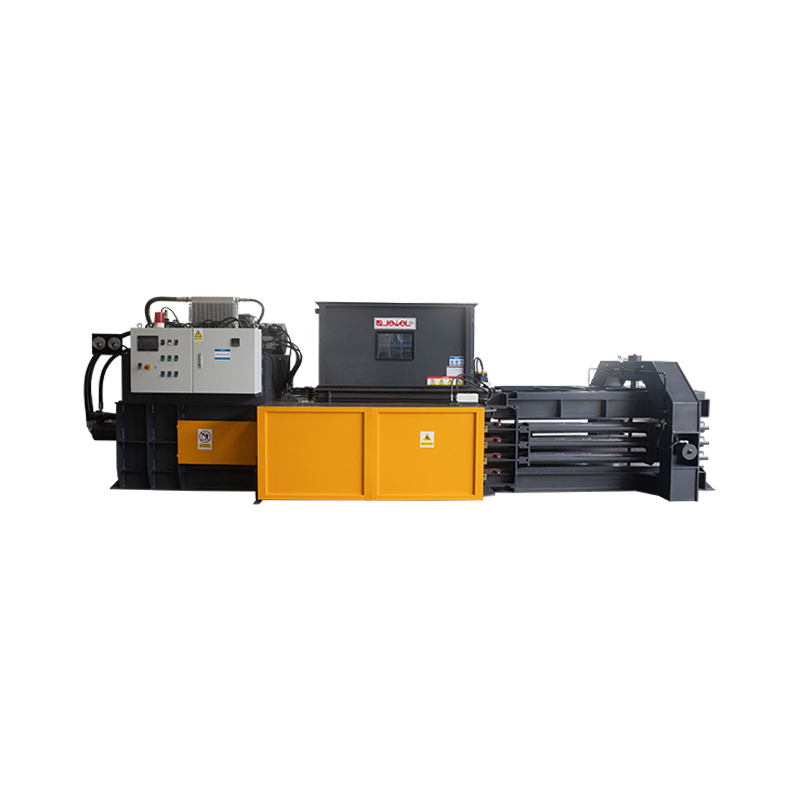
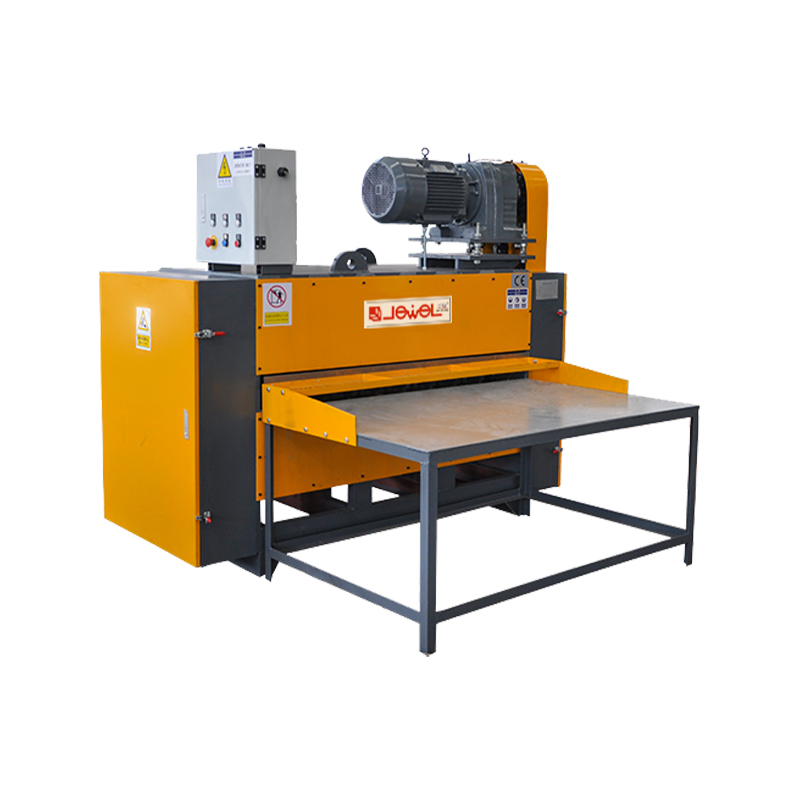
When daily volume reaches three to eight tonnes, a semi-automatic horizontal baler gives operators the throughput of a horizontal machine without the higher price tag of a fully automatic system. The semi-automatic horizontal hydraulic baler is a workhorse for distribution centers, box plants, and printers that generate a steady flow of cardboard and paper offcuts. It accepts material through a generous feed hopper, produces consistently sized bales, and can be paired with a conveyor or a shredding unit to process mixed material more efficiently.
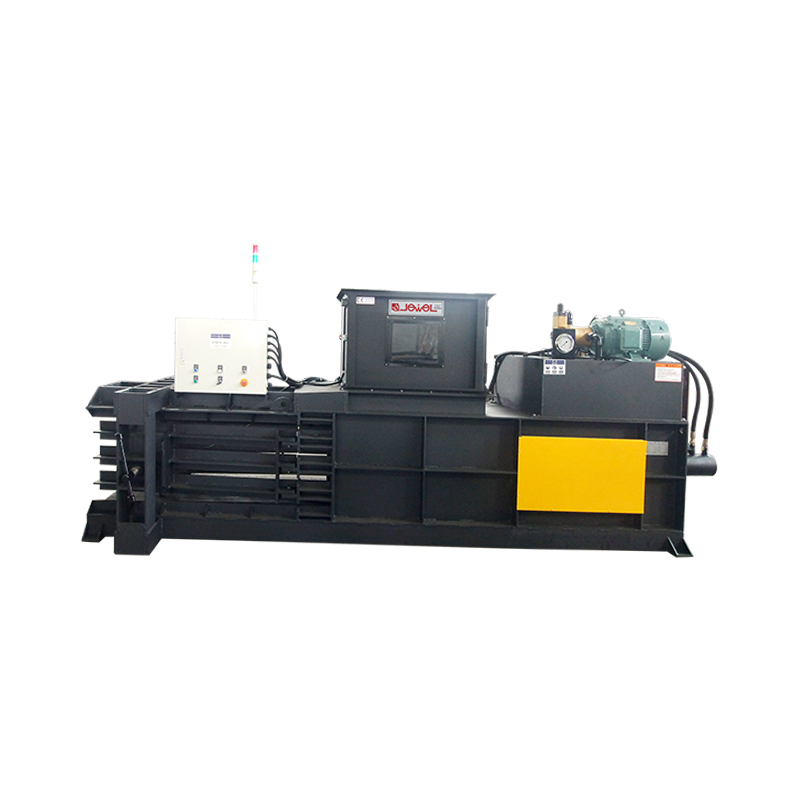 OEM/ODM Horizontal Semi-Automatic Hydraulic Baler Factory, Manufacturers - ShangShanghai Jewel Tech Co.,Ltd is China OEM/ODM Horizontal Semi-Automatic Hydraulic Baler manufacturers and factory,Widely used for packagin...View Product →
Fully Automatic High-Throughput Baling
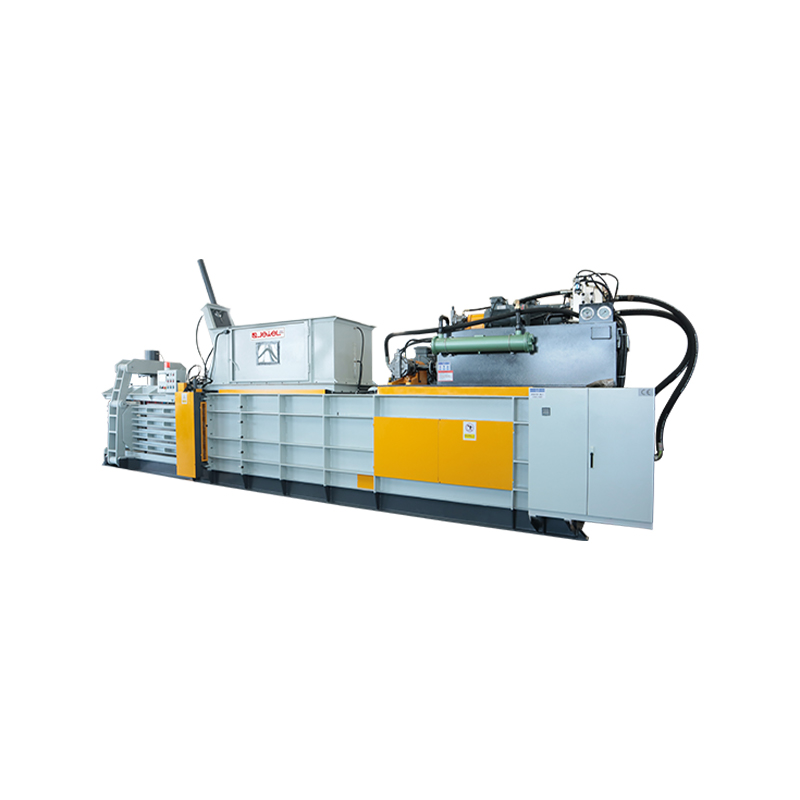
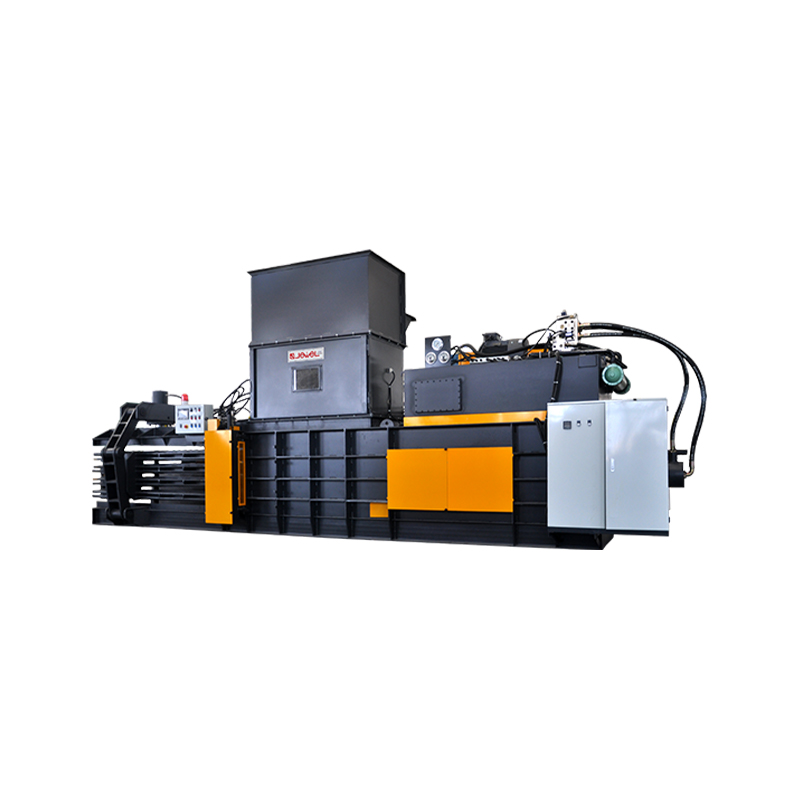
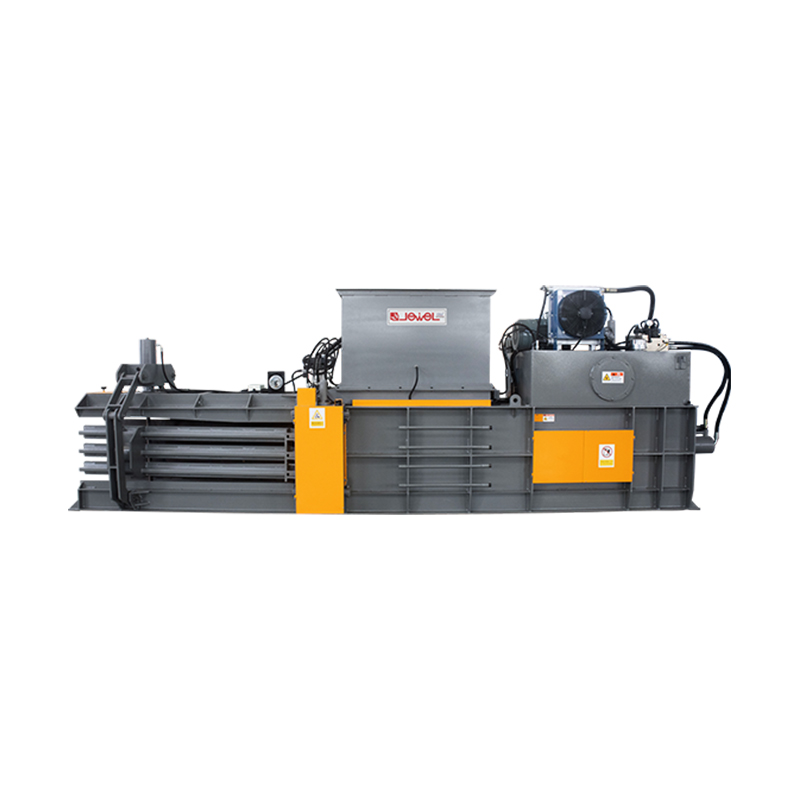
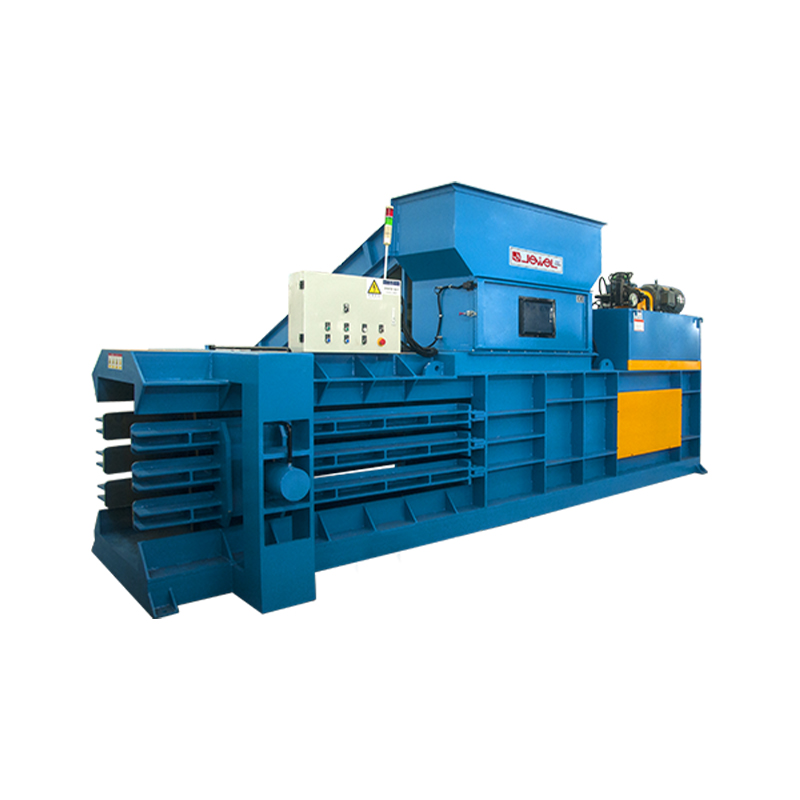
For a recycling depot or a large e-commerce fulfillment center producing over eight tonnes per day, a fully automatic horizontal baler becomes the economical choice because it replaces manual labour with continuous operation. The medium-sized fully automatic horizontal compression baler is designed for unattended bale production with automatic tying, a PLC control system, and robust construction that handles the high cycle counts of continuous operation. It is the type of machine that lets one supervisor manage an entire cardboard recycling program while the line runs on its own.
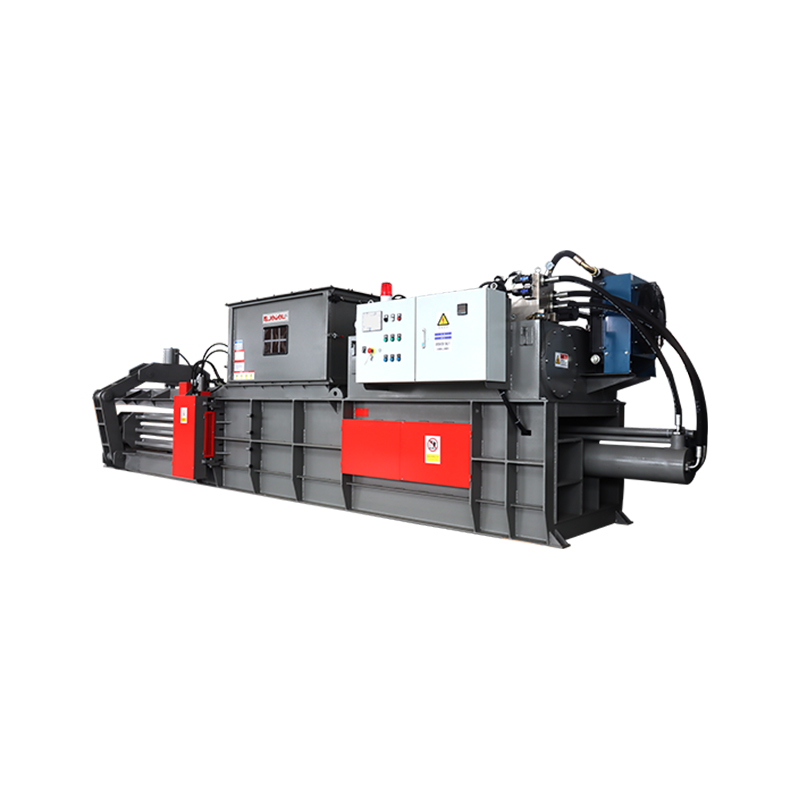 OEM/ODM Medium Horizontal Fully Automatic Compression Baler Factory, ManufactureShanghai Jewel Tech Co.,Ltd is China OEM/ODM Medium Horizontal Fully Automatic Compression Baler manufacturers and factory,The horizontal...View Product →
Installation, Operation, and Maintenance
Once the baler is selected, the quality of the installation and the discipline of the maintenance routine will determine whether the machine performs well for five years or for fifteen. Many of the problems that appear in baler troubleshooting are linked back to a poorly prepared site, contaminated hydraulic oil, or a neglected safety system.
Site Preparation and Installation
The machine should sit on a level concrete floor with adequate load-bearing capacity. For vertical balers, a standard 150 mm reinforced concrete slab is generally sufficient. Horizontal balers with an integral conveyor may require a recessed pit so the feed hopper is at floor level, which allows workers to push or sweep cardboard directly into the hopper instead of lifting it. Adequate overhead clearance is essential for vertical balers, whose platen cylinder extends above the chamber when the ram is retracted. Verify that the ceiling height exceeds the machine's maximum height specification by at least 300 mm.
The electrical supply must be sized for the motor's starting current, not just its running current. A 15 kW motor can draw over 50 amps at startup, and a soft starter or variable frequency drive helps avoid tripping breakers. Hydraulic hoses should be routed so they are protected from forklift traffic, and the area around the machine should be kept free of loose cardboard so that fire risk and dust accumulation are minimized.
Daily and Weekly Maintenance Checks
A structured maintenance routine extends the life of the machine and prevents costly downtime. The daily checks take no more than ten minutes and should become part of the operator's standard shift routine.
- Check the hydraulic oil level through the sight glass and top up if needed with the recommended grade.
- Look for visible oil leaks around cylinder seals, hoses, and valve blocks.
- Confirm that the safety interlocks on feed doors and access panels are functioning correctly.
- Inspect the condition of tying wire or strapping and refill the auto-tie mechanism if required.
- Listen for abnormal noise from the pump or motor during the first compression cycle of the day.
Weekly maintenance should include cleaning photo-eyes and limit switches, removing dust and debris from the control panel and motor housing, checking the tightness of bolts on the platen, and wiping down the guide rails. On machines with an automatic oil cooler, check that the cooling fan and radiator fins are clean so that oil temperature stays within the recommended range of 40 to 60 degrees Celsius during continuous operation.
Hydraulic Oil and Filtration
Hydraulic oil is the lifeblood of the baler, and the most common cause of premature component failure is contaminated or degraded oil. Most manufacturers recommend a mineral-based hydraulic oil of ISO VG 32 or VG 46 grade, depending on the ambient temperature. Change the oil according to the manufacturer's schedule, typically every 2,000 operating hours or once per year, whichever comes first. The return-line filter should be changed at the same interval, and a sample of the old oil should be inspected for metal particles, water, or a burnt smell, which can indicate internal wear.
Safety Features and Operator Training
Modern balers are equipped with safety interlocks on doors, two-hand anti-tie-down controls on manual machines, emergency stop buttons, and mechanical safety latches that hold the platen in position while the operator ties the bale. These features must never be bypassed. The feed door of a vertical baler is interlocked so that the platen cannot descend while the door is open; defeating this interlock is the leading cause of serious baler injuries. Operator training should be documented and reviewed annually, and only trained staff should be allowed to operate the machine.
Buyers who source equipment for international markets should confirm that the baler carries appropriate certification. For European markets, check that the machine meets the requirements of the relevant safety directives and carries CE product certification, which is normally indicated by a declaration of conformity and a CE mark on the nameplate. For other regions, verify that the electrical components are rated for the local voltage and frequency, and that the machine is accompanied by compliant documentation.
Cardboard Baling and Sustainability
Corrugated cardboard, often abbreviated as OCC (old corrugated containers), is one of the most widely recycled materials in the world. Paper mills depend on recovered fibre for a substantial share of their raw material input, and the quality of that fibre is directly influenced by how it is collected, stored, and baled at the source.
Baling makes cardboard recycling economically viable at scale. A mill cannot effectively transport and process loose cardboard across long distances; dense bales, by contrast, allow standard flatbed trucks to carry 20 to 25 tonnes of fibre per load. This logistics efficiency is what connects a single warehouse in one city with a paper mill hundreds of kilometres away. Baling is the physical mechanism that closes the recycling loop.
For companies with sustainability reporting obligations, baling contributes to measurable environmental benefits. Most of the cardboard produced today contains 40 to 60 percent recycled fibre, and a tonne of recycled fibre avoids roughly the same amount of carbon emissions as a tonne of virgin fibre, primarily by reducing the demand for wood pulp and the energy required in pulping. Baled cardboard is traceable, quantifiable, and easy to include in annual sustainability reports, giving businesses a concrete number to show customers, investors, and regulators.
An effective cardboard baling program also changes employee behaviour. When staff see that packaging waste is being converted into a valuable resource rather than thrown into a dumpster, they tend to separate materials more carefully at the source. This improves the quality of the bales and reduces contamination, which further increases the recycling value.
For organisations processing materials from the packaging supply chain, the corrugated packaging industry is one of the largest sources of baled fibre. Box plants, corrugators, and packaging converters generate cardboard waste at several points in production, and integrating a baler into that waste stream is the most direct way to convert an operational cost into a revenue line. It is also the most visible action a company can take to demonstrate that its sustainability commitments extend to its own production floor.
Cardboard Baler FAQ
What size cardboard baler do I need?
Size is determined primarily by your daily waste volume and available floor space. If you produce under one tonne per day, a vertical baler with 30 to 60 tons of pressing force is usually sufficient. If you produce two to six tonnes per day, a semi-automatic horizontal baler will save labour and produce heavier bales. Above eight tonnes per day, choose a fully automatic horizontal baler with conveyor feed and auto-tie. Always add a 25 to 30 percent capacity margin to account for seasonal peaks and business growth.
How much cardboard is needed to justify a baler?
A general rule of thumb is that a baler becomes economical when a facility generates at least one to two tonnes of cardboard per week. At that level, the savings on waste hauling alone will typically cover the financing cost of a small vertical baler. At lower volumes, renting a baler or sharing equipment with a neighbouring business might be a better option. Keeping a daily log of how much loose cardboard is discarded can quickly show how much your facility could save.
Can a cardboard baler also process other materials?
Many balers are capable of processing other recyclables such as plastic film, paper, and some types of non-ferrous metal scrap, but the machine should be specified for the full range of materials you intend to bale. Plastic film behaves differently from corrugated cardboard under compression, and a machine tuned for cardboard may not produce good plastic bales. If you plan to bale multiple materials, discuss this with the manufacturer so that the feed hopper, pressing force, and tying system are configured accordingly.
How long does it take to produce one bale?
Cycle times vary with machine type and the time spent loading, tying, and ejecting. On a typical vertical baler, the hydraulic compression cycle takes 30 to 60 seconds, but the full process including loading and manual tying takes three to five minutes. A semi-automatic horizontal baler produces a bale every four to eight minutes depending on how quickly material is fed. A fully automatic horizontal baler can produce a bale every two to three minutes continuously, because loading, compression, and tying all happen without operator intervention.
What is a good bale density for cardboard?
Most recycling mills accept bales with a density between 300 and 500 kg per cubic metre. Vertical balers typically achieve 250 to 400 kg per cubic metre, while large automatic horizontal balers reach 450 to 600 kg per cubic metre. Higher density means lower freight cost per tonne, but it also means heavier individual bales, which require a forklift with sufficient capacity. The bale density your buyer expects should be confirmed before purchase.
Can I buy a used cardboard baler?
Used balers can be a good option if the machine was properly maintained and the hydraulic components are in good condition. Walk through the machine, inspect the cylinder seals for leaks, test the control system, and ask for maintenance records. Keep in mind that an older baler may lack modern safety features such as safety latches and dual anti-tie-down controls, and retrofitting those features can add cost. A certified new machine from a manufacturer with a service network often provides better long-term value when labour costs and safety compliance are taken into account.
What installation requirements should I prepare?
You will need a level concrete floor with adequate load-bearing capacity, a three-phase electrical supply with sufficient amperage, and enough clearance around the machine for operators and forklifts. If you choose a horizontal baler with a floor-level hopper, plan for a pit or a ramp. Confirm overhead clearance for vertical balers, and arrange for ventilation if the machine will run continuously in a confined area. A free consultation with a manufacturer's engineer can help you define the site requirements precisely.
A Final Checklist Before You Buy
By the time you reach this point in the decision process, you should have a clear picture of your volume, your floor plan, and the bale specifications your buyer expects. Use this final checklist to evaluate each machine you consider, including quotes from different suppliers.
Confirm that the machine's rated throughput is based on cardboard specifically, not on lighter materials such as plastic film. Ask for the cycle time per bale and calculate your daily bale count.
Match the bale chamber dimensions to your buyer's requirements and to your forklift capacity. A bale that is too heavy for your truck is a bale you cannot move safely.
Compare pressing forces across models and ask what density each machine achieves with clean, dry cardboard. Denser bales earn better prices and lower freight, but require heavier wire and stronger handling equipment.
Review the interlock system, emergency stops, safety latches, and guard design. Verify that the machine meets regional safety regulations and, where applicable, carries CE product certification.
Check the manufacturer's spare parts availability, warranty terms, and whether technicians can travel to your site for commissioning and training. A machine is an investment, but the support behind it is what protects that investment.
Whether your operation is a small retail back room or a high-volume recycling depot, the cardboard baler that fits your conditions should be a machine that reduces physical work, produces consistent bales, and pays for itself within a reasonable period. A baler for cardboard is not just a piece of equipment for compacting waste. It is the connection between a messy waste stream and a clean, marketable material. Get that connection right, and the cardboard that left your facility as a cost becomes a dependable source of revenue.