
 English
 中文简体
中文简体 русский
 日本語
日本語 Français
 Español
 عربى
عربىen

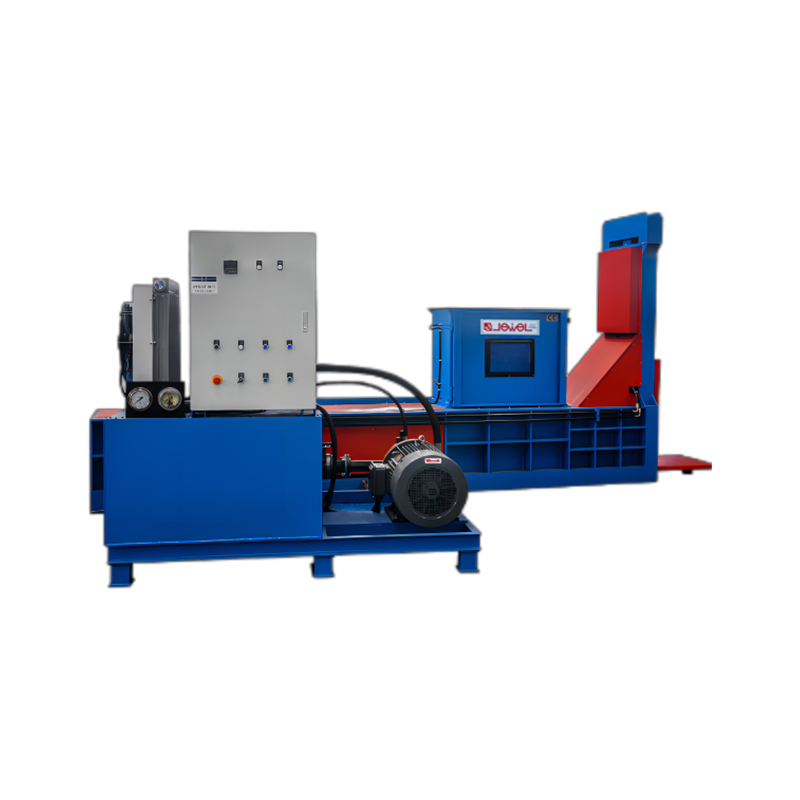
A waste discharge system collects waste generated along a production line and transports it to a baler or collection point through pneumatic conveyance, belt co...
READ MORE2026-05-15
Content
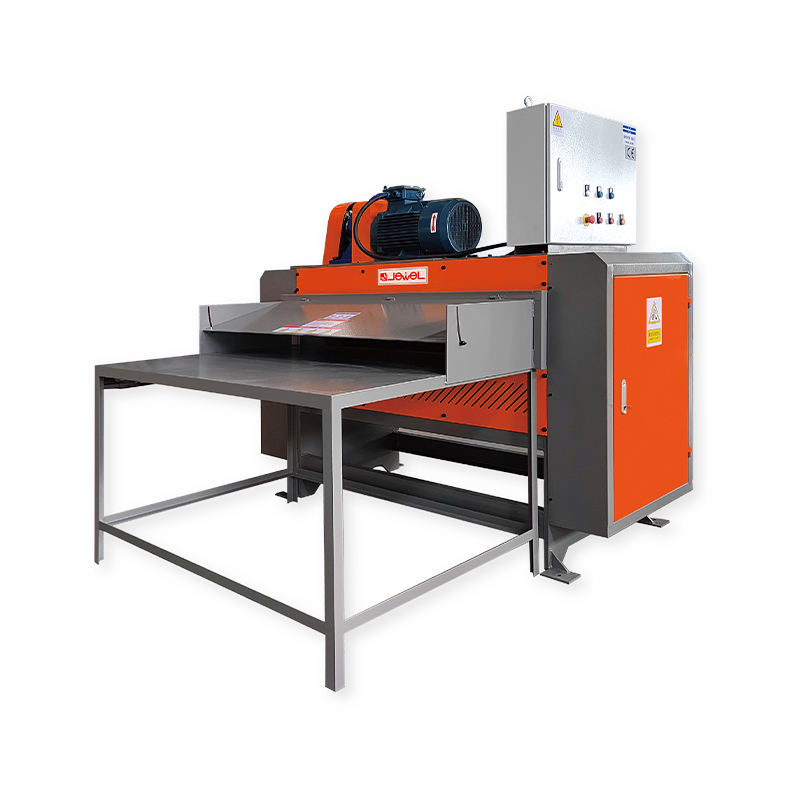
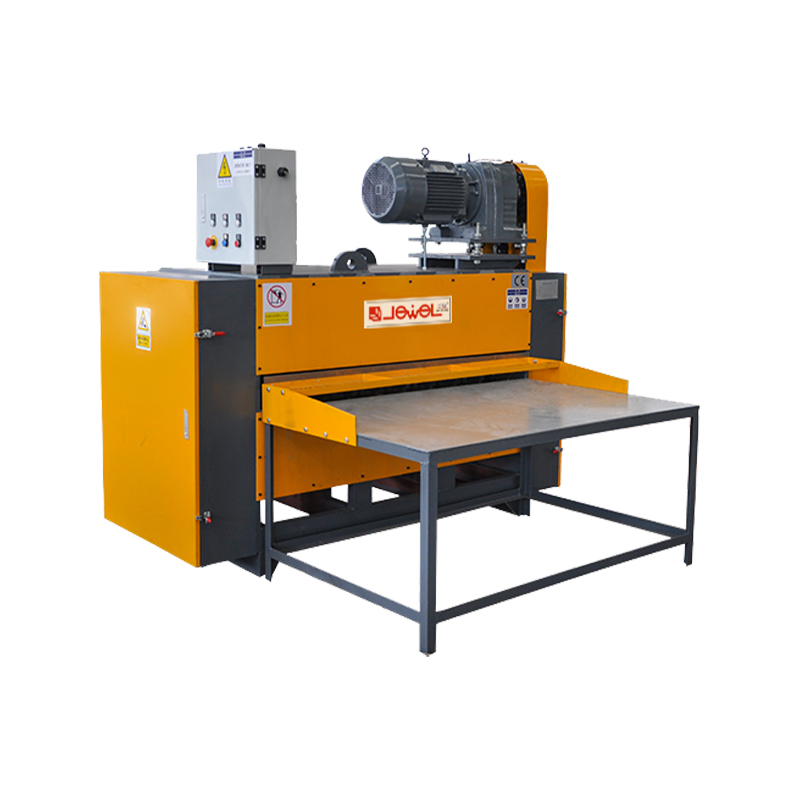
Cardboard shredders are commonly used for processing corrugated cardboard, carton offcuts, and printed packaging waste. However, a cardboard shredder is not designed to process every type of paper. Material thickness, tensile strength, surface coating, and dimensions all affect whether a machine can handle a given material reliably over time. Understanding these distinctions helps customers avoid feeding unsuitable materials into the equipment and reduces unnecessary component wear.
Cardboard shredders are designed to handle the following material types:
These materials share the characteristic of having sufficient structural strength to be cut cleanly without having the high tensile strength that causes wrapping or jamming around the cutting mechanism.
The following material types should be assessed by a technician before being fed continuously into a cardboard shredder:
The design service life of a cardboard shredder's transmission system (chains, bearings, reduction gearbox) and cutting tooling is calculated based on standard applicable materials. Continuously loading materials outside the equipment's specification may produce the following effects:
These effects may not be immediately apparent but tend to appear collectively within six months to one year, significantly increasing maintenance costs relative to normal operation.
Before feeding a new material type, customers are advised to provide:
Confirming material suitability through a trial run or technical review significantly reduces the risk of equipment wear caused by incompatible materials.
Can thin kraft paper or large-format thick paper be fed directly into a cardboard shredder?
This depends on the specific material's thickness, tensile strength, and maximum dimensions and must be confirmed before continuous loading. Thin high-tensile papers like kraft and single-gloss paper can wrap around blade shafts or transmission components, increasing load on chains and bearings. Large-format or very heavy sheets can cause jamming or structural stress on the cutting assembly. If unsuitable paper types are loaded continuously over time, the accumulated wear on chains, bearings, and the reduction gearbox will shorten the equipment's service life. Providing material photos, dimensions, and a trial sample allows the technical team to confirm suitability and recommend the appropriate feed method before any commitment to regular operation.
What happens if composite paper is accidentally fed into the shredder?
Occasional loading of composite materials such as foil-laminated or plastic-coated paper is unlikely to cause immediate failure, but the cutting resistance of composite materials is meaningfully higher than plain cardboard, and the adhesive or plastic layers can accumulate on blade surfaces over time. If composite paper is a regular part of the waste stream, the tooling specification and cutting geometry should be confirmed against the specific composite type before it becomes part of the routine feed. Some composite configurations are manageable with the appropriate blade configuration; others may require a separate processing stream.
How can I tell if the material is too wet to run through the shredder?
A practical indicator is whether the material clumps together when compressed by hand. Wet cardboard that sticks together tends to produce a pulpy output that can build up in the discharge area and create blockages. Another sign is increased motor load or slower throughput during processing. If the material source has seasonal moisture variation (such as outdoor storage or proximity to a wet production process), this should be disclosed at the selection stage so the equipment configuration can account for it.
If you are unsure whether your material is suitable for a cardboard shredder, you are welcome to contact the JEWEL team with material photos and sample information for a suitability assessment before committing to regular operation.
A waste discharge system collects waste generated along a production line and transports it to a baler or collection point through pneumatic conveyance, belt co...
READ MOREWhen selecting hydraulic balers, shredding and compaction systems, or waste discharge systems, the quality of the selection process directly determines long-ter...
READ MOREWhat Is a Baler for Cardboard? A packaging plant generating two tons of corrugated offcuts per day faces a familiar problem: loose cardboard fills a forty-yar...
READ MOREHorizontal Balers for High-Volume Material Compaction: A Technical Overview Manufacturing plants, distribution centers, and recycling facilities that generate ...
READ MORECompliance Quality Audit Export Machinery A container full of steel and hydraulics sitting idle at a customs terminal is one of the most expensive delays a rec...
READ MOREManufacturing Insight Engineering Standards Behind Every Waste Crusher We Build Every waste crusher leaving our production floor is the result of a defined en...
READ MORE
Waste Types
Categories
 Custom Baling Press Machine Manufacturers