
 English
 中文简体
中文简体 русский
 日本語
日本語 Français
 Español
 عربى
عربىen
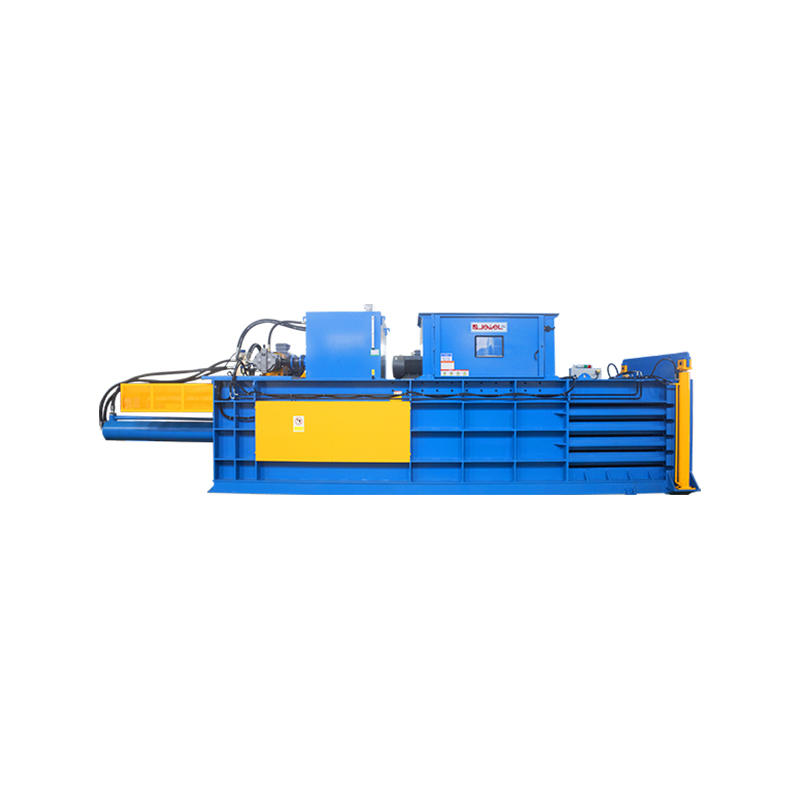
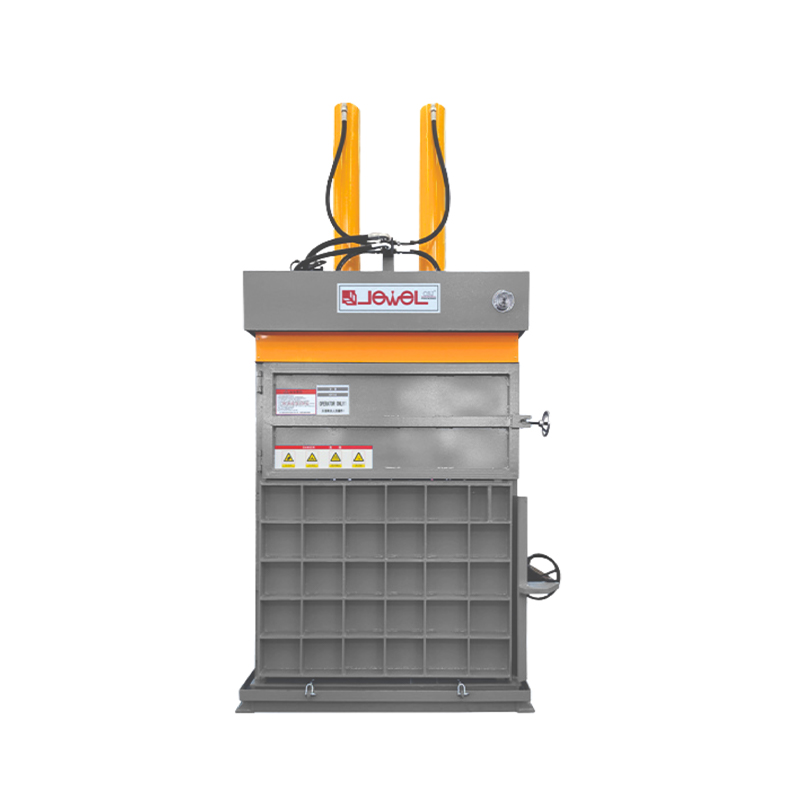
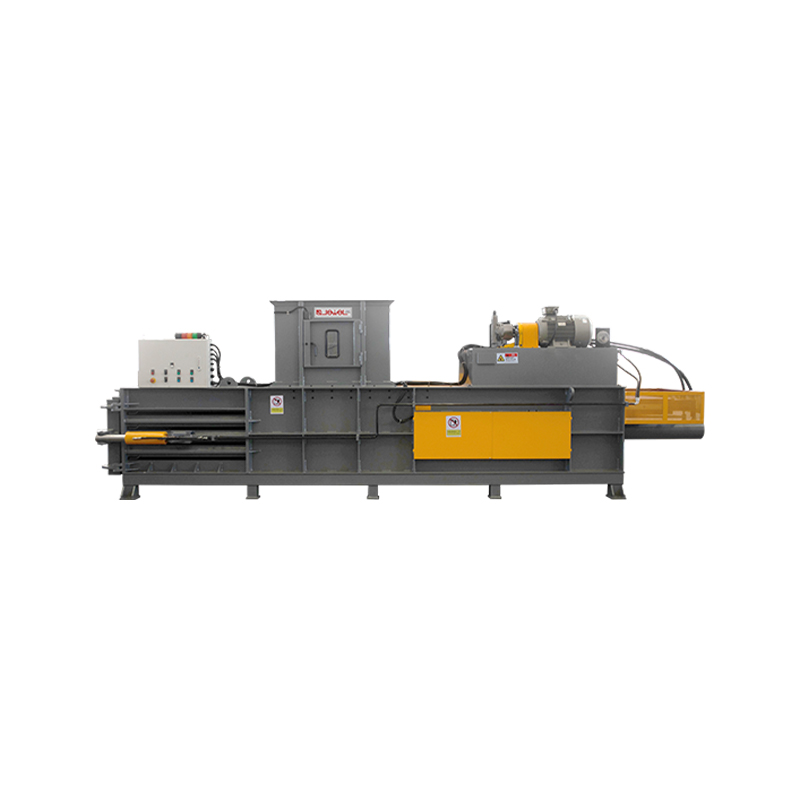
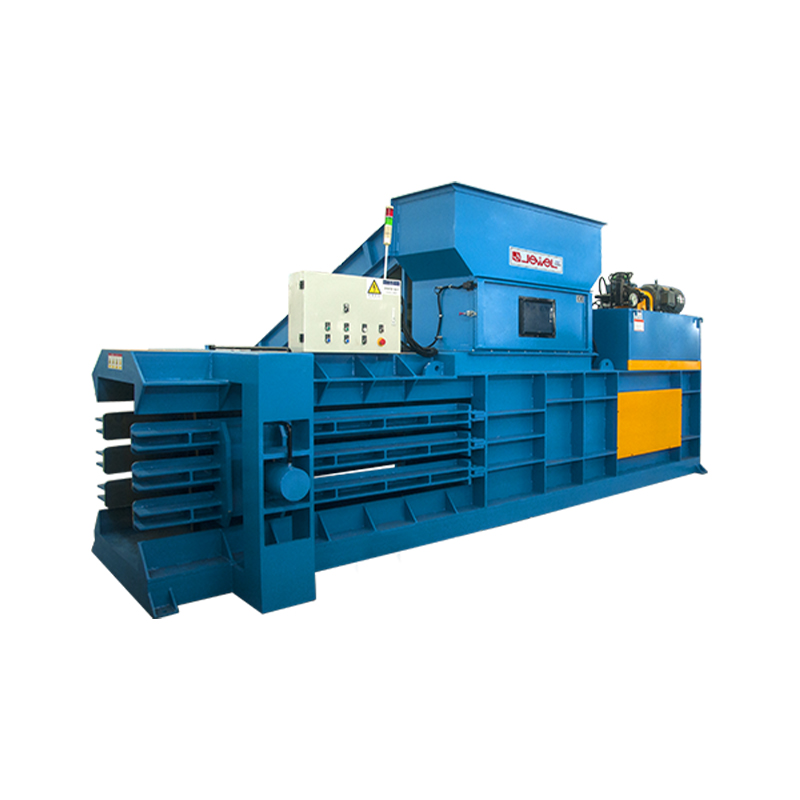
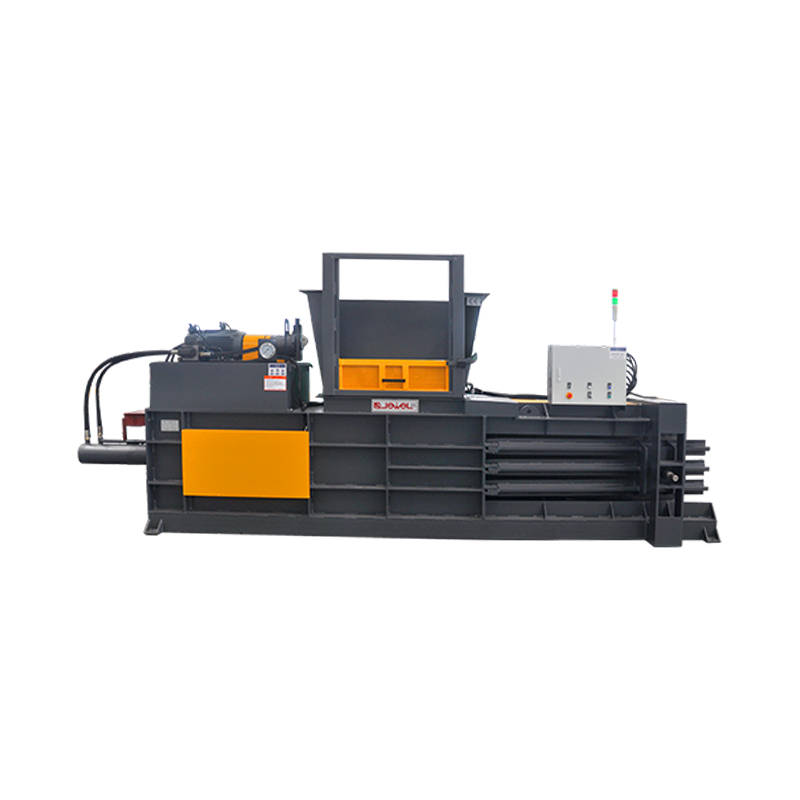
Horizontal Balers for High-Volume Material Compaction: A Technical Overview Manufacturing plants, distribution centers, and recycling facilities that generate ...
READ MORE2026-05-15
Content
During hydraulic baler operation, some customers encounter bales that are lighter than expected and instinctively consider increasing the machine pressure. While this reasoning appears logical, it carries meaningful risk in practice. This article explains how hydraulic system pressure is established at the factory, and how to correctly diagnose the actual cause when bale quality does not meet expectations.
The working pressure of a hydraulic baler, as specified at the factory, is determined by the combined evaluation of the following factors:
Factory pressure is not the absolute maximum the equipment can physically reach. It is the safe working upper limit established after accounting for all of the above factors. Operating continuously above this limit constitutes use outside of the equipment's design conditions.
Increasing hydraulic system pressure without authorisation from the equipment manufacturer may cause the following problems:
These problems typically do not manifest immediately but tend to appear in concentration within a few months, with repair costs that are substantially higher than normal maintenance.
Bale quality shortfalls are more commonly caused by factors unrelated to machine pressure:
The following sequence is recommended before making any pressure-related changes:
If bales are not tight enough, can the pressure be increased by the operator?
This is not recommended. Increasing pressure without authorisation may exceed the equipment's design conditions, placing additional stress on the hydraulic system, cylinders, and machine frame, which can lead to seal failure, line damage, or structural fatigue. Before any pressure adjustment is considered, the technical team should first determine whether the cause is related to material type, feed volume, compression cycle settings, or equipment maintenance. In most cases, one of these factors is the actual cause, and addressing it resolves the bale quality issue without any pressure change. If an authorised adjustment is ultimately determined to be appropriate, it should be carried out by a qualified technician, not by the operator.
How do I know whether the problem is the pressure setting or the maintenance condition of the machine?
A practical first check is the hydraulic oil condition and level, and the state of the hydraulic filter. Degraded oil or a blocked filter reduces the actual pressure delivered to the cylinder even when the pressure gauge reading appears normal, because the gauge measures system setting pressure rather than the effective force actually applied. If the oil and filter conditions are acceptable, the next step is to review feed volume consistency and compression cycle settings. Systematic elimination of these factors before concluding that the machine needs a pressure increase produces more reliable results and avoids unnecessary wear.
Is it ever appropriate to adjust the pressure setting on a hydraulic baler?
Pressure adjustments within the rated design range of the equipment can be appropriate in certain circumstances, such as when processing a new material type that was not part of the original selection criteria, or when operating parameters are being optimised after a period of running data has been collected. Such adjustments should always be made by or under the guidance of the equipment manufacturer's technical personnel, with a clear understanding of the machine's rated limits and the specific purpose of the adjustment.
If you are experiencing bale quality issues with your hydraulic baler, you are welcome to contact the JEWEL after-sales team with your equipment model, material information, and current operating parameters for a diagnostic assessment.
Recommended products
Horizontal Balers for High-Volume Material Compaction: A Technical Overview Manufacturing plants, distribution centers, and recycling facilities that generate ...
READ MOREThe Short Answer First A production manager in a corrugated packaging plant recently showed me two photographs. The first was a wall of baled cardboard and pla...
READ MOREIn the context of the global circular economy and efficient industrial waste utilization, metal resource recycling demands higher equipment performance. Whether...
READ MOREINDUSTRY GUIDE Waste Compression and Material Handling What Is a Horizontal Baler and Which Type Fits Your Material? Horizontal balers compress large volumes...
READ MOREWhat Is a Vertical Plastic Baler and How Does It Work? If your facility is dealing with growing piles of plastic waste — bottles, film, containers, packaging — ...
READ MOREAgainst the backdrop of resource recycling and industrial emission reduction, efficient material compaction technology has become an indispensable link in many ...
READ MORE
Waste Types
Categories
 Custom Baling Press Machine Manufacturers