
 English
 中文简体
中文简体 русский
 日本語
日本語 Français
 Español
 عربى
عربىen
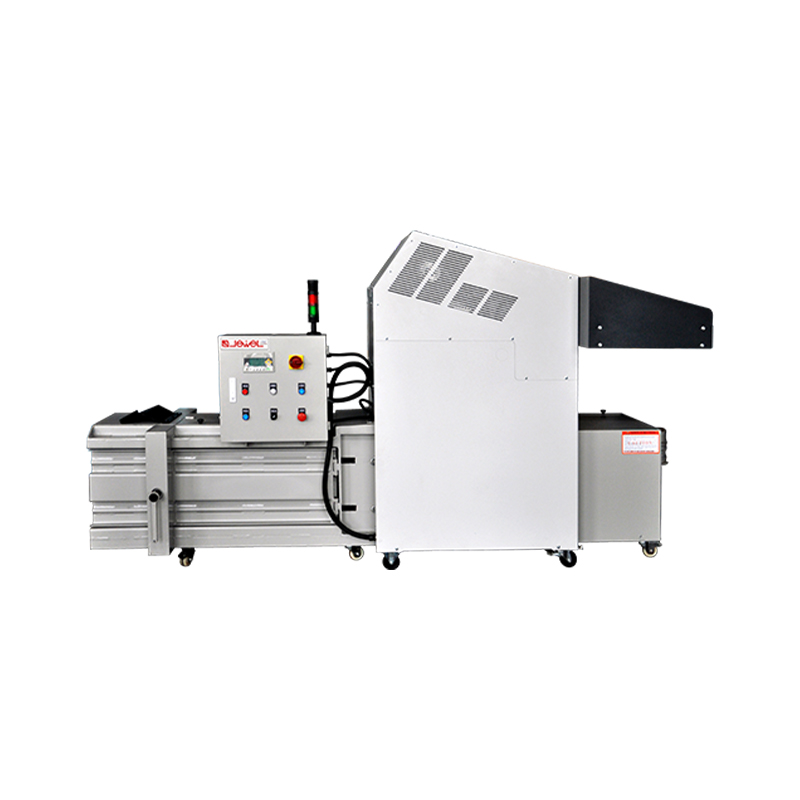
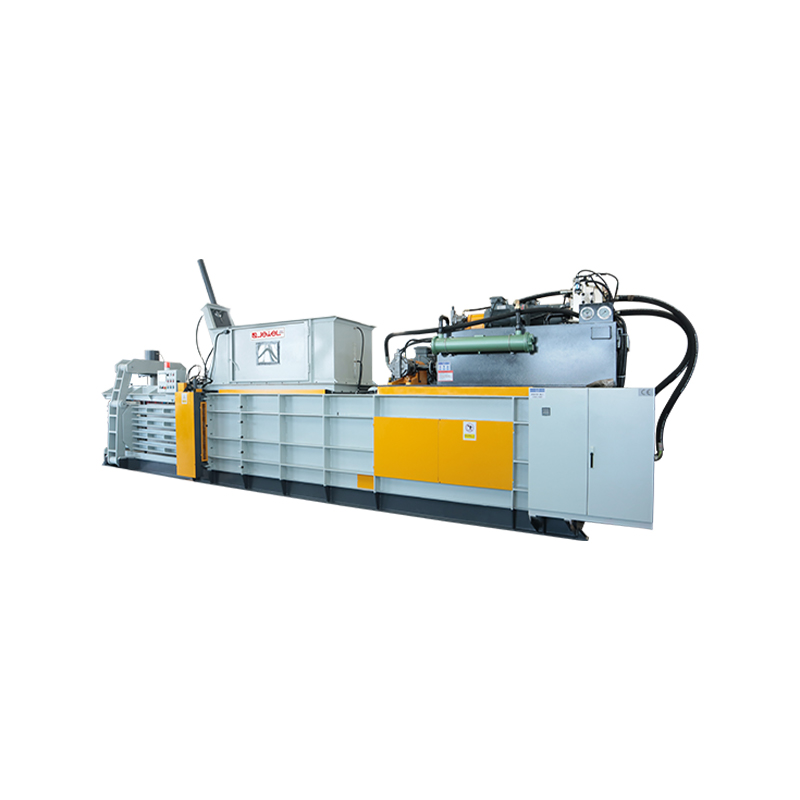
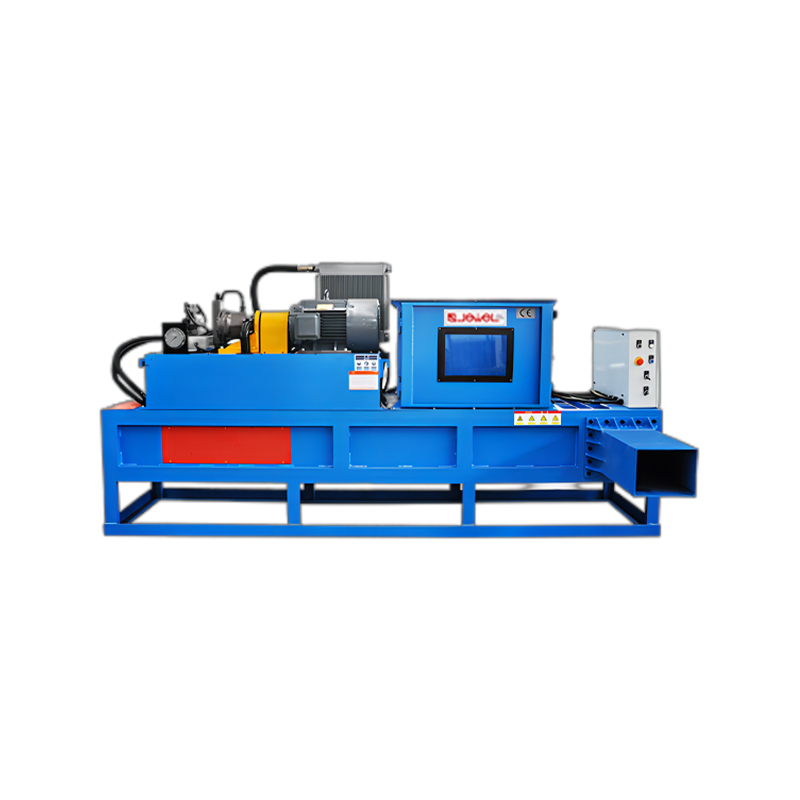
The Short Answer First A production manager in a corrugated packaging plant recently showed me two photographs. The first was a wall of baled cardboard and pla...
READ MORE2026-06-12
Content
In the context of the global circular economy and efficient industrial waste utilization, metal resource recycling demands higher equipment performance. Whether dealing with bulk ferrous metals, mixed non-ferrous materials, or post-consumer aluminum packaging, reducing transportation costs, maximizing stacking density, and minimizing storage space are critical goals. High-performance metal baler, scrap metal baler, and specialized aluminum baler machine systems play an irreplaceable role in this process. This analysis examines how advanced compression technology resolves processing bottlenecks from technical, selection, and parametric perspectives.
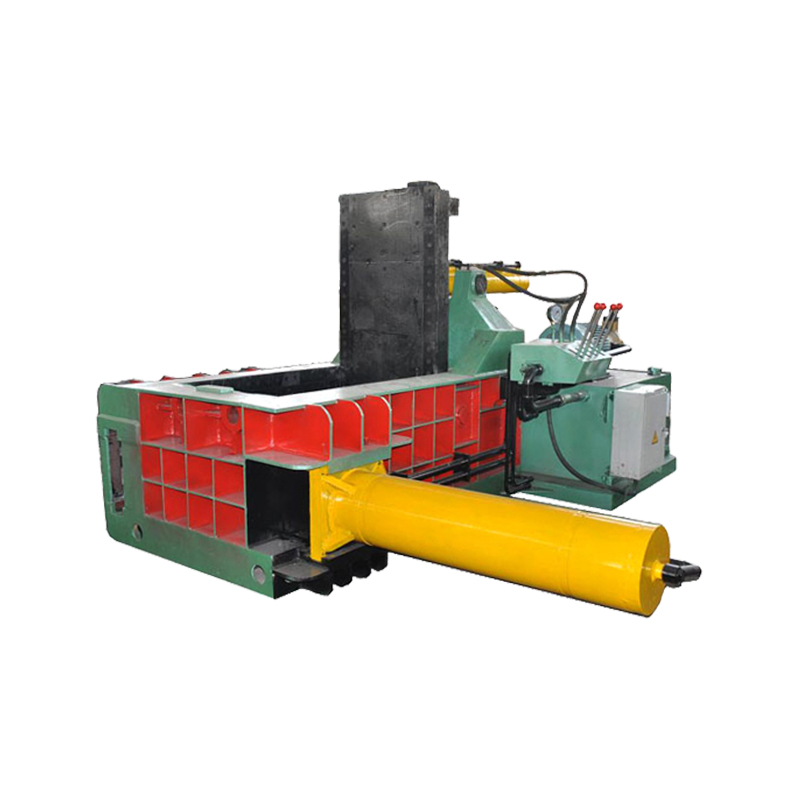
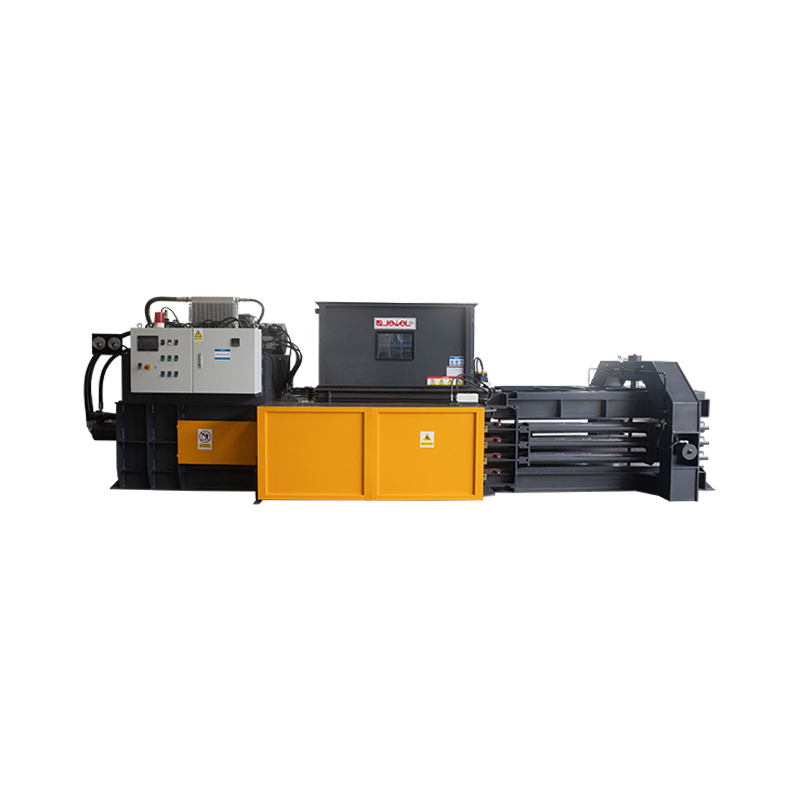
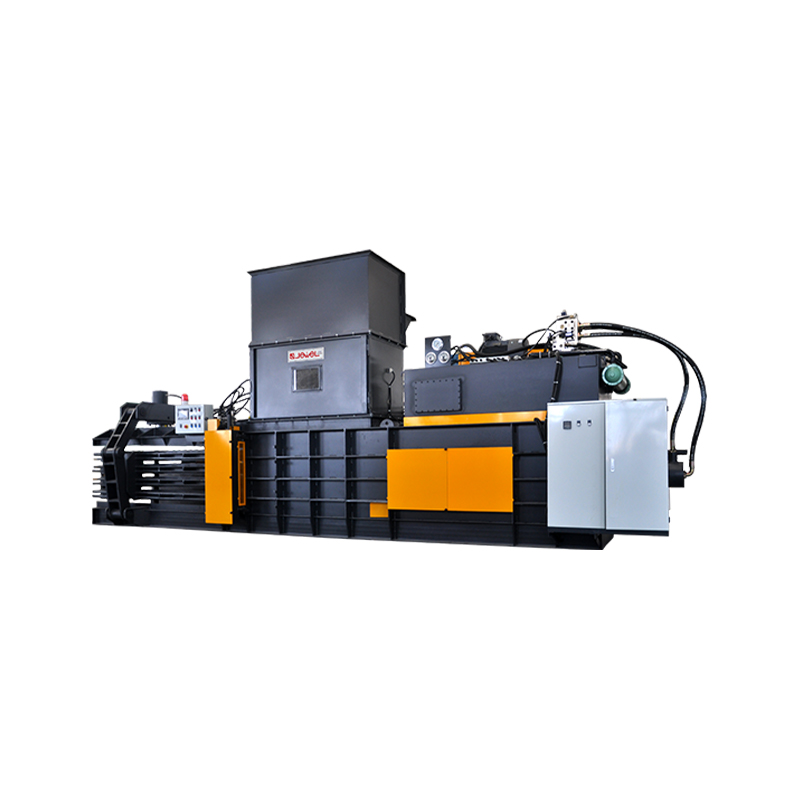
In the recycling chain, loose scrap metal, decommissioned vehicle shells, and thin industrial waste are bulky and irregular. A robust metal baler machine uses high-pressure hydraulic force to compress loose materials into dense, regular blocks (bales). This structural transformation drastically reduces storage footprint and directly improves feeding efficiency in melting furnaces.
Different material characteristics and operational environments require distinct machinery designs. For large-scale steel mills and scrap processing centers, heavy stationary aluminium scrap baler models or multi-compression metal baler systems provide the foundation for industrial volume. Conversely, for teams managing multiple collection yards or moving between processing sites, portable scrap metal balers offer vital operational flexibility. These mobile configurations feature integrated diesel power plants and trailer chassis, running immediately without concrete foundation preparation.
Aluminum holds high recycling value, but compressed aluminum (especially used beverage cans and profile scrap) displays unique physical behavior compared to ferrous steel. Aluminum possesses higher elastic memory, causing it to spring back after single-stage compression, and bulk cans often contain residual liquids. Standard general-purpose baling presses fall short, making specialized aluminum can baler machine and aluminum baler machine configurations essential.
A dedicated aluminium scrap baler for non-ferrous materials incorporates specific engineering modifications:
First, anti-rebound mechanisms such as built-in retaining teeth or multi-directional compression chambers secure the material during the cycles. This ensures that when the main press cylinder retracts, the aluminum bale retains high density without expanding or falling apart.
Second, fluid management systems in an aluminum can baler machine process the residual liquids forced out during high-pressure compaction. Integrated drainage channels and corrosion-resistant filtration pathways safely remove liquid waste, preventing hydraulic system contamination and maintaining floor cleanliness.
To offset manual labor costs and operational hazards in high-throughput environments, facilities utilize automated configurations. The automatic metal baler updates traditional scrap handling into an efficient, streamlined workflow.
Modern automatic metal baler systems combine programmable logic controllers (PLCs) with digital sensor arrays. Material enters the hopper via conveyors or grab cranes, and sensors monitor the volume. Once filling thresholds are reached, the main ram, side cylinders, and lid compactors execute pre-programmed pressure sequences. After compression, the automatic metal baler manages cycle completion, door release, and bale ejection automatically. This continuous processing cycle drops overhead costs and ensures consistent bale dimensions that align with smelting industry standards.
To guide equipment evaluation, the table below outlines technical metrics for a metal baler machine across different processing demands. System operating pressure, chamber size, and cycle times dictate final production throughput.
| Technical Specification | Heavy Duty scrap metal baler | Continuous aluminum can baler machine | Mobile portable scrap metal balers |
| Primary Target Materials | Steel scrap, plates, heavy copper/aluminum structures | Used Beverage Cans (UBC), thin sheets, light non-ferrous scrap | Light loose scrap, car bodies, mixed aluminum cans |
| Main Hydraulic Force (kN) | 2500 - 4000 | 1000 - 1600 | 1250 - 2000 |
| Bale Dimensions (mm) | 500 x 500 to 800 x 800 (adjustable) | 300 x 300 to 400 x 400 | 400 x 400 or 500 x 500 |
| Cycle Time per Bale (seconds) | Under 50 - 70 | Under 30 - 45 (continuous feeding) | Under 60 - 80 |
| Operation Configuration | Manual Remote / Semi-Automatic | Full Automation via automatic metal baler logic | Diesel Engine / Wireless Remote Control |
| Chamber Wear Liners | High-strength HARDOX wear plates | Corrosion-resistant alloy liners | Standard abrasion-resistant alloy steel |
| Primary Operational Advantage | High shearing force to process heavy, rigid materials | Integrated drainage, anti-rebound structure for high-frequency use | Rapid relocation, immediate deployment, no foundation needed |
Matching operational volumes to these technical parameters helps maintain metal baler stability during high-load shifts. This proper configuration reduces stress on hydraulic valves and cylinders, cutting down long-term maintenance costs and component wear.
Recommended products
The Short Answer First A production manager in a corrugated packaging plant recently showed me two photographs. The first was a wall of baled cardboard and pla...
READ MOREIn the field of industrial waste recycling and renewable resource utilization, the application of metal balers plays a crucial role in improving operational eff...
READ MOREIn modern industrial waste management, volume reduction and density enhancement are key to efficient transport and resource circulation. As industrial productio...
READ MOREIn industrial manufacturing, material recycling, and urban waste management systems, solid waste volume reduction and resource utilization are core links to red...
READ MOREWhat Is a Vertical Plastic Baler and How Does It Work? If your facility is dealing with growing piles of plastic waste — bottles, film, containers, packaging — ...
READ MOREAgainst the backdrop of resource recycling and industrial emission reduction, efficient material compaction technology has become an indispensable link in many ...
READ MORE
Waste Types
Categories
 Custom Baling Press Machine Manufacturers