
 English
 中文简体
中文简体 русский
 日本語
日本語 Français
 Español
 عربى
عربىen
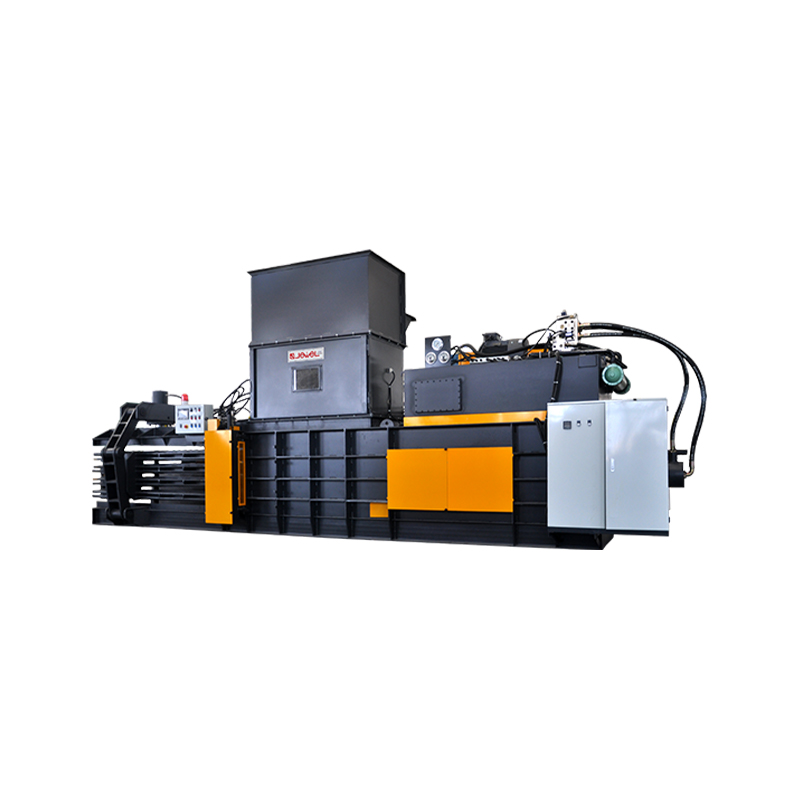
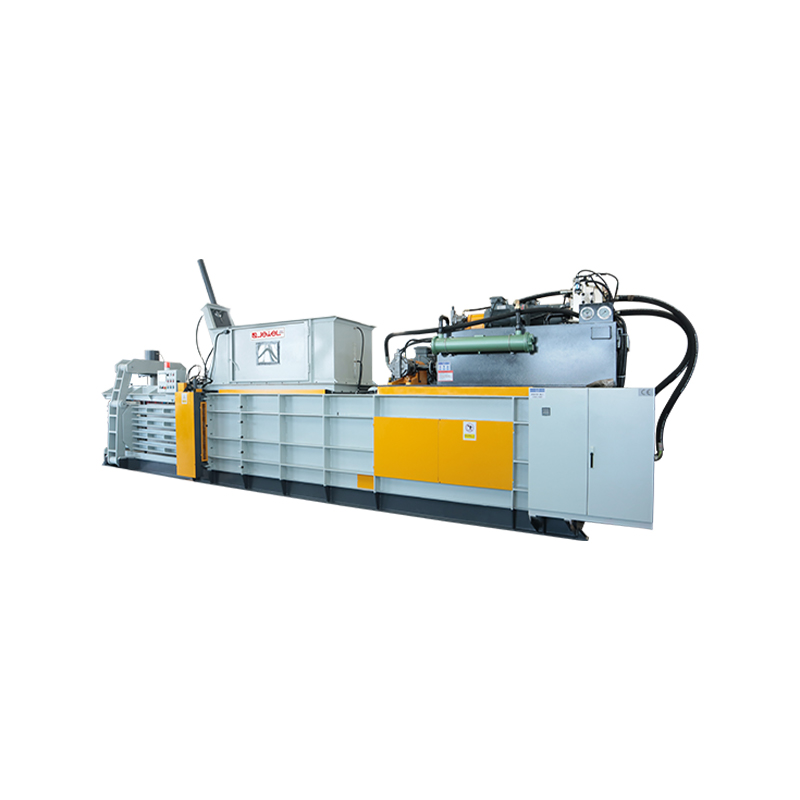
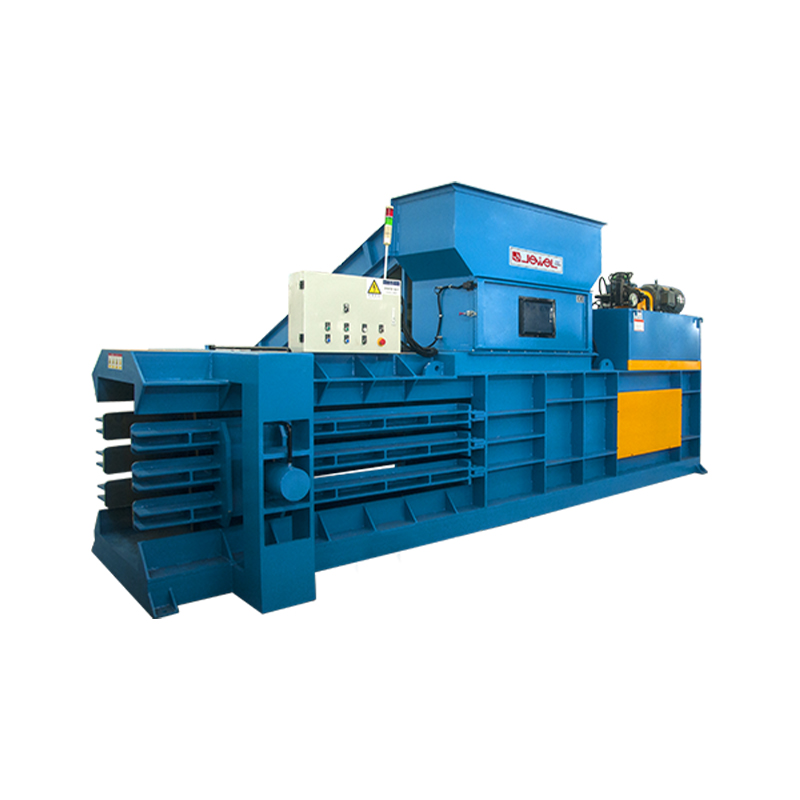
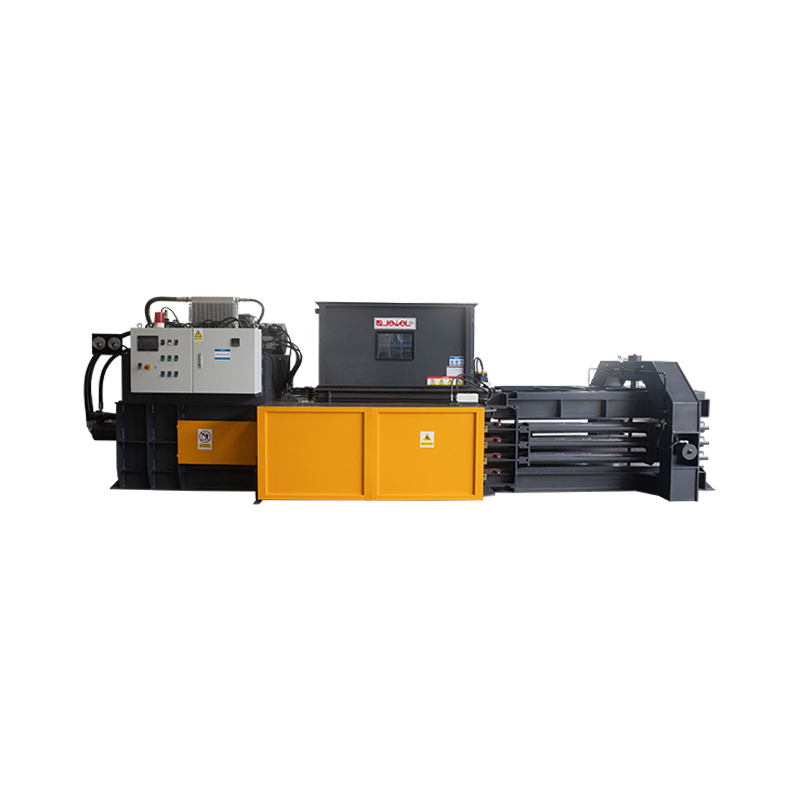
In modern industrial waste management, volume reduction and density enhancement are key to efficient transport and resource circulation. As industrial productio...
READ MORE2026-06-19
Content
In industrial manufacturing, material recycling, and urban waste management systems, solid waste volume reduction and resource utilization are core links to reduce operating costs and improve the efficiency of downstream processing. Whether dealing with highly tenacious plastic products, high-hardness metal components, or bulky wood materials, selecting a matching material crushing system is the prerequisite for achieving high-efficiency operations.
The design core of industrial-grade crushing equipment focuses on the physical characteristics of different materials (such as shear strength, ductility, hardness, and moisture content), utilizing differentiated power transmissions and cutter structures.
Common industrial solid waste crushing mechanisms are mainly divided into the following categories:
Aimed at leftovers, injection molding sprues, and hollow containers in plastic processing enterprises, the design focus of a plastic scrap crusher is to prevent materials from melting due to heat and to reduce cutter wear. High-hardness cutting edges and reasonable cutter arrangements enable instantaneous shearing, reducing frictional heat during the crushing process. For large-sized pipes, machine casings, or bundled waste films, a waste plastic crusher mostly adopts a large-capacity hopper and a hydraulic pushing system to ensure that materials are forced into the crushing chamber, avoiding the "bridging" or slipping phenomenon of lightweight materials in the crushing cavity.
The recycling of metal waste faces challenges of high material strength and great impact force on equipment. A metal scrap crusher must be configured with high-strength alloy steel blades and an integrated cast knife box to withstand extremely high reverse impact loads. In industries such as chemicals and coatings, the disposal of discarded steel or plastic containers is equally difficult. A professional paint tin crusher adopts a targeted roller shaft design, which can not only quickly flatten and tear containers but also effectively deal with cured paint remaining inside the drums, providing standard-sized shredded materials for subsequent metal smelting or hazardous waste harmless treatment.
Wood processing residues, pallets, and green waste belong to fibrous materials. A wood waste crusher typically combines both tearing and cutting functions. For waste wooden pallets containing metal impurities like iron nails and screws, the crushing system needs to be equipped with an automatic reversal protection function. When an uncrushable high-hardness foreign object is detected, the main shaft automatically reverses to discharge the impact force, protecting the cutters from being damaged.
When facing mixed industrial waste with complex components, general-purpose waste crushers rely on their wide-adaptability cutter geometric designs and multi-stage power transmission systems. By optimizing the thickness, number of hooks, and arrangement sequence of the cutter teeth, the equipment can alternately process plastics, light metals, and paper packaging on the same production line, achieving high-proportion comprehensive volume reduction.
To facilitate accurate selection based on different production needs, the core crushing system parameter indicators for materials of different hardnesses and forms are listed below:
| Equipment Application Type | Core Adaptive Keywords | Main Drive Method | Cutter Shaft Speed (rpm) | Applicable Quality Hardness/Characteristics | Common Output Size (mm) |
|---|---|---|---|---|---|
| Heavy Metal Crushing System | metal scrap crusher | Hydraulic Drive / Motor Reducer | 10 - 25 | High hardness, high ductility metal | 40 - 150 (depends on blade thickness) |
| Packaging Container Crushing System | paint tin crusher | Motor + Hard-Tooth Surface Reducer | 15 - 30 | Strong impact, containers with residual materials | 20 - 80 |
| Mixed Solid Waste Shredding System | waste crushers | Motor Reducer | 20 - 40 | Mixed components, high volume and extremely complex solid waste | 50 - 200 |
| Rigid Plastic Crushing System | plastic scrap crusher | Direct Motor Drive / Belt Transmission | 400 - 600 | High brittleness or strong toughness injection molding sprue | 5 - 15 (configured with screen) |
| Bulk Plastic Shredding System | waste plastic crusher | Motor + Reducer / Hydraulic | 25 - 45 | Large-sized hollow drums, bundled films | 20 - 60 |
| Wood Fiber Crushing System | wood waste crusher | Motor Pulley Transmission | 500 - 800 | Strong fibrous, containing small amount of metal inclusions | 10 - 40 (adjustable) |
In actual production and operation, how to maintain cutter life and avoid high-frequency shutdowns is directly related to production efficiency. The following technical configurations can effectively solve common operational failures:
Recommended products
In modern industrial waste management, volume reduction and density enhancement are key to efficient transport and resource circulation. As industrial productio...
READ MOREIn the context of the global circular economy and efficient industrial waste utilization, metal resource recycling demands higher equipment performance. Whether...
READ MOREAgainst the backdrop of resource recycling and industrial emission reduction, efficient material compaction technology has become an indispensable link in many ...
READ MOREWhat Is a Vertical Plastic Baler and How Does It Work? If your facility is dealing with growing piles of plastic waste — bottles, film, containers, packaging — ...
READ MOREThe Short Answer First A production manager in a corrugated packaging plant recently showed me two photographs. The first was a wall of baled cardboard and pla...
READ MOREIn modern large-scale production and logistics warehouse management, the efficiency of the packaging process often determines the flow speed of the entire suppl...
READ MORE
Waste Types
Categories
 Custom Baling Press Machine Manufacturers