
 English
 中文简体
中文简体 русский
 日本語
日本語 Français
 Español
 عربى
عربىen
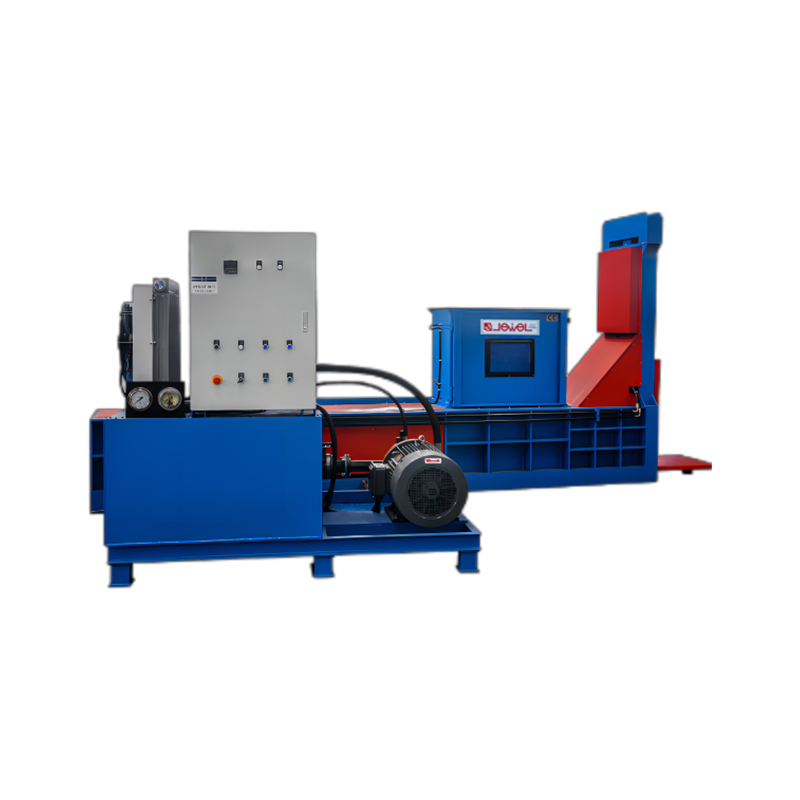
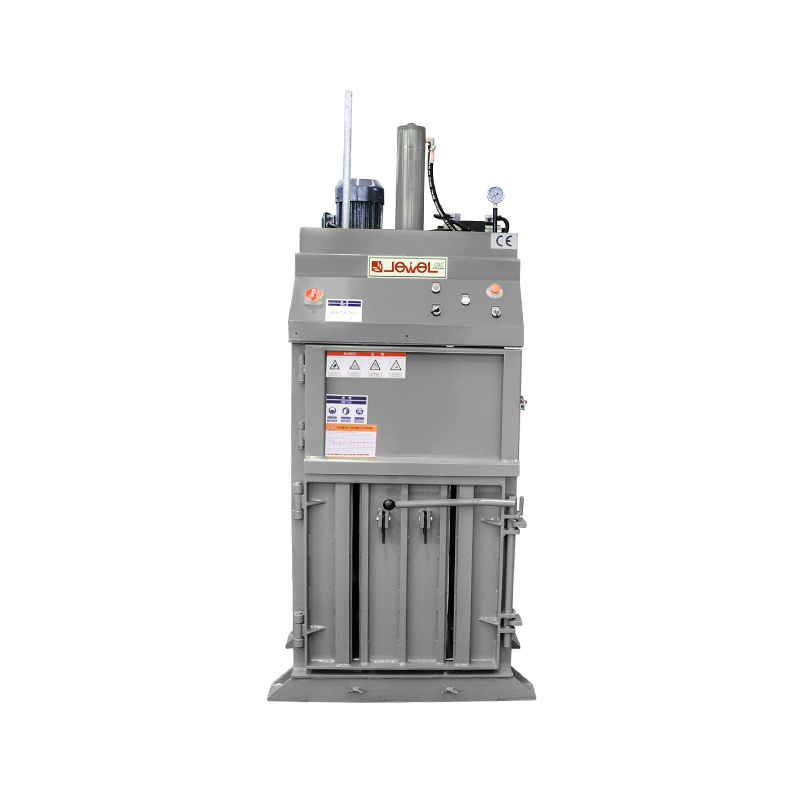
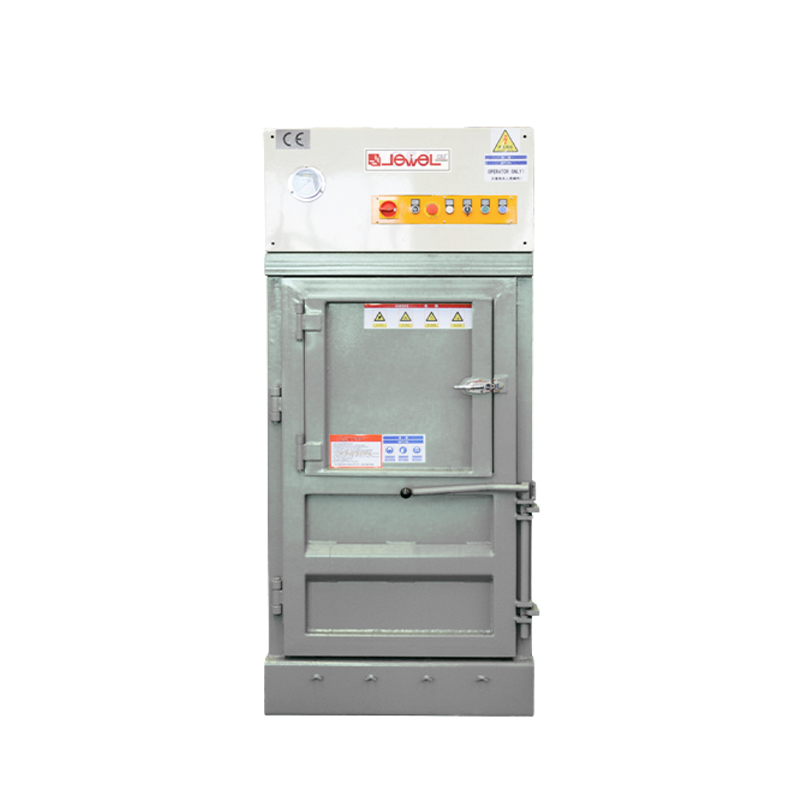
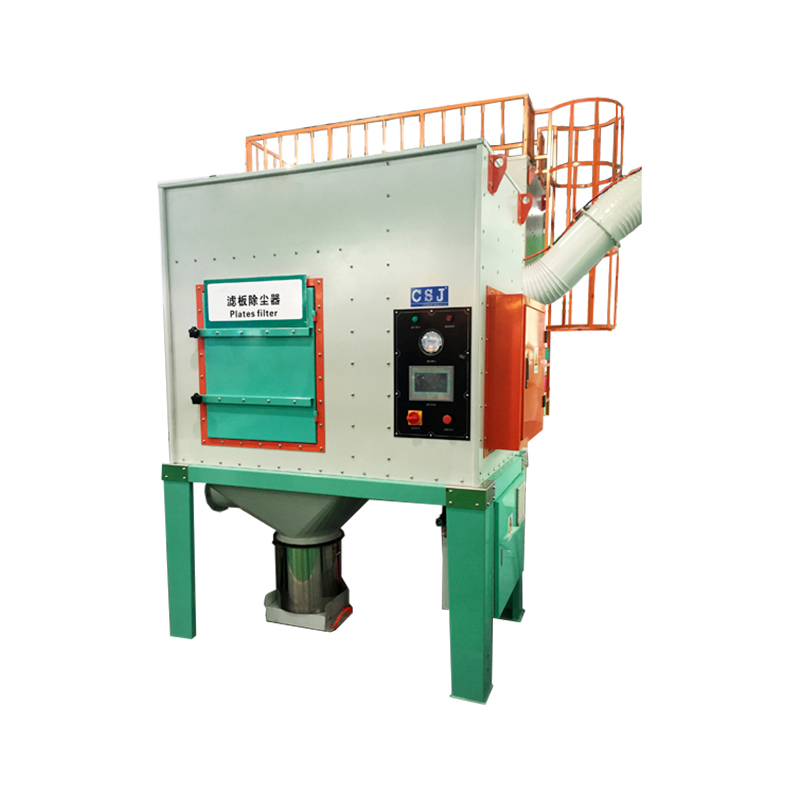
In modern industrial waste management, volume reduction and density enhancement are key to efficient transport and resource circulation. As industrial productio...
READ MORE2026-05-29
Content
Against the backdrop of resource recycling and industrial emission reduction, efficient material compaction technology has become an indispensable link in many production lines. For industries that need to process powders, shavings, or waste particles, choosing the right briquetting machines is the key to achieving cost control and environmental compliance. Ensuring maximum material utilization without affecting production efficiency is a challenge faced by many process engineers.
The core function of the briquette making machine is to convert loose materials into dense blocks through physical pressure. Its workflow is usually divided into four stages: feeding, pre-pressing, main pressing, and forming. During this process, the pressure generated by the powerful hydraulic system can overcome the internal friction of the material, causing fine particles to undergo mechanical interlocking under physical extrusion, thereby forming a structurally stable finished product.
Excellent equipment design usually includes a high-strength frame structure, wear-resistant molds, and precision hydraulic drive units. This structure ensures that the equipment maintains stable extrusion pressure during long-term continuous operation, avoiding loose or fractured products caused by pressure attenuation. For materials with different physical properties such as metal shavings, biomass fibers, or chemical powders, the mold cavity design of the equipment usually needs to be targeted and optimized to ensure that the material is evenly distributed when under pressure, minimizing internal porosity.
When selecting a briquette press machine, core parameters directly determine the quality of the final product (such as density, strength, and water resistance). Professional purchasers usually focus on the following technical indicators:
| Parameter Name | Description | Impact on Output |
| Forming Pressure | Maximum extrusion force generated by the equipment (kN) | Directly determines briquette density and mechanical strength |
| Production Efficiency | Output per unit time (tons/hour) | Determines production line capacity matching |
| Briquette Size | Diameter and length of the finished block | Affects subsequent transport and secondary utilization |
| Installed Power | Rated power of the main motor | Determines energy consumption per ton of production |
| Mold Material | Surface hardness and wear resistance of the mold | Affects equipment maintenance cycle and production stability |
Through the above comparison, users can clarify the logic of equipment selection under different operating conditions. For example, when processing high-hardness metal shavings, extremely high pressure per unit area is required; at this time, the wear resistance of the equipment mold and the continuous stability of the hydraulic system are priority factors. When processing biomass raw materials with lighter texture, the pre-compression ratio of the equipment feeding is more important.
In order to further reduce production losses and improve product quality, fine-tuning process parameters is crucial when operating briquetting machines.
The first is the ratio control of moisture and binders. For some materials that lack inherent binding properties, an appropriate amount of moisture or additives can act as a lubricant and gap filler, making the pressing process smoother and reducing heat loss caused by friction. Secondly, the stability of the feeding system directly affects the uniformity of product quality. Adopting a variable frequency forced feeding system ensures that the amount of material entering the pressing chamber remains constant, thereby avoiding uneven density caused by "empty pressing."
In addition, the daily maintenance of the briquette making machine cannot be ignored. The flatness of the inner wall of the mold and the lubrication status are directly related to the ease of demolding. Regularly performing physical grinding and lubrication on the mold can significantly reduce resistance during demolding, not only increasing production line speed but also effectively reducing the instantaneous load of the equipment and extending the service life of core mechanical components.
In practical applications, processing mixed materials often encounters significant technical obstacles. For example, when raw materials are mixed with particles of different sizes, it is easy to cause uneven pressing force. In response to such situations, it is recommended to use multi-stage pressing technology. The briquette press machine uses segmented pressure application, first compressing the material preliminarily and removing most of the air before high-pressure shaping, which can effectively solve the cracking problem caused by residual gas inside the finished product.
For the needs of different industrial fields, ensuring uniform pre-processing (such as crushing and impurity removal) of materials is a prerequisite for ensuring the pressing effect. A system that has been scientifically designed and precisely debugged can not only improve material recovery rates but also significantly optimize logistics transportation and storage costs, providing a higher level of stable protection for corporate production.
In modern industrial waste management, volume reduction and density enhancement are key to efficient transport and resource circulation. As industrial productio...
READ MOREIn modern large-scale production and logistics warehouse management, the efficiency of the packaging process often determines the flow speed of the entire suppl...
READ MOREIn industrial manufacturing, material recycling, and urban waste management systems, solid waste volume reduction and resource utilization are core links to red...
READ MOREWhat Is a Vertical Plastic Baler and How Does It Work? If your facility is dealing with growing piles of plastic waste — bottles, film, containers, packaging — ...
READ MOREThe Short Answer First A production manager in a corrugated packaging plant recently showed me two photographs. The first was a wall of baled cardboard and pla...
READ MOREIn the context of the global circular economy and efficient industrial waste utilization, metal resource recycling demands higher equipment performance. Whether...
READ MORE
Waste Types
Categories
 Custom Baling Press Machine Manufacturers