
 English
 中文简体
中文简体 русский
 日本語
日本語 Français
 Español
 عربى
عربىen
In the context of the global circular economy and efficient industrial waste utilization, metal resource recycling demands higher equipment performance. Whether...
READ MORE2026-06-05
Content
In the field of industrial waste recycling and renewable resource utilization, the application of metal balers plays a crucial role in improving operational efficiency, reducing storage, and lowering logistics costs. With the tightening of environmental regulations and the rising value of recycled resources, scientific equipment selection to achieve high-efficiency compression and processing of scrap metal has become a core consideration for processing plants and recycling centers.
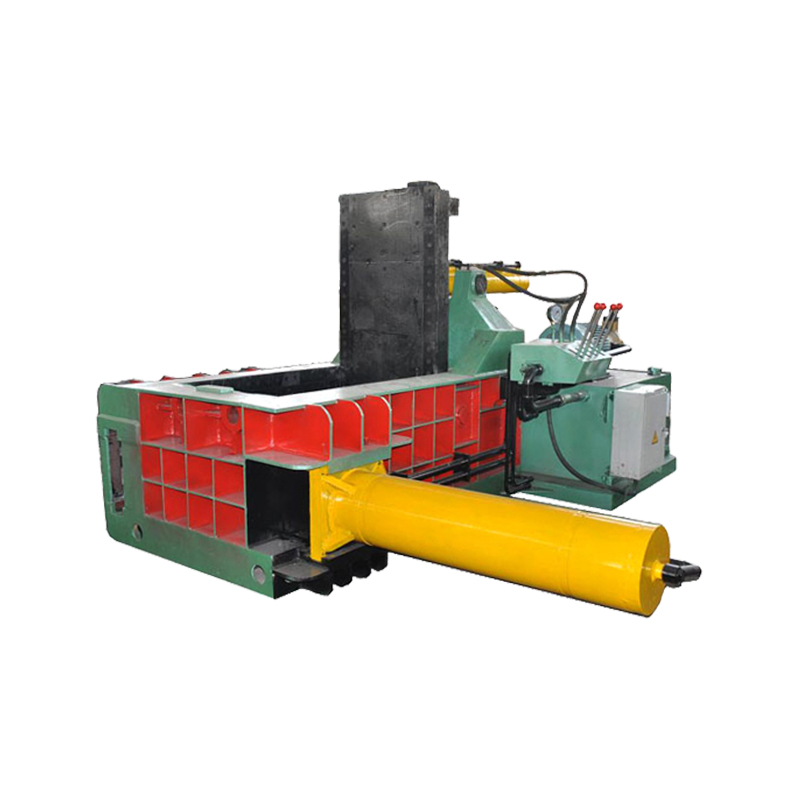
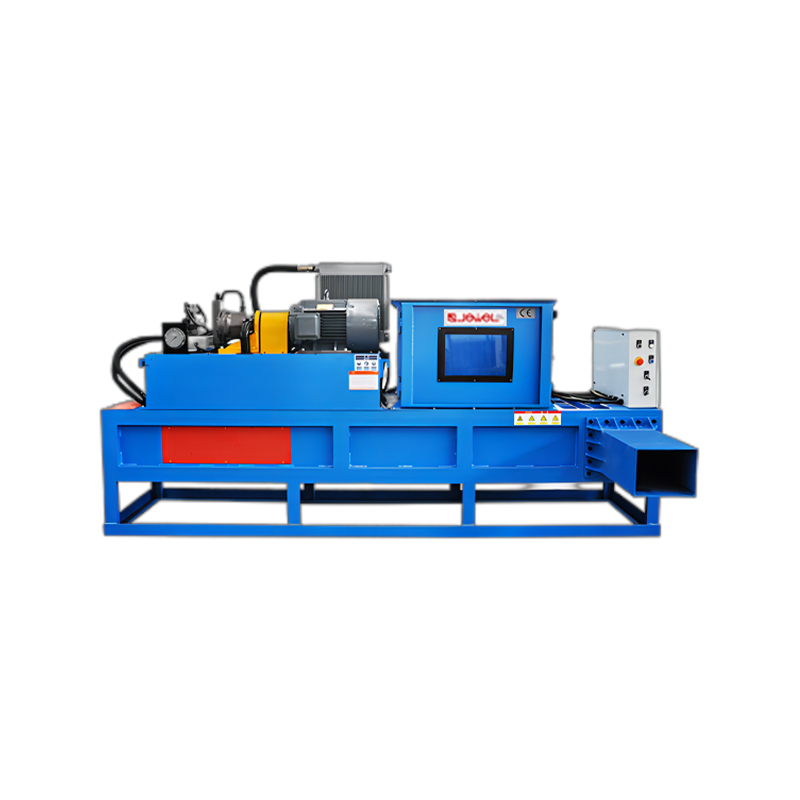
When dealing with large quantities of scattered metal scrap, a metal baler machine uses a hydraulic drive system to compress loose metal materials into high-density bales, significantly reducing material volume. These compressed metal blocks are not only easy to stack and store but also significantly improve loading efficiency and reduce transport frequency and logistics costs.
In terms of mechanical structure, modern equipment mainly consists of a feed hopper, compression chamber, main oil cylinder, side pusher cylinder, and bale discharge mechanism. The stability of its pressure system determines the quality of the compressed block. For sites requiring heavy-duty processing, the structural strength and sealing performance of the equipment are the foundations for ensuring long-term, high-load operation.
When handling specific thin metal materials, the aluminum can baler machine demonstrates extreme specialization. Because aluminum cans are thin and have low density, they occupy a large amount of space in their natural state. Through designed pressure multipliers and specific mold cavity structures, this type of machine can deeply compress aluminum cans into tight squares or cylindrical blocks.
Similarly, the aluminum baler machine requires precise pressure control when handling various aluminum plates, offcuts, and stampings. The compressed aluminum blocks maintain excellent geometric shapes, facilitating direct feeding into downstream smelting furnaces, effectively reducing oxidation loss during high-temperature processing and improving product yield.
To assist users in choosing the appropriate equipment based on actual output and space requirements, the following table compares key technical data for different specifications of metal balers:
| Technical Indicators | Small Metal Baler | Medium Metal Baler | Large Heavy-Duty Metal Baler |
| Main Pressure (Tons) | 60 - 100 | 120 - 250 | 300 - 600+ |
| Bale Dimensions (mm) | 400x400 | 600x600 | 800x800 |
| Production Efficiency (Bales/Hour) | 6 - 10 | 10 - 15 | 15 - 25 |
| Applicable Material Thickness (mm) | < 3 | 3 - 6 | 6 - 15 |
| Motor Power (kW) | 11 - 18.5 | 22 - 37 | 45 - 90+ |
When selecting equipment, users should focus on assessing daily material processing volume and material thickness. For scenarios requiring frequent aluminum can processing, priority should be given to feed opening dimensions and the stroke speed of the main cylinder. For industrial metal residues with greater thickness, the focus should be on the equipment's compaction force.
To ensure the long-term stable performance of a metal baler machine, standardized operation and maintenance procedures are essential. First, the oil level and viscosity of the hydraulic oil should be regularly checked to ensure power transmission efficiency and prevent system overheating. Second, the wear-resistant liner plates inside the compression chamber should be inspected periodically, and if severe wear is found, they should be replaced promptly to prevent pressure loss.
In daily operations, uniform feeding of materials is the key to improving baling efficiency. Avoiding uneven stacking in the hopper can reduce the asymmetric load on the oil cylinders, thereby extending the overall service life of the equipment. Through rigorous maintenance, the equipment can continuously provide high-standard compression quality to meet the processing requirements of various metal materials.
Through an in-depth understanding and rational configuration of metal balers, enterprises can effectively break the bottlenecks of scrap metal storage and transportation, optimize processes in the resource recycling cycle, and achieve more significant operational advantages in the metal recycling and processing chain.
Recommended products
In the context of the global circular economy and efficient industrial waste utilization, metal resource recycling demands higher equipment performance. Whether...
READ MOREEfficient Resource Recovery: The Core Role of a plastic baling machine in Modern Waste Management In the era of the circular economy, the efficient processing ...
READ MOREA properly engineered baler machine does more than compress waste — it changes how a facility manages space, labor, and outbound logistics. Whether the applic...
READ MOREThe Short Answer First A production manager in a corrugated packaging plant recently showed me two photographs. The first was a wall of baled cardboard and pla...
READ MOREMetal Recycling Equipment Guide How Does a hydraulic metal baler Actually Compress Scrap Metal Into Dense Blocks? A hydraulic metal baler machine converts loos...
READ MOREIn the modern industrial waste management and renewable resource circulation system, the efficient disposal of waste plastics has become a core link for enterpr...
READ MORE
Waste Types
Categories
 Custom Baling Press Machine Manufacturers