
 English
 中文简体
中文简体 русский
 日本語
日本語 Français
 Español
 عربى
عربىen
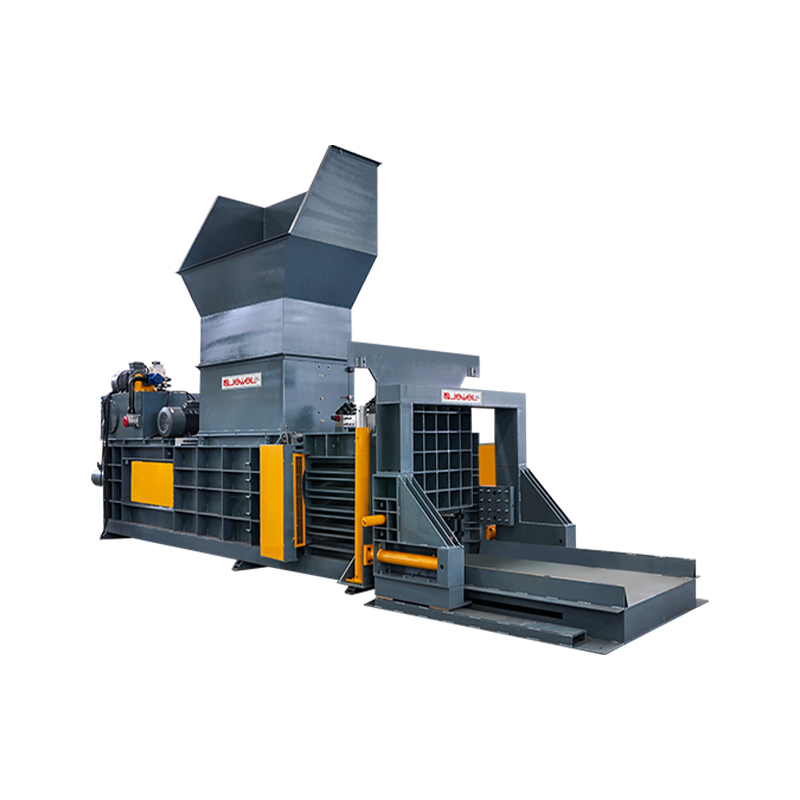
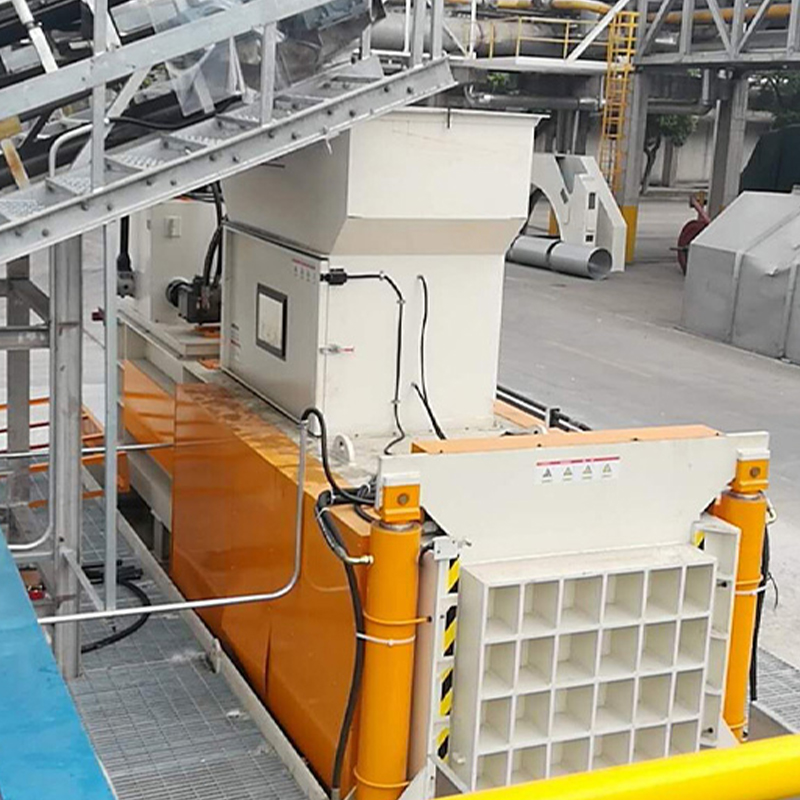
A waste discharge system collects waste generated along a production line and transports it to a baler or collection point through pneumatic conveyance, belt co...
READ MORE2026-05-15
Content
When selecting hydraulic balers, shredding and compaction systems, or waste discharge systems, the quality of the selection process directly determines long-term operating efficiency and on-site costs. Many customers focus heavily on equipment models and pricing before purchase, but pay insufficient attention to material information, site conditions, and downstream usage requirements. Missing these details is the primary reason projects require repeated plan revisions, on-site installation conflicts, and operational problems after delivery.
Material type is the most critical parameter in equipment selection. Waste paper, corrugated cardboard, waste plastics, fabric and fiber, sanitary products, aluminum foil, and confidential document destruction all have significantly different requirements for compression structure, pressure specifications, shredder tooling, and feeding methods.
Before consulting a supplier, customers are advised to prepare the following material information:
These details directly affect the matching selection of feed opening size, compression chamber depth, tooling material, and hydraulic pressure specifications.
Customers need to specify the volume of waste to be processed per hour or per day, along with the bale specifications they require. Bale targets include:
Bale size and weight are not purely a matter of machine pressure. They are also influenced by material characteristics, feed volume, and springback rate, and must be evaluated in combination with actual material conditions.
The downstream use of bales determines the compression strategy. Bales intended for resale or long-distance transport typically require higher density to reduce shipping volume. Bales that will be unbaled and reprocessed become harder to handle if compressed too tightly. Materials destined for incineration are subject to furnace entry size and combustion efficiency requirements that impose their own constraints on bale specifications.
Customers are advised to provide information on the downstream flow of materials when consulting to avoid misalignment in the solution design.
Site conditions relevant to equipment delivery and installation include:
Confirming these factors in advance can effectively prevent conflicts and rework during the installation phase.
To help the equipment supplier make an accurate initial assessment, customers are advised to prepare the following materials in advance:
What information should customers prepare before purchasing waste baling equipment?
It is recommended to prepare material photos or videos, maximum material dimensions, hourly or daily processing volume, target bale size and weight, downstream transportation or processing methods, workshop floor plan, doorway height, indoor clear height, floor load capacity, and whether trenches or pits are required. The more complete the information, the more accurate the solution design will be and the lower the likelihood of later revisions. If mixed materials are involved, listing each material type separately and noting whether they will be processed together or separately is especially helpful to the engineering team in making a precise recommendation.
Can I get a preliminary equipment recommendation without providing all this information?
A general directional recommendation is possible, but it carries a higher risk of plan adjustment later. Equipment selection involves the interaction of multiple parameters: material type affects compression chamber design, throughput affects motor and pump specifications, and site conditions affect whether the equipment can physically be installed. Providing incomplete information at the start often leads to a plan that looks complete on paper but requires significant revision once actual site conditions are reviewed. The more specific the input, the more reliable and cost-effective the solution output.
Why do suppliers ask for photos rather than just a written description of the material?
Photos reveal details that are difficult to express in words, including the actual bulk density of the material, how it clumps or spreads, surface texture, and visible contamination. For example, two customers may both describe their material as "waste plastic film," but one may have thin, flat sheets while the other has thick, crumpled industrial bags. These differences affect the required compression force, feed opening design, and expected springback rate. Photos also help engineers identify potential issues that the customer may not have considered, such as mixed hard plastics or metal contaminants that could damage tooling.
If you are evaluating waste baling equipment, you are welcome to contact the JEWEL team with material photos, processing volume, bale targets, and site conditions for an initial assessment of the equipment direction.
Recommended products
A waste discharge system collects waste generated along a production line and transports it to a baler or collection point through pneumatic conveyance, belt co...
READ MORECardboard shredders are commonly used for processing corrugated cardboard, carton offcuts, and printed packaging waste. However, a cardboard shredder is not des...
READ MOREManufacturing Insight Engineering Standards Behind Every Waste Crusher We Build Every waste crusher leaving our production floor is the result of a defined en...
READ MORECompliance Quality Audit Export Machinery A container full of steel and hydraulics sitting idle at a customs terminal is one of the most expensive delays a rec...
READ MOREOn modern ocean-going vessels, luxury cruise ships, and offshore platforms, solid waste management has always been a severe challenge. Due to the extremely limi...
READ MOREMetal Recycling Equipment Guide How Does a hydraulic metal baler Actually Compress Scrap Metal Into Dense Blocks? A hydraulic metal baler machine converts loos...
READ MORE
Waste Types
Categories
 Custom Baling Press Machine Manufacturers