
 English
 中文简体
中文简体 русский
 日本語
日本語 Français
 Español
 عربى
عربىen
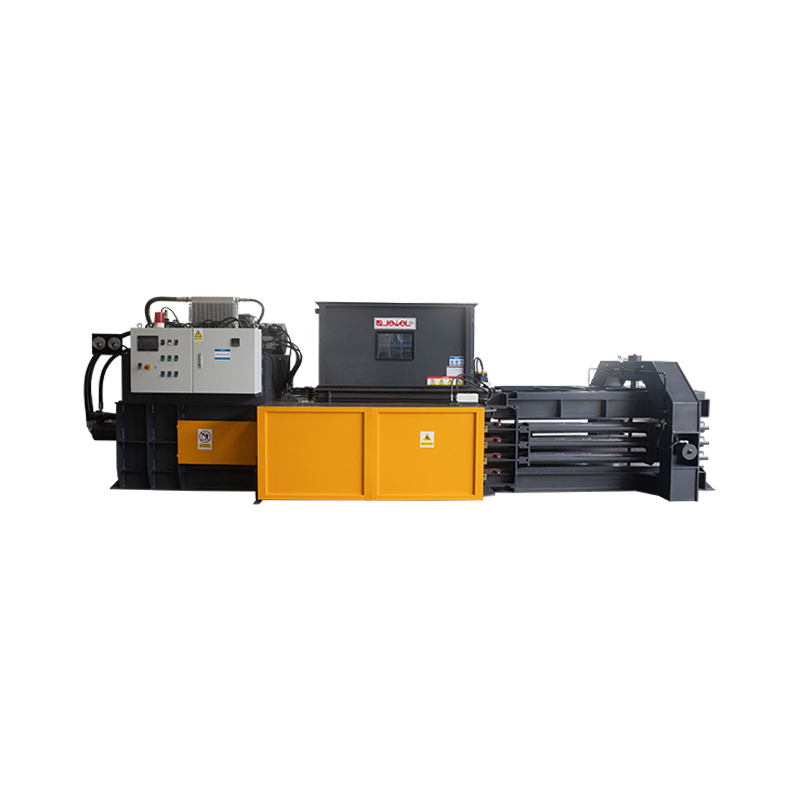
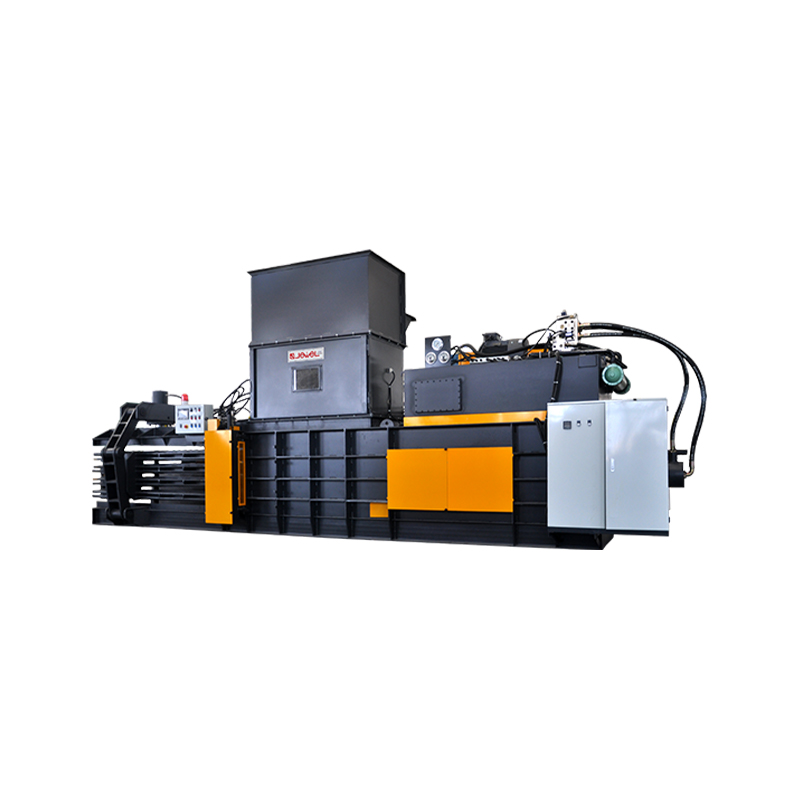
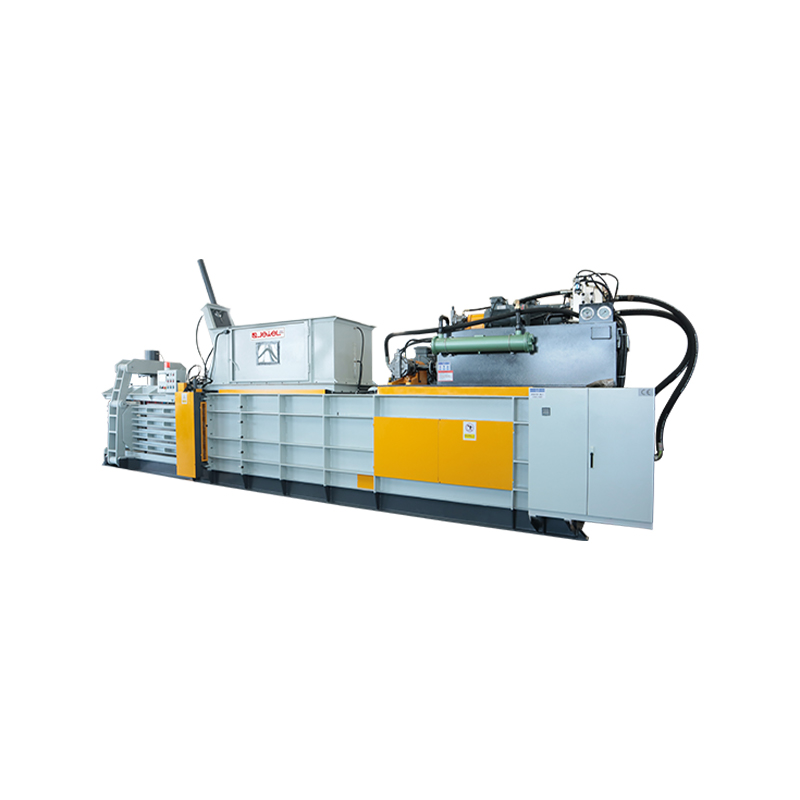
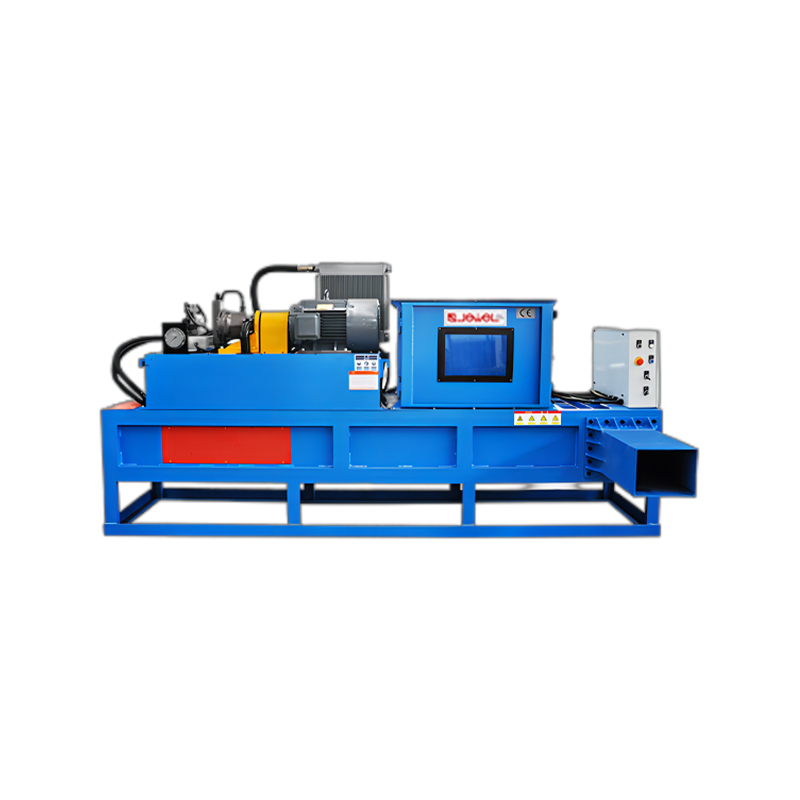
Manufacturing Insight Engineering Standards Behind Every Waste Crusher We Build Every waste crusher leaving our production floor is the result of a defined en...
READ MORE2026-05-15
Content
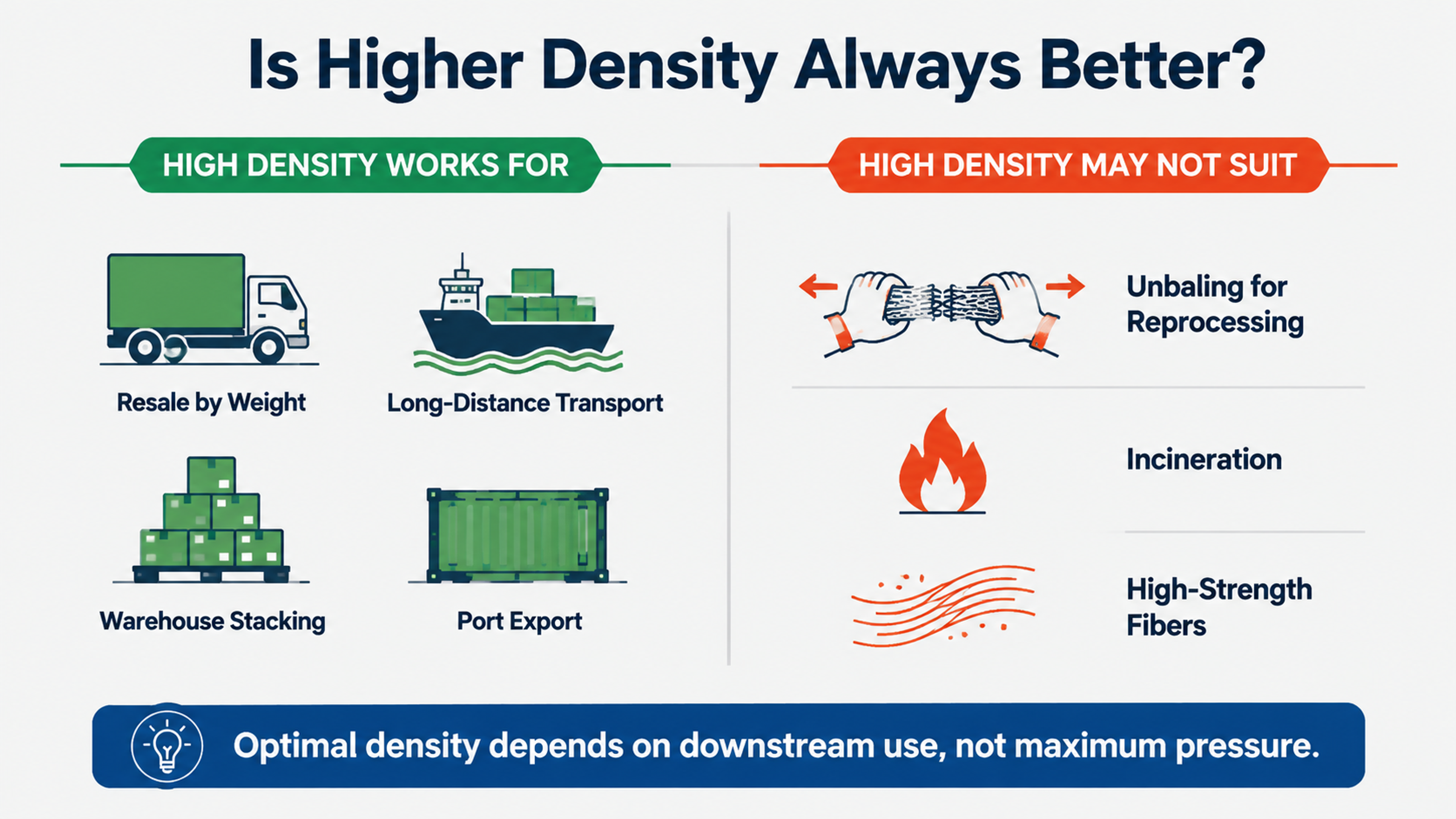
In the waste processing industry, compression density is one of the most commonly misunderstood metrics. Many customers assume that a denser, heavier bale is evidence of better equipment performance and a more effective solution. In practice, the optimal compression density depends entirely on what happens to the bale after it leaves the facility, not on maximising pressure for its own sake.
High-density bales offer clear advantages in the following scenarios:
High density is not the optimal choice in every situation. The following scenarios require careful evaluation:
The working pressure of a hydraulic baler, as set at the factory, is determined by a combination of structural strength, cylinder specifications, hydraulic system capacity, and engineering safety margins. It is not a parameter that can be freely adjusted upward.
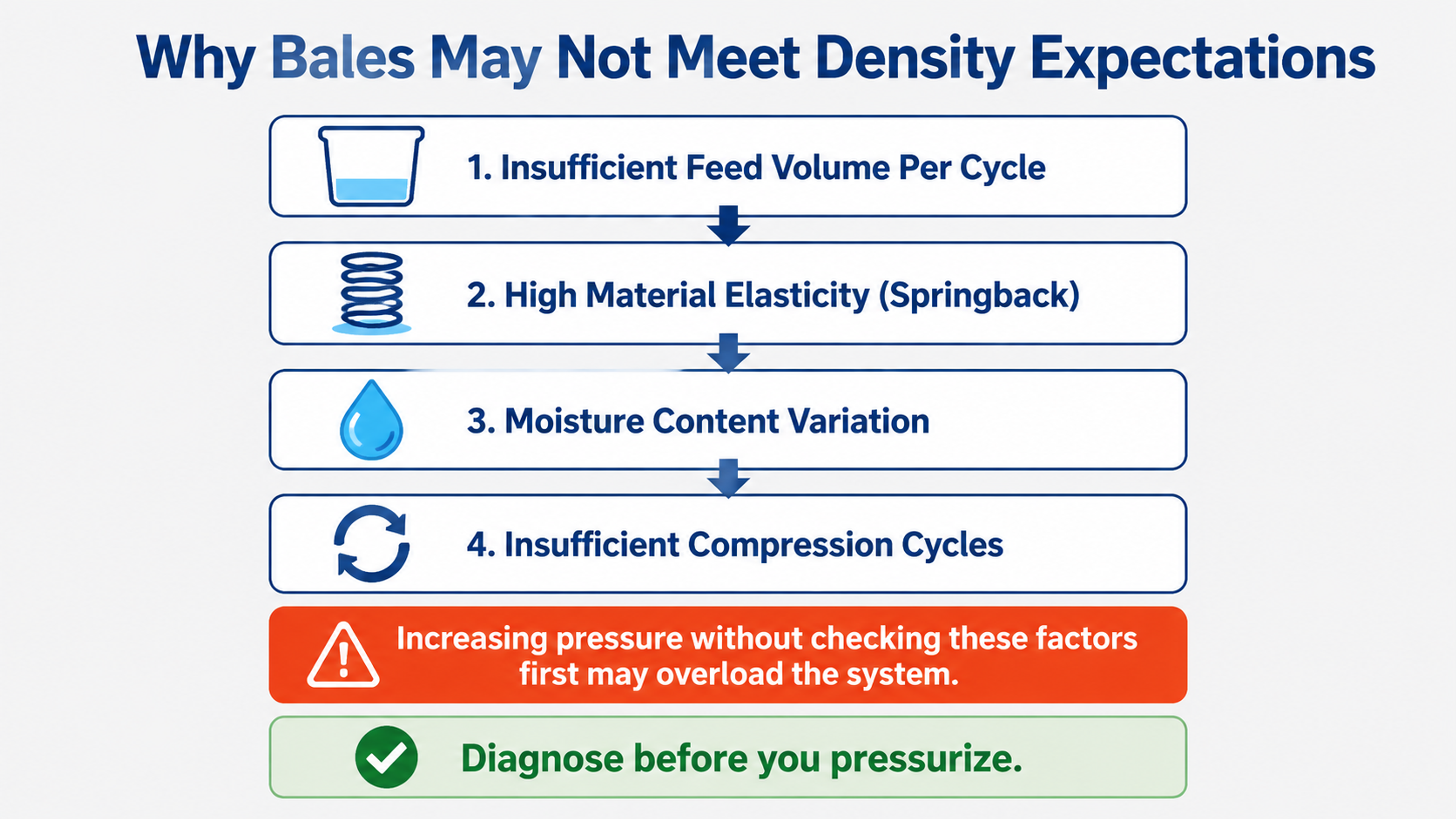
When a customer feels that bale density is not meeting expectations, the underlying causes may include:
Increasing pressure without first ruling out these factors will not reliably improve bale quality and may overload the hydraulic system and machine frame.
Before purchasing, customers are advised to clarify the following:
This information allows engineers to find a reasonable balance between compression density, ease of unbaling, and downstream processing efficiency, rather than simply maximising pressure parameters.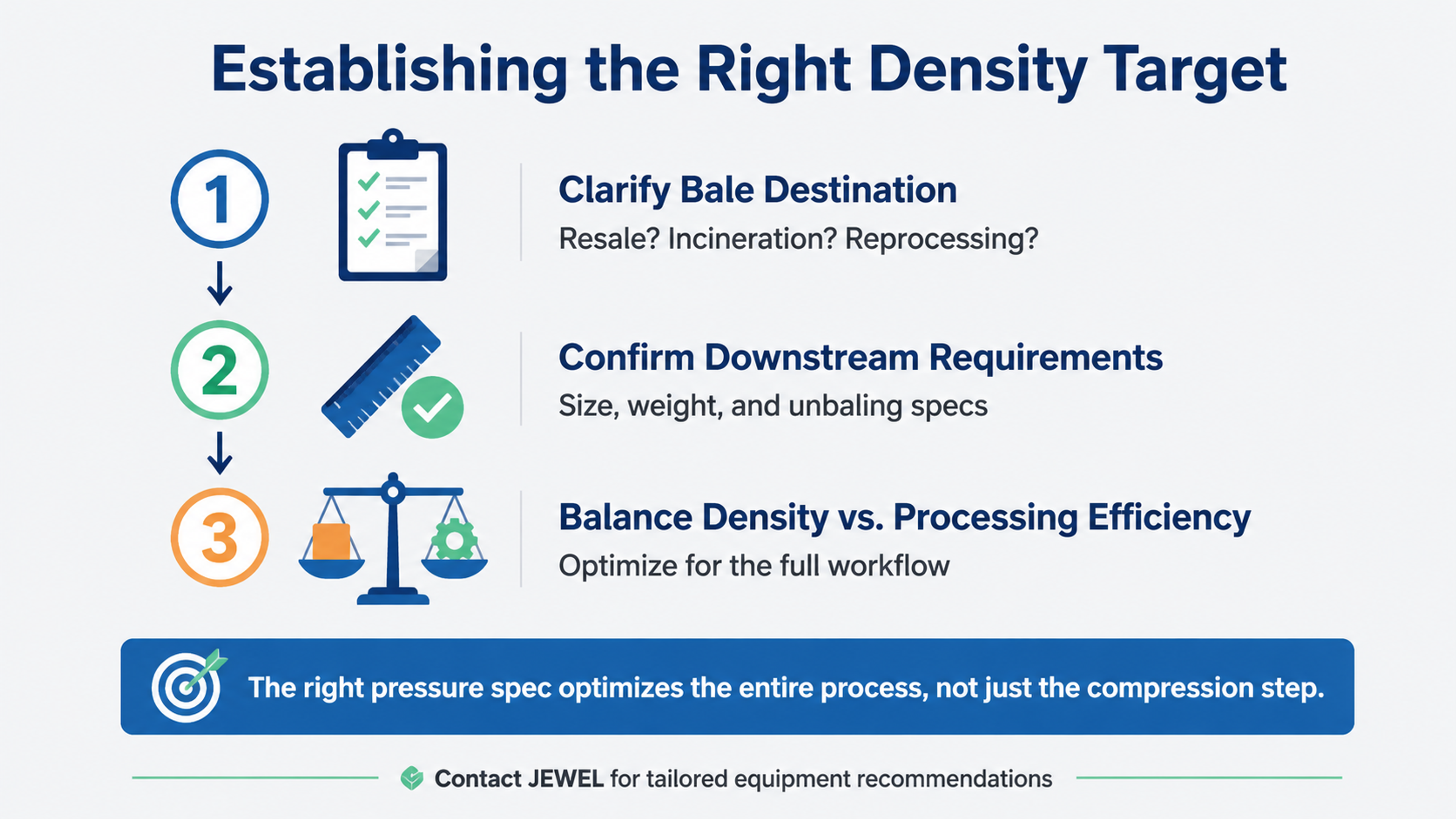
Should customers always choose the highest-pressure equipment available?
Not necessarily. Pressure and density requirements should be determined by downstream use. For transport and resale, high density is generally beneficial. For unbaling, reprocessing, or incineration, the optimal approach requires balancing compression effectiveness, ease of unbaling, and downstream processing efficiency. Choosing the highest available pressure without considering these factors risks creating bales that are technically impressive but practically difficult to handle at the next stage. The right pressure specification is the one that produces bales optimised for the full workflow, not just the compression step.
What if my downstream buyer asks for denser bales than my current equipment can produce?
The first step is to verify whether the current equipment is actually operating at its rated parameters. Low bale density is often caused by insufficient feed volume per cycle, moisture variation, or incorrect compression cycle settings rather than inadequate machine pressure. A technical review of operating parameters frequently resolves the issue without equipment replacement. If, after optimisation, the current machine genuinely cannot meet the required density for the material in question, an equipment upgrade or configuration change can be evaluated with specific data from the existing operation as a baseline.
Does a heavier bale always mean the equipment is working correctly?
Not directly. Bale weight is a function of both compression density and the amount of material fed per cycle. A bale can appear heavy because a large volume of material was loaded, even if the actual compression density is not high. Monitoring bale weight alongside bale dimensions gives a more accurate picture of compression performance. If the weight is lower than expected, checking feed volume consistency and moisture content before assuming a machine pressure issue is always the most productive first step.
If you are evaluating waste baling equipment, you are welcome to contact the JEWEL team with material information, processing volume, bale targets, and downstream use requirements to help match the right equipment model and pressure specification.
Recommended products
Manufacturing Insight Engineering Standards Behind Every Waste Crusher We Build Every waste crusher leaving our production floor is the result of a defined en...
READ MOREWhen selecting hydraulic balers, shredding and compaction systems, or waste discharge systems, the quality of the selection process directly determines long-ter...
READ MOREWhat Is a Baler for Cardboard? A packaging plant generating two tons of corrugated offcuts per day faces a familiar problem: loose cardboard fills a forty-yar...
READ MOREIn modern industrial waste management, volume reduction and density enhancement are key to efficient transport and resource circulation. As industrial productio...
READ MOREIn industrial manufacturing, material recycling, and urban waste management systems, solid waste volume reduction and resource utilization are core links to red...
READ MOREOn modern ocean-going vessels, luxury cruise ships, and offshore platforms, solid waste management has always been a severe challenge. Due to the extremely limi...
READ MORE
Waste Types
Categories
 Custom Baling Press Machine Manufacturers