
 English
 中文简体
中文简体 русский
 日本語
日本語 Français
 Español
 عربى
عربىen
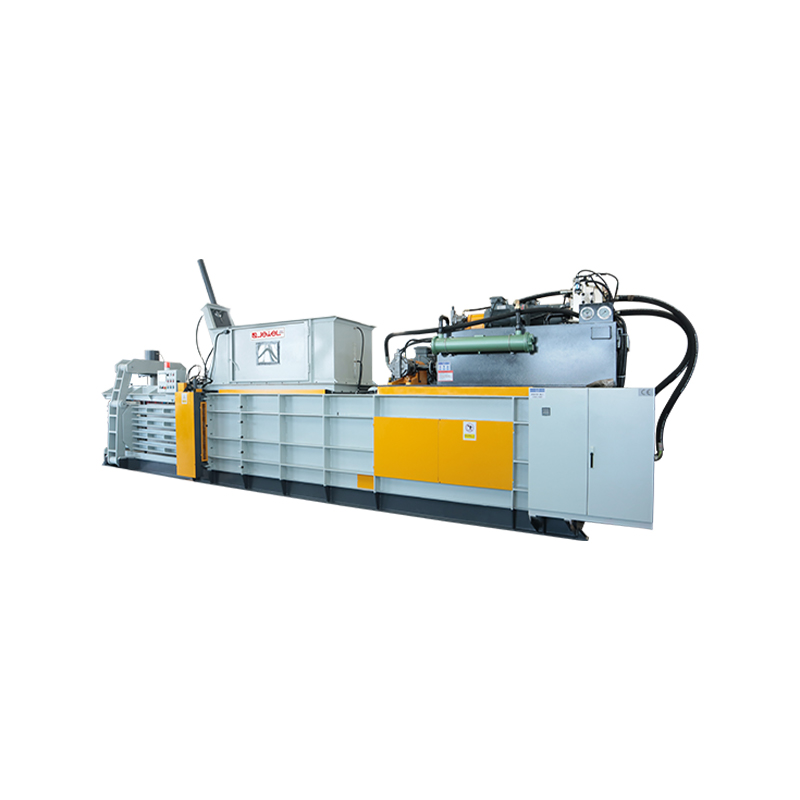
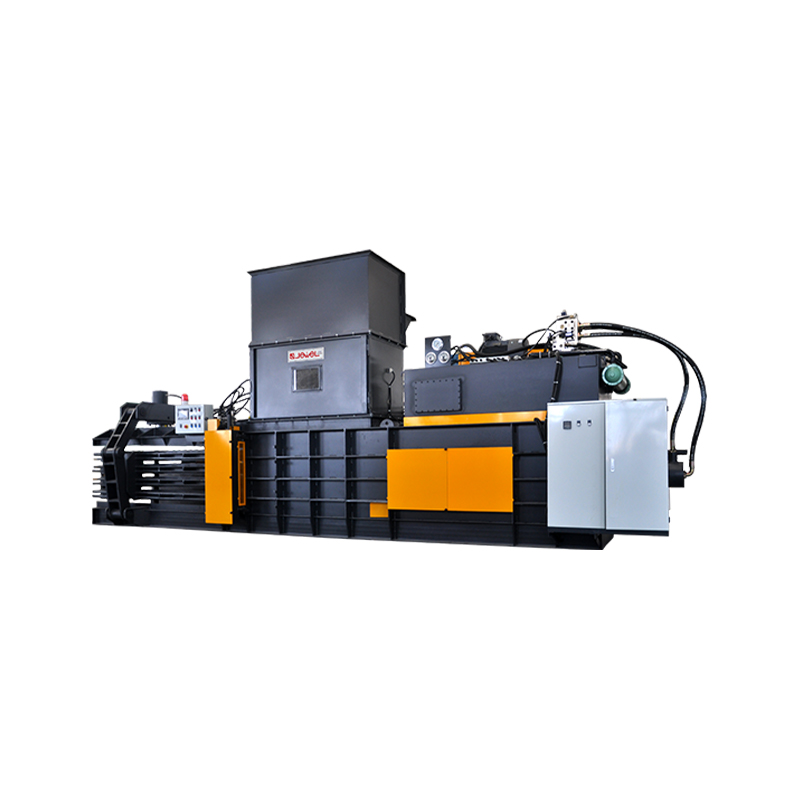
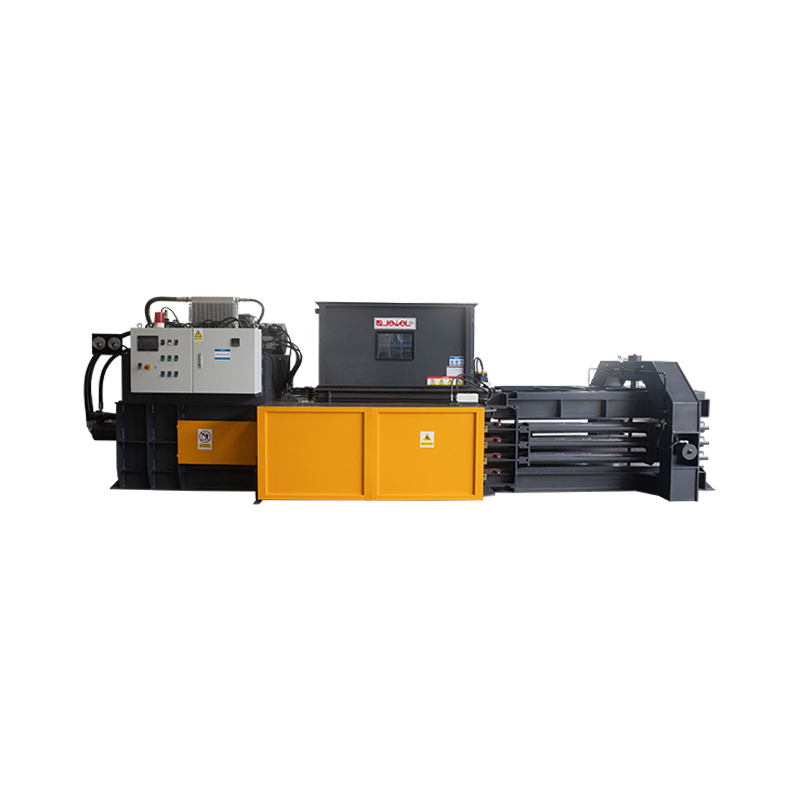
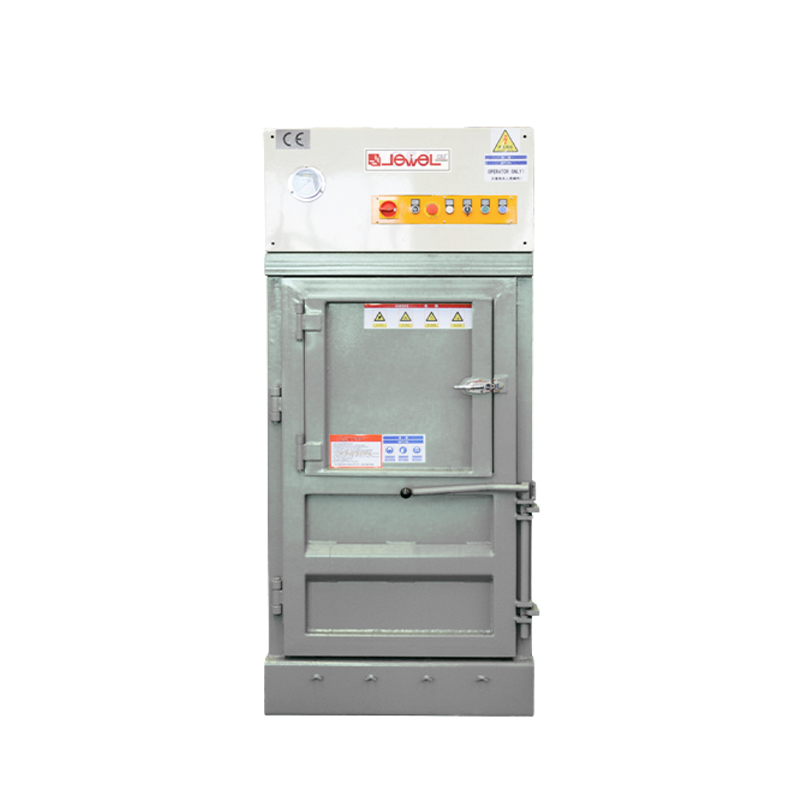
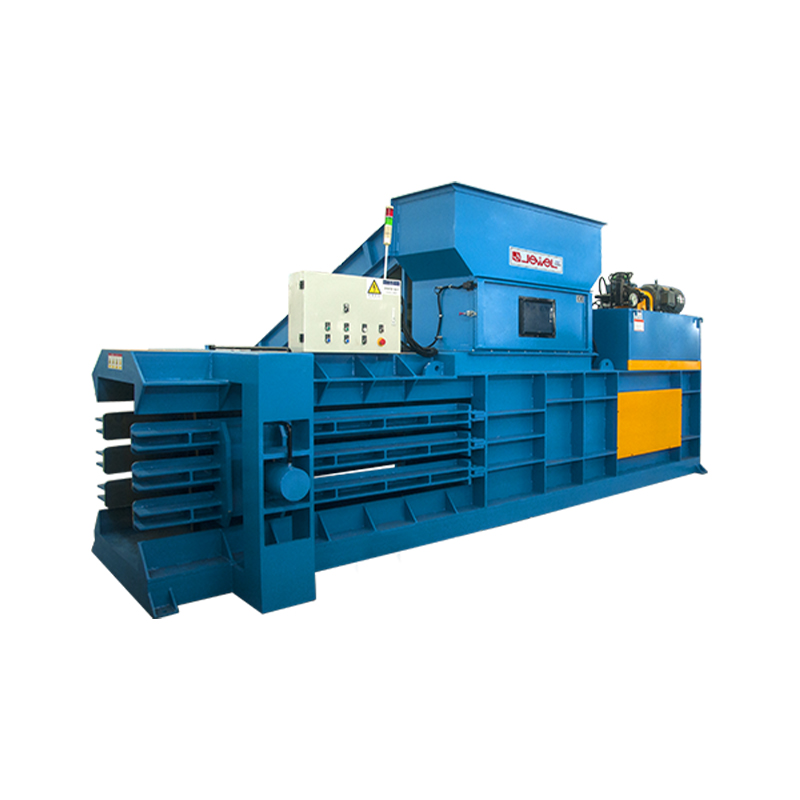
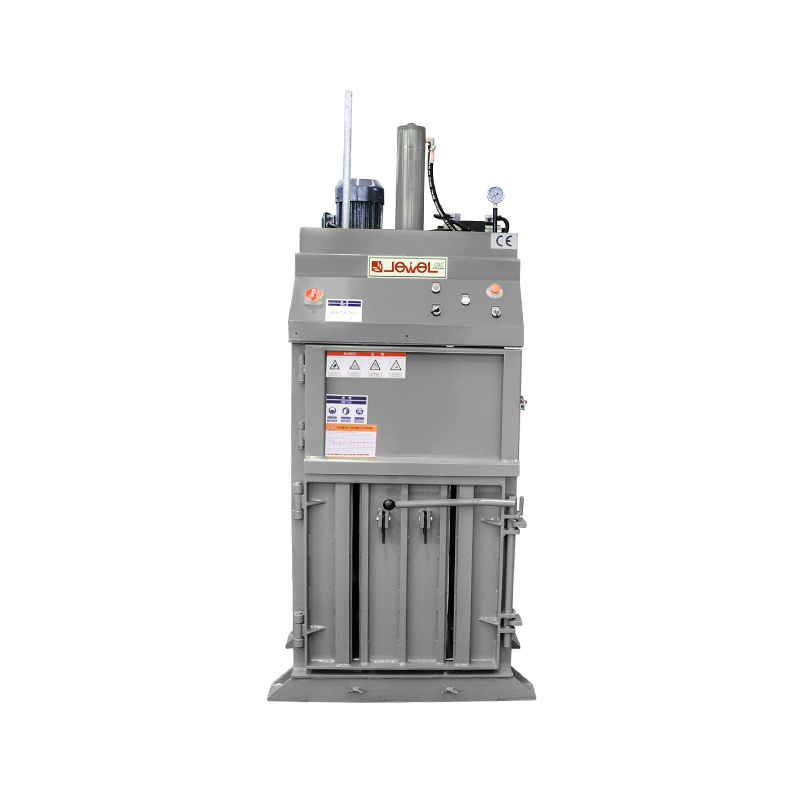
In industrial manufacturing, material recycling, and urban waste management systems, solid waste volume reduction and resource utilization are core links to red...
READ MORE2026-06-26
Content
In modern industrial waste management, volume reduction and density enhancement are key to efficient transport and resource circulation. As industrial production scales, managing massive waste streams has become a core production bottleneck. Whether in metal fabrication, pulp manufacturing, or plastic recycling, selecting the appropriate baling press machine is crucial for improving warehouse utilization and controlling logistics costs.
The hydraulic baler machine uses a high-pressure hydraulic system to drive a platen, compressing loose materials into dense, uniform bales. Its core advantage lies in the stability of its pressure output. Hydraulic systems provide constant compaction force, ensuring that materials do not spring back during compression, thereby achieving extremely high bale density.
In practical applications, the hydraulic system usually consists of a motor, hydraulic pump, control valve bank, and hydraulic cylinder. For high-strength materials, such as those processed by a scrap metal baler, the system must possess exceptional sealing and wear resistance to withstand frequent operation under high-pressure environments. Through precise pressure regulation, operators can set the optimal compaction ratio based on the physical characteristics of different materials, maximizing weight per unit volume.
The physical properties of different materials dictate the design parameters of the equipment. Targeted equipment selection is a prerequisite for ensuring production efficiency:
scrap metal baler: Focuses on metal shavings, lathe turnings, and scrap metal plates. Such equipment is typically equipped with thickened wear-resistant steel plate liners and includes shear blades for processing long metal strips to prevent jamming.
paper baler: Primarily used in cardboard factories, printing plants, and paper recycling centers. These machines prioritize fast loading and efficient strapping, typically featuring automated wire-tying systems to accommodate high-frequency paper processing needs.
plastic baling machine: Targeted at PET bottles, plastic films, and other elastic materials. Due to the high elasticity of plastics, these balers often incorporate a "dwell" function, where the platen stays at the compression endpoint for several seconds to stabilize the material structure before strapping.
scrap press machine: Typically serves as a general-purpose pressure device, widely used for the primary compression of mixed industrial waste. Its compact structure makes it suitable for production environments with limited floor space.
| Equipment Type | Drive Mode | Max Compaction Force (kN) | Typical Bale Size (mm) | Applicable Material Characteristics |
| scrap metal baler | Heavy-duty Hydraulic | 1000 - 4000 | 600 x 600 | High compressive strength, hard metal |
| paper baler | Medium-duty Hydraulic | 200 - 800 | 1200 x 800 | Low compressive strength, fibrous materials |
| plastic baling machine | Hydraulic/Pneumatic | 300 - 600 | 1000 x 700 | High elasticity, plastic materials |
| metal baler | Full-auto Hydraulic | 800 - 2500 | 800 x 600 | Mixed metal components |
In daily operations, increasing the output efficiency of a metal baler depends not only on mechanical performance but also on the setting of operational parameters. First, feeding uniformity directly affects the compression cycle time. Second, monitoring the temperature of the hydraulic oil is key to safeguarding long-term system stability; it is recommended to regularly check hydraulic oil pressure indicators to ensure readings fall within the standard operating range.
For enterprises handling large-scale waste, the degree of automation integration in a scrap press machine is vital. Through sensor linkage, systems can achieve automatic sensing, compression, strapping, and bale ejection. This not only reduces manual intervention but also effectively prevents equipment downtime caused by human error. Furthermore, for users needing to frequently switch material types, it is recommended to configure an electronic control system with multi-stage pressure presets, allowing for rapid processing adjustments from paper-based to metal-based materials through simple mode switching.
Recommended products
In industrial manufacturing, material recycling, and urban waste management systems, solid waste volume reduction and resource utilization are core links to red...
READ MOREIn the context of the global circular economy and efficient industrial waste utilization, metal resource recycling demands higher equipment performance. Whether...
READ MOREThe Short Answer First A production manager in a corrugated packaging plant recently showed me two photographs. The first was a wall of baled cardboard and pla...
READ MOREAgainst the backdrop of resource recycling and industrial emission reduction, efficient material compaction technology has become an indispensable link in many ...
READ MOREWhat Is a Vertical Plastic Baler and How Does It Work? If your facility is dealing with growing piles of plastic waste — bottles, film, containers, packaging — ...
READ MOREINDUSTRY GUIDE Waste Compression and Material Handling What Is a Horizontal Baler and Which Type Fits Your Material? Horizontal balers compress large volumes...
READ MORE
Waste Types
Categories
 Custom Baling Press Machine Manufacturers