
 English
 中文简体
中文简体 русский
 日本語
日本語 Français
 Español
 عربى
عربىen
After hydraulic baling is complete, many customers notice that the actual bale dimensions are larger than the compression chamber and that the bale continues to...
READ MORE2026-05-15
Content
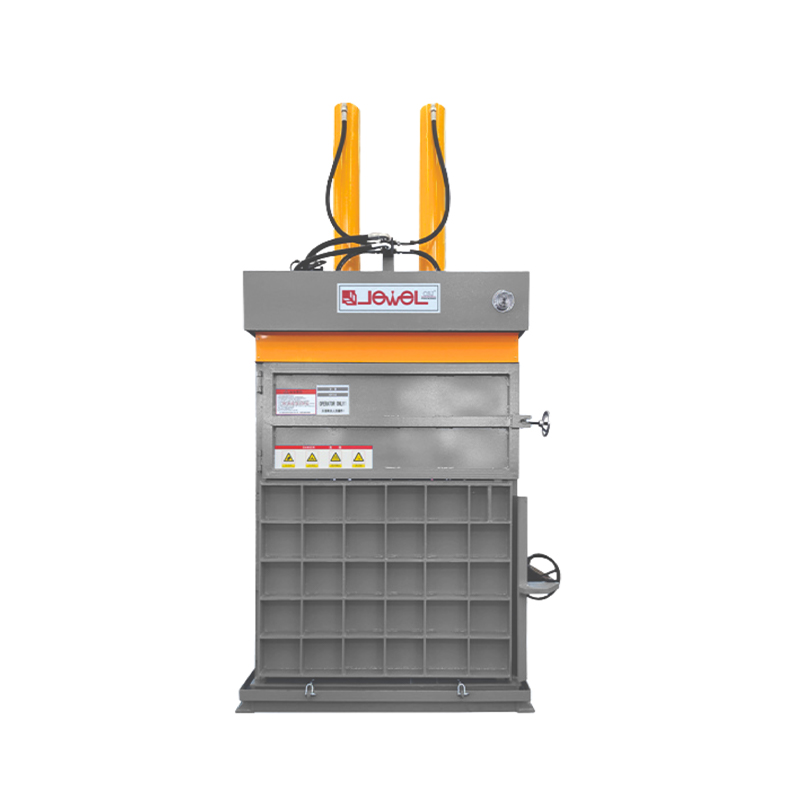
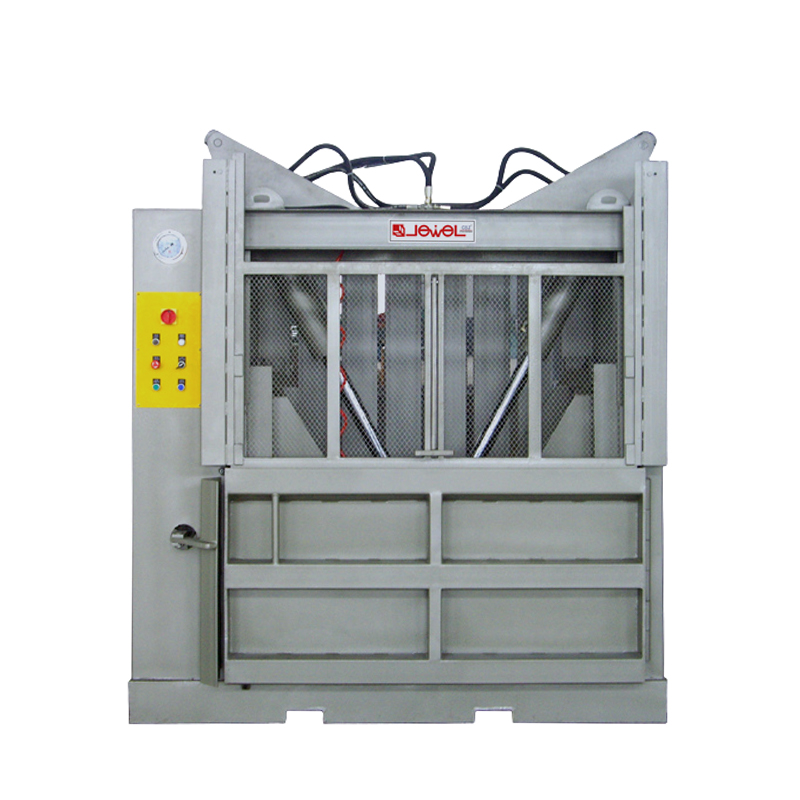
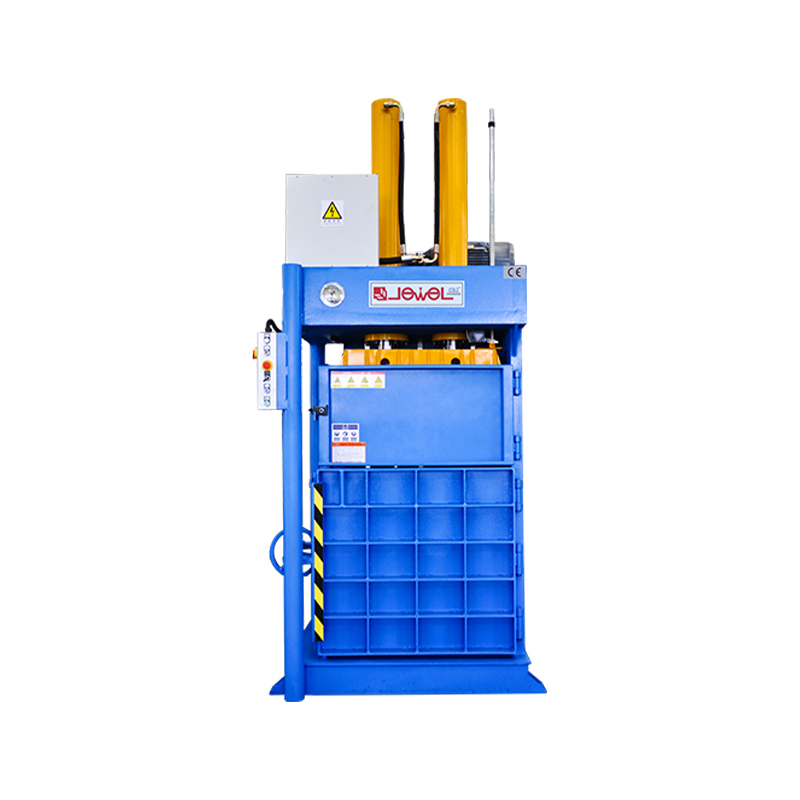
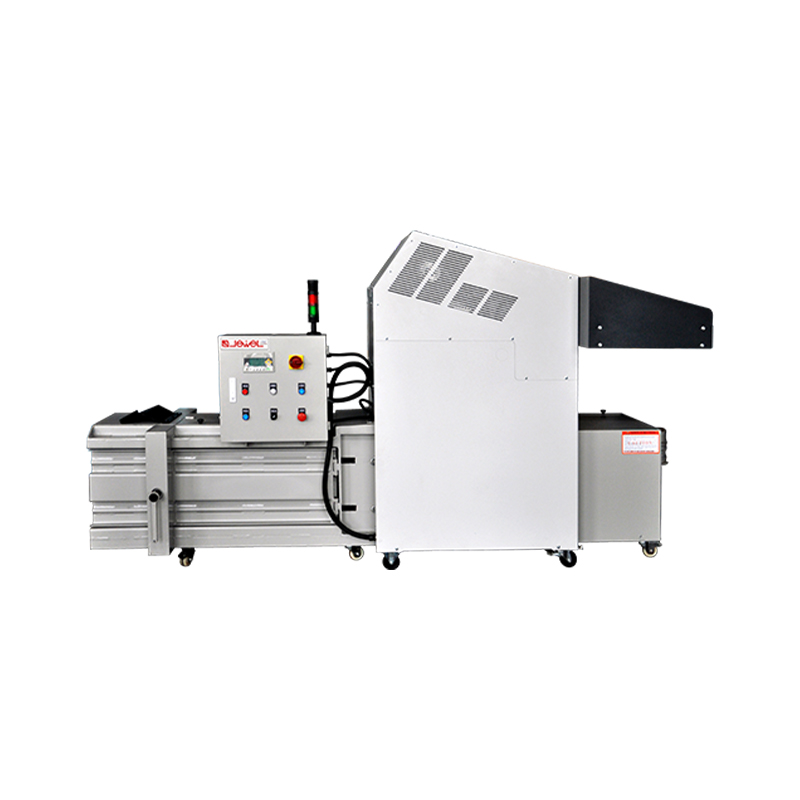
During the installation phase of a hydraulic baler, fitting within the available floor space and completing the installation are two entirely different things. Many customers confirm only the equipment's footprint dimensions before signing a contract, while overlooking critical factors such as the entry route, lifting requirements, floor load capacity, and maintenance clearance. When these factors are only discovered during installation, the result is construction downtime and additional retrofit costs that could have been avoided.
Large hydraulic balers are typically transported in a horizontal orientation and must be maneuvered and stood upright after entering the workshop. This process imposes strict requirements on doorway dimensions:
Before equipment is dispatched, it is advisable to confirm the transport dimensions of the equipment in its horizontal orientation with the manufacturer, then verify these against the actual entry route through the workshop on a point-by-point basis.
For installations on second floors, mezzanines, or locally reinforced slabs, floor load capacity must be confirmed before installation proceeds. Load sources to account for include:
Floor load capacity typically needs to be verified against the original building structural drawings or assessed by a structural engineer on site. Large equipment should not be moved into the facility before load capacity has been confirmed.
Hydraulic balers require regular maintenance during operation, including hydraulic oil changes, seal inspections, and tooling or pusher plate servicing. If insufficient maintenance space is left during installation, the practical consequences include:
During the equipment layout phase, it is recommended to pre-allocate sufficient operating and service corridors on the floor plan based on the maintenance space requirements provided by the equipment manufacturer.
To help the equipment manufacturer develop an accurate installation plan, customers are advised to provide the following before installation:
If the equipment dimensions are smaller than the space available, can installation proceed without further checks?
Not necessarily. Equipment dimensions represent only the static footprint. The installation process also requires confirming doorway height, aisle width, indoor clear height, floor load capacity, forklift operating space, and post-installation maintenance clearance. A machine that fits the floor space may still be impossible to bring in through the entrance, impossible to stand upright under the ceiling, or impossible to maintain without removing surrounding fixtures afterward. Providing site photographs, a floor plan, and the planned entry route before installation allows the technical team to identify conflicts in advance rather than discovering them when the equipment is already on site.
Why does the forklift weight need to be considered separately from the equipment weight?
A loaded forklift carrying heavy equipment delivers its load to the floor through a small number of contact points, creating a concentrated point load that is structurally more demanding than the same total weight distributed evenly across a larger area. When a forklift is used to position equipment on a second floor or mezzanine, the peak floor stress under the forklift wheels during maneuvering can significantly exceed what would be calculated from the equipment weight alone. This is why both the equipment weight and the forklift specifications need to be part of the load capacity assessment for elevated installations.
How much maintenance clearance is typically needed around a hydraulic baler?
The specific clearance requirements depend on the equipment model, as access panel locations, hydraulic component positions, and bale ejection direction vary. The equipment manufacturer should provide a recommended maintenance clearance specification as part of the installation documentation. As a general principle, the hydraulic service side requires enough space to fully open access panels and work inside them, the bale ejection side requires a forklift operating room, and the electrical cabinet front requires standing access. These requirements should be laid out on the floor plan before finalizing the installation position, because repositioning an installed baler after the fact is a significant undertaking.
If you are planning a hydraulic baler installation, you are welcome to contact the JEWEL team with your site floor plan and photographs to identify installation condition risks in advance and reduce on-site conflicts.
Recommended products
After hydraulic baling is complete, many customers notice that the actual bale dimensions are larger than the compression chamber and that the bale continues to...
READ MOREMetal Recycling Equipment Guide How Does a hydraulic metal baler Actually Compress Scrap Metal Into Dense Blocks? A hydraulic metal baler machine converts loos...
READ MORECompliance Quality Audit Export Machinery A container full of steel and hydraulics sitting idle at a customs terminal is one of the most expensive delays a rec...
READ MOREAfter a waste baling machine has been installed, commissioned, and formally handed over, many customers assume that the instruction manual is sufficient and tha...
READ MOREA waste discharge system collects waste generated along a production line and transports it to a baler or collection point through pneumatic conveyance, belt co...
READ MOREThe Short Answer First A production manager in a corrugated packaging plant recently showed me two photographs. The first was a wall of baled cardboard and pla...
READ MORE
Waste Types
Categories
 Custom Baling Press Machine Manufacturers