English
 中文简体
中文简体 русский
 日本語
日本語 Français
 Español
 عربى
عربىPAPER
Waste Paper
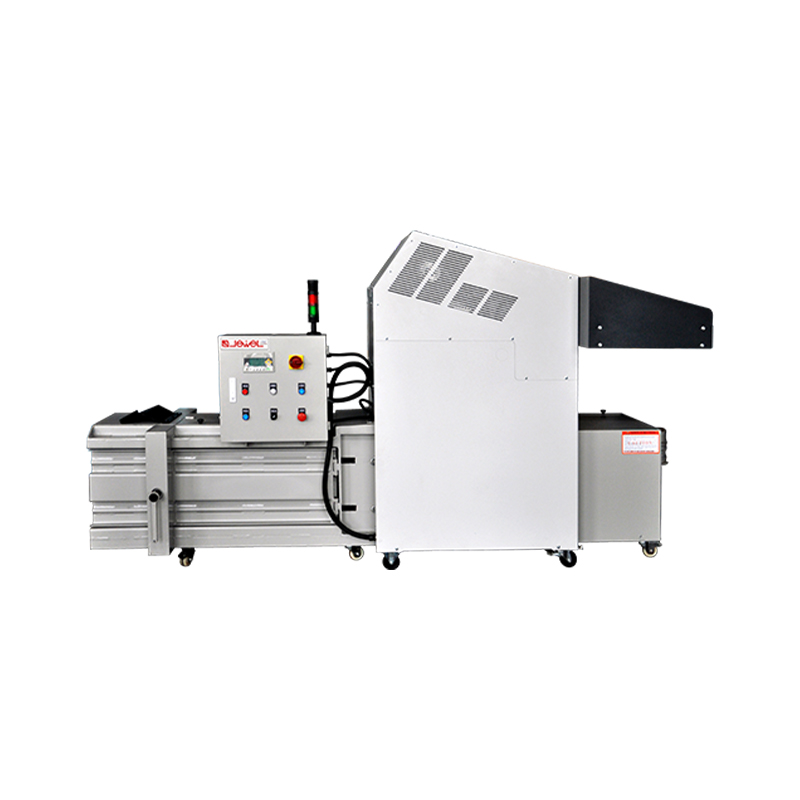
Office paper, printed sheets, paper trim and mixed dry paper can be compressed into stable bales when feeding is uniform.
2026-07-17
Content
Waste Compression and Material Handling
Horizontal balers compress large volumes of cardboard, waste paper, plastic film, textile scraps and other recyclable materials into dense, transportable bales. Compared with small manually loaded machines, horizontal systems are designed for continuous feeding, higher throughput and more consistent bale formation.
Basic Equipment Knowledge
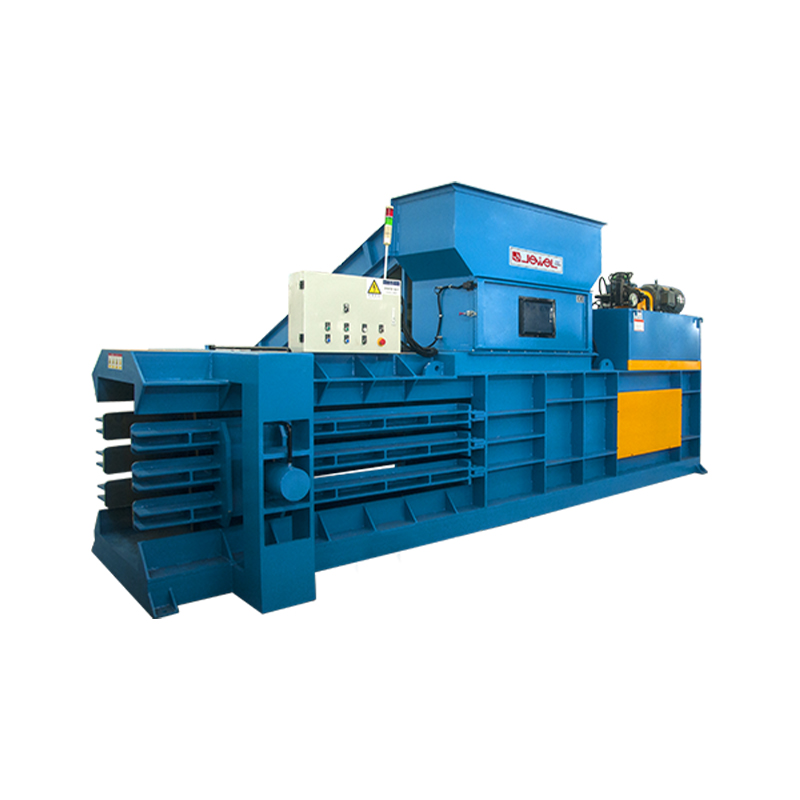
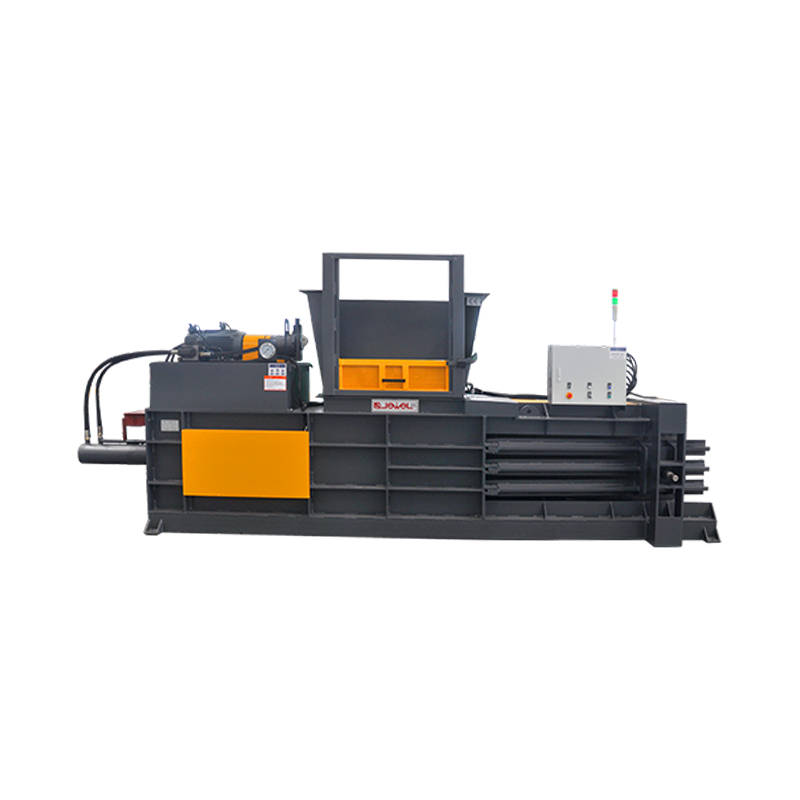
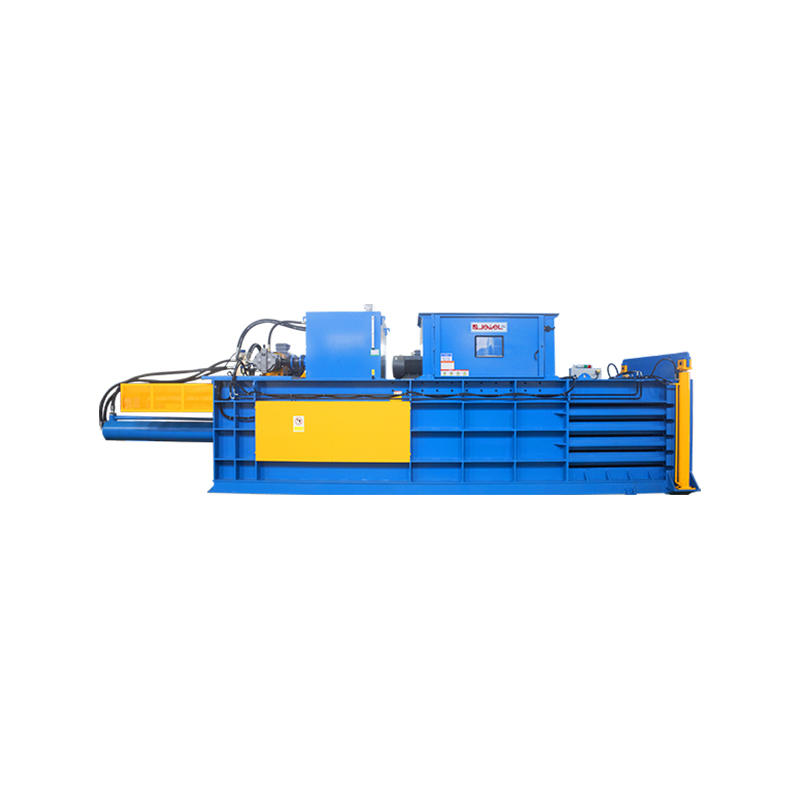
A horizontal baler is an industrial compression machine with a horizontally moving platen. Loose material enters a compression chamber through a hopper, conveyor or feeding opening. The hydraulic system drives the platen forward, compressing the material against the chamber or previously formed bale.
Once the programmed bale length or compression cycle is reached, the material is tied with wire or another suitable binding method. The completed bale is discharged horizontally, allowing the machine to continue receiving material with minimal interruption.
Modern horizontal balers can be integrated with conveyors, shredders, sorting lines and centralized material collection systems. Their continuous operating structure makes them suitable for facilities where loose materials are generated throughout the working day.
Machine Structure
Cardboard, paper, film or other compressible material enters through a conveyor, hopper or manual feeding platform.
A hydraulic platen compresses the loose material inside the chamber according to pressure, time or bale-length settings.
Repeated compression cycles create a dense rectangular bale with stable dimensions and controlled weight.
The finished bale is tied, pushed out of the chamber and prepared for storage, loading or transportation.
Machine Orientation and Capacity
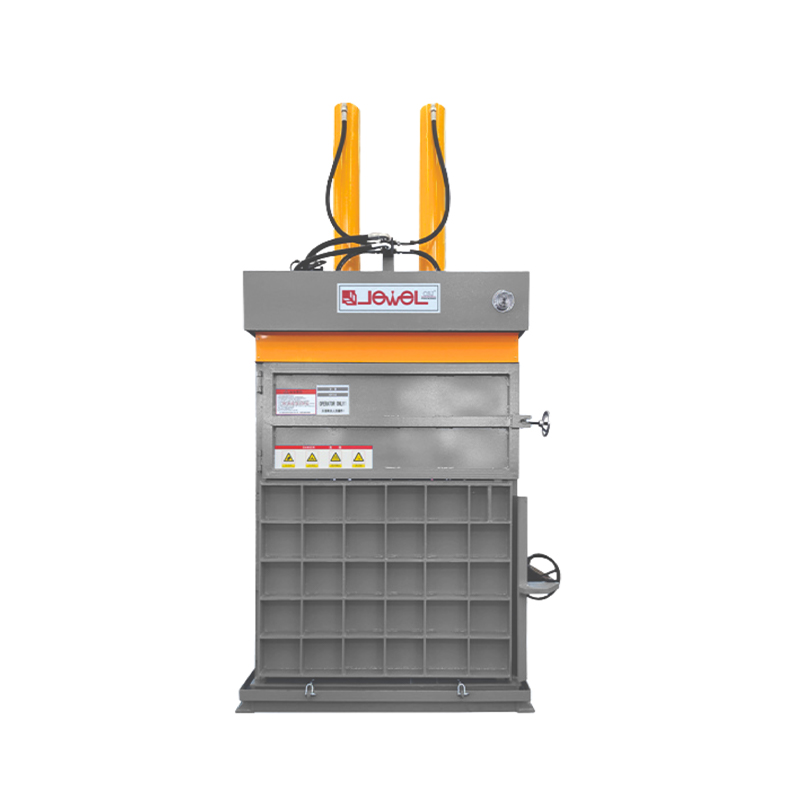
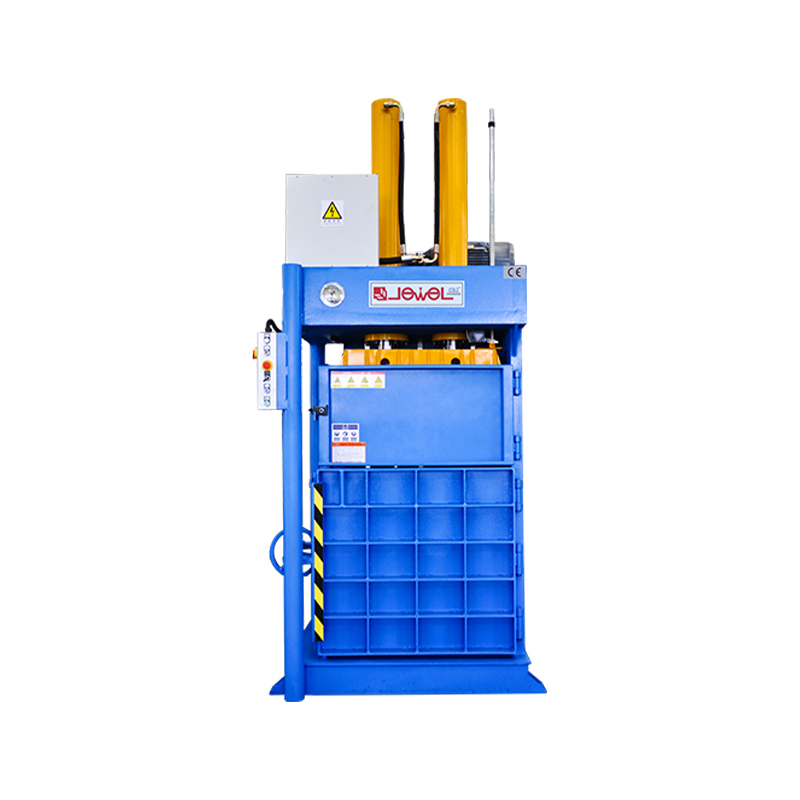
The main difference lies in compression direction, feeding method, production capacity and operating workflow. A vertical baler compresses material downward and usually requires an operator to load the chamber, start the cycle, tie the bale and remove it. A horizontal baler compresses material sideways and can support continuous feeding.
A vertical baler is often selected when material volume is limited and installation space is restricted. A horizontal baler becomes more suitable when material arrives continuously, labor reduction is important or larger bales are required.
Automatic Tying Systems
Auto tie horizontal balers automatically complete the binding process after the bale reaches the specified length or compression condition. The operator does not need to stop the production cycle and manually pass wire through the bale.
Automatic tying reduces interruptions between completed bales and supports stable conveyor feeding.
Programmed wire feeding and tension control help produce repeatable tying results.
Operators can focus on feeding quality, system monitoring and bale removal rather than manual tying.
Auto tie horizontal balers can work with sorting, shredding and centralized collection equipment.
Cardboard Processing
Horizontal cardboard balers are designed to process corrugated cartons, box offcuts, packaging board and mixed waste paper. Cardboard occupies substantial storage space in loose form because empty boxes contain large volumes of air. Compression reduces this volume and creates bales that are easier to stack, count and transport.
Large cartons should be flattened or controlled through a suitable feeding opening. Oversized pieces may bridge inside the hopper, while heavily folded cardboard can create uneven chamber filling.
Wet cardboard may produce unstable bale weights and increased rebound. Excessive moisture can also contaminate the chamber and reduce the storage quality of completed bales.
Dry cardboard produces paper dust that can collect around sensors, cooling systems and electrical filters. Regular cleaning supports stable machine operation.
Production-Line Integration
An inline baler is installed as part of a continuous material-processing line. Material moves directly from a sorting station, shredder, production machine, dust collection system or conveyor into the baler without being transferred to a separate temporary storage area.
The baler becomes one stage within the complete workflow. Sensors, conveyors and control signals coordinate material feeding, compression, tying and bale discharge.
Application Matching
Office paper, printed sheets, paper trim and mixed dry paper can be compressed into stable bales when feeding is uniform.
Corrugated cartons and packaging board are common materials for horizontal cardboard balers.
Stretch film, packaging film and soft plastic require controlled feeding and sufficient tying strength.
Fabric offcuts, fibers and soft production waste can be compressed when long strips are prevented from wrapping around moving components.
Bottle processing may require perforation, cap management or specific feeding arrangements to release trapped air.
Highly elastic foam requires suitable holding time, chamber design and binding strength to control bale rebound.
Small-Scale Equipment Selection
The best baler for a small farm depends on the material being compressed. Farm applications may involve feed bags, cardboard packaging, plastic film, crop-related packaging and other dry recyclable waste. A large automated system is not always necessary.
Suitable when waste is loaded occasionally and manual operation is acceptable.
Suitable when packaging waste is generated continuously and requires organized storage.
Suitable when material comes directly from a sorting or processing area.
Wet organic matter, soil, metal and stones should not enter a standard recyclable-material baler.
A recycling baler for cardboard, film and packaging waste is different from a field baler used to collect hay or straw. The machine should be selected according to the exact material and operating environment.
Technical Selection
Selection Path
Operating Quality
A suitable machine cannot compensate for inconsistent feeding or unsuitable material preparation. Bale quality depends on the interaction between equipment settings, material condition and operator practice.
Avoid loading one side of the chamber more heavily than the other.
Remove metal, stones, wood and other hard objects before feeding.
Wet paper and cardboard can create unstable density and storage problems.
Adjust pressure, holding time and bale length for each material category.
Loose, damaged or incorrectly positioned wire can allow the bale to expand.
Bale weight and cycle time records reveal changes in feeding or machine performance.
Buyer and Operator Questions
Many machines can process both materials, but pressure, holding time, feeding speed and tying tension may need adjustment. Material should normally be baled separately to maintain consistent bale quality.
No. Horizontal machines may use manual, semi-automatic or fully automatic tying. The appropriate configuration depends on production capacity, labor availability and operating budget.
Required space includes the machine body, conveyor, hydraulic unit, bale discharge area, electrical cabinet access and maintenance clearance. Layout planning should be completed before manufacturing.
Material type, loose density, largest material size, hourly volume, desired bale weight, feeding method, available space and local electrical supply are important selection details.
Actual throughput depends on loose material density, feeding continuity, conveyor efficiency, operator practices, compression settings and the time required for tying and bale discharge.
Small amounts of moisture may be manageable, but heavily wet cardboard can affect bale stability, machine cleanliness, storage conditions and downstream material quality.
Machine Configuration Information
Accurate material and site information allows the pressing force, chamber size, conveyor, tying system and electrical configuration to be matched to the actual operating requirement.
Recommended products
On modern ocean-going vessels, luxury cruise ships, and offshore platforms, solid waste management has always been a severe challenge. Due to the extremely limi...
READ MOREThe Short Answer First A production manager in a corrugated packaging plant recently showed me two photographs. The first was a wall of baled cardboard and pla...
READ MOREHorizontal Balers for High-Volume Material Compaction: A Technical Overview Manufacturing plants, distribution centers, and recycling facilities that generate ...
READ MOREMetal Recycling Equipment Guide How Does a hydraulic metal baler Actually Compress Scrap Metal Into Dense Blocks? A hydraulic metal baler machine converts loos...
READ MOREWhat Is a Vertical Plastic Baler and How Does It Work? If your facility is dealing with growing piles of plastic waste — bottles, film, containers, packaging — ...
READ MOREManufacturing Insight Engineering Standards Behind Every Waste Crusher We Build Every waste crusher leaving our production floor is the result of a defined en...
READ MORE
Waste Types
Categories
 Custom Baling Press Machine Manufacturers