
 English
 中文简体
中文简体 русский
 日本語
日本語 Français
 Español
 عربى
عربىen
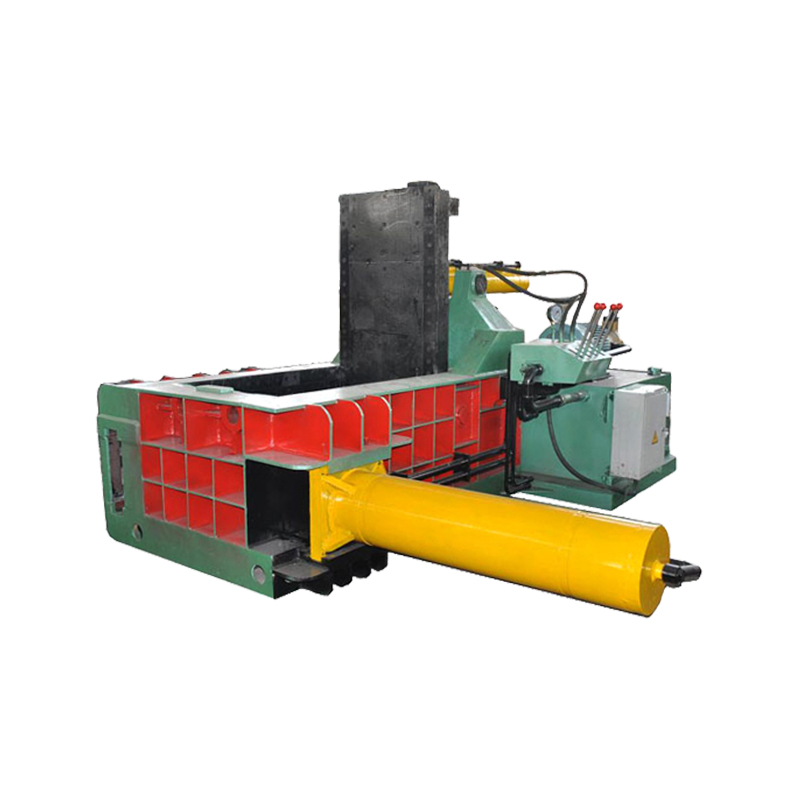
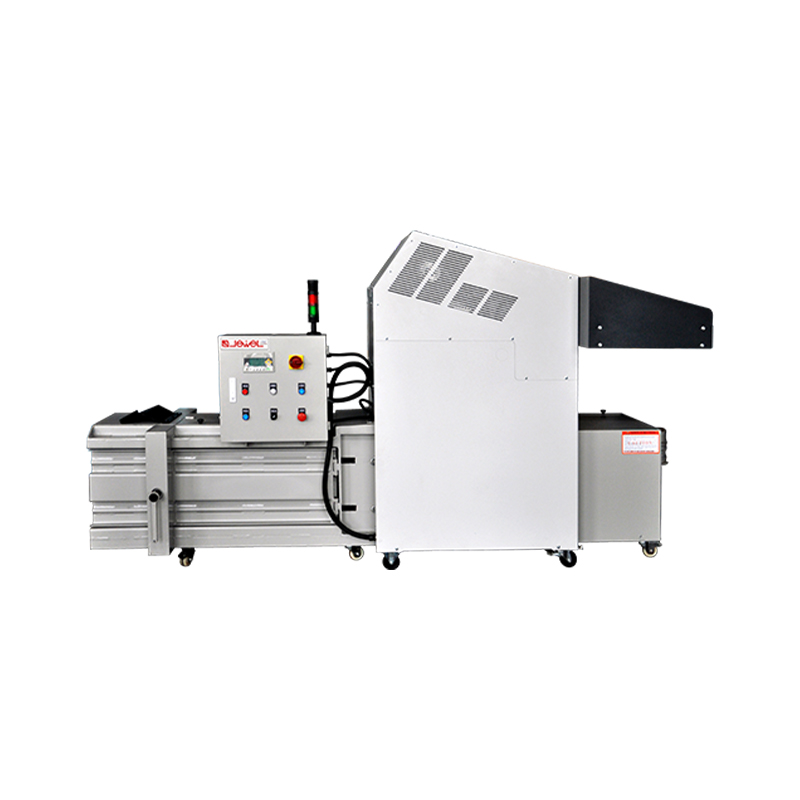
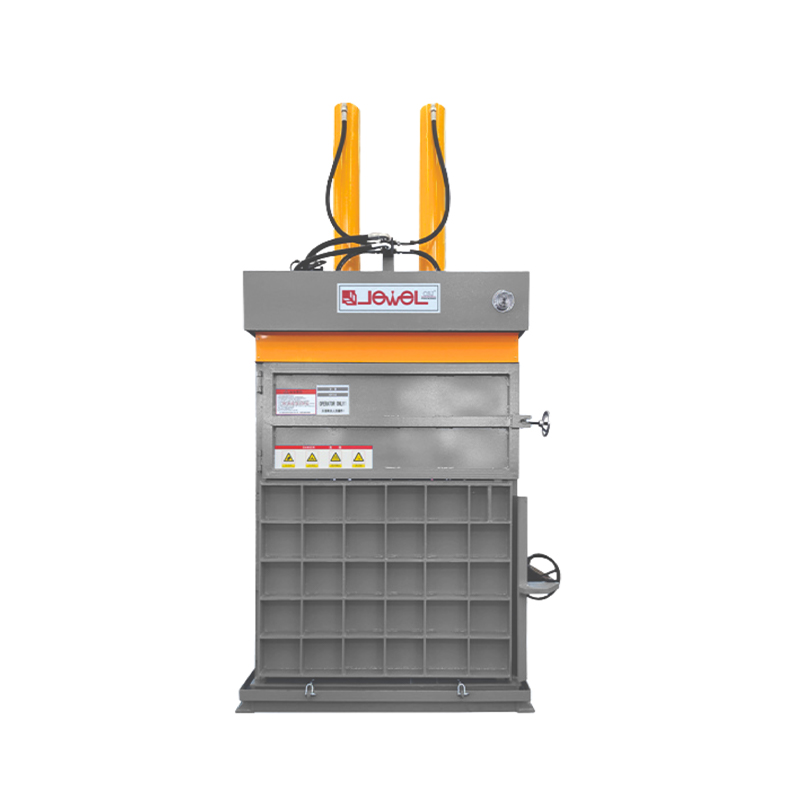
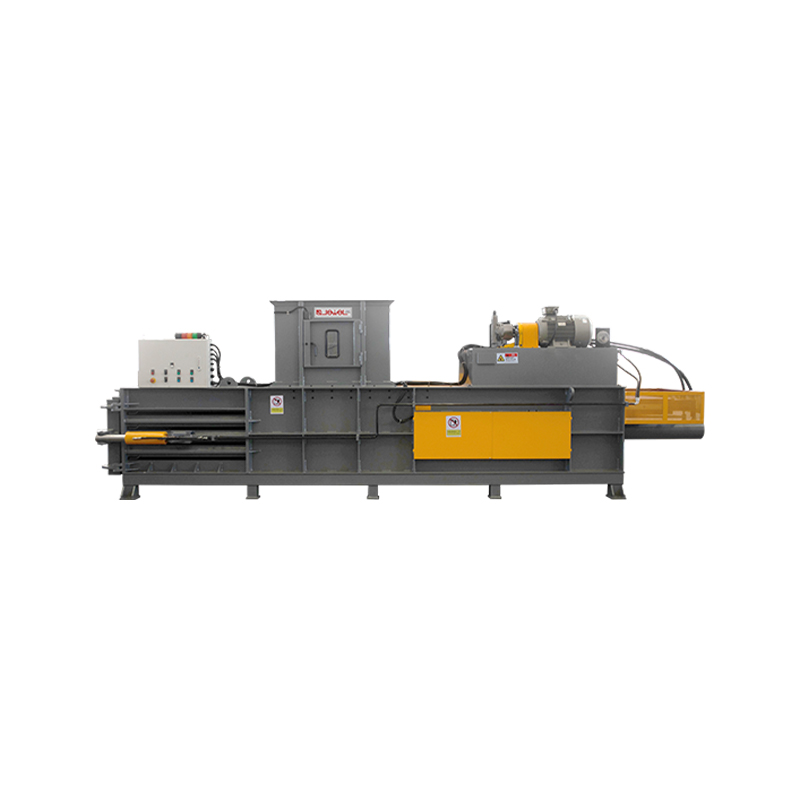
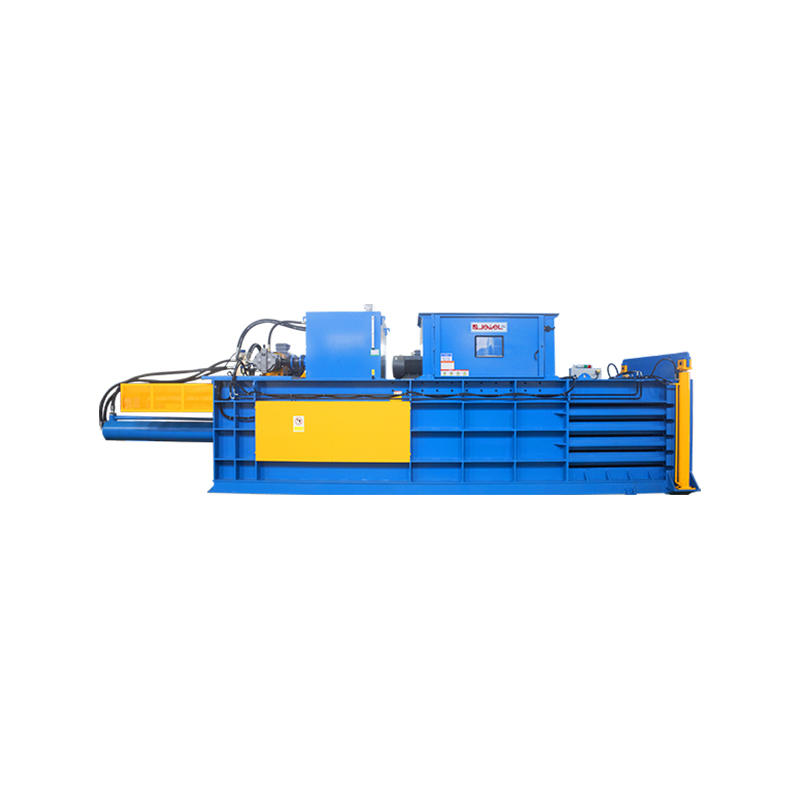
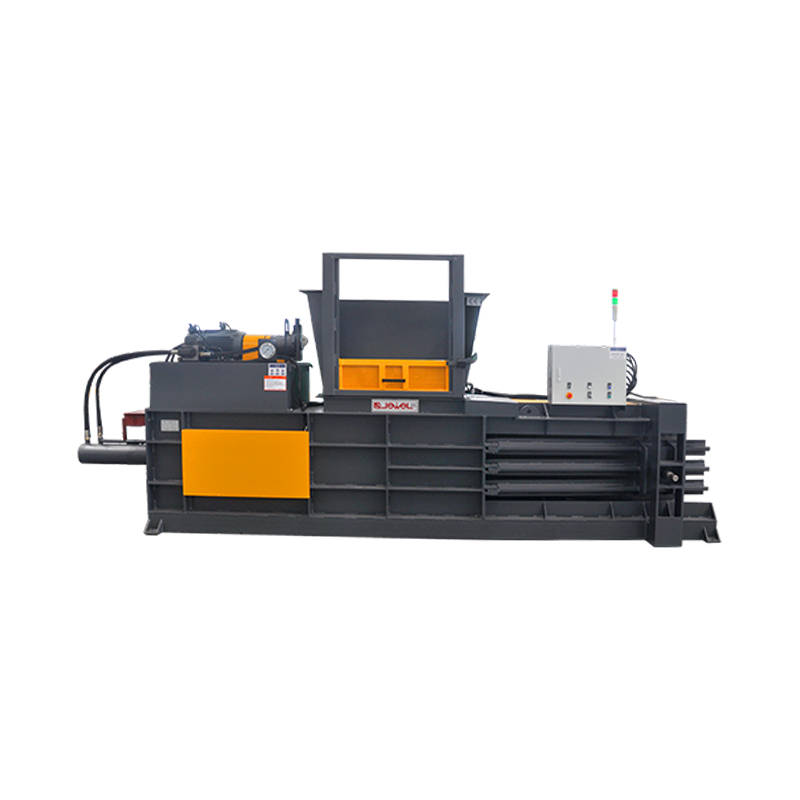
On modern ocean-going vessels, luxury cruise ships, and offshore platforms, solid waste management has always been a severe challenge. Due to the extremely limi...
READ MORE2026-07-24
Content
A hydraulic metal baler machine converts loose, bulky scrap into dense, transportable blocks through a closed-loop hydraulic system rather than mechanical leverage alone. Every stage of this process — from the moment loose material enters the chamber to the moment a finished block is ejected — is governed by oil pressure, cylinder stroke length, and chamber geometry. Understanding these mechanics is the starting point for anyone comparing a hydraulic scrap metal baler against other compaction methods, and it explains why hydraulic systems remain the dominant technology across scrap yards, stamping plants, and metal fabrication facilities.
The compression force in a hydraulic scrap metal baler originates from a hydraulic pump that pressurizes oil inside a closed circuit. That pressurized oil is directed through control valves into one or more cylinders, and it is the cylinder rod extending under pressure that pushes the compaction plate forward. Because oil is nearly incompressible, the force transmitted through the cylinder remains stable and predictable, which is why hydraulic systems can hold a set pressure against dense or irregular material without stalling the way a purely mechanical press might.
A typical circuit includes a motor-driven pump, a directional control valve block, a pressure relief valve, one or more compaction cylinders, and a tank that stores and cools the hydraulic oil. The relief valve is what protects the structure of the machine — once pressure reaches a preset ceiling, oil is diverted back to the tank instead of continuing to build force against the material or the frame. This single component is often the difference between a baler that runs reliably for years and one that develops cracked welds or bent guide rails within months.
Converts mechanical rotation from the motor into hydraulic flow, generating the oil pressure that ultimately becomes compaction force.
Extends the compression plate into the material chamber, delivering the pressing force in a controlled, repeatable stroke.
Routes oil flow to extend or retract cylinders in sequence, allowing multi-stage compression cycles on more complex chamber layouts.
The enclosed steel structure that contains the scrap during pressing, shaping the final bale dimensions and density.
Two machines with identical pump ratings can still produce bales of noticeably different density if their chamber geometry differs. A narrower chamber concentrates the same force over a smaller cross-section, raising effective pressure per square centimeter of material. A taller chamber allows more material to be loaded before a single compression stroke, which reduces the number of cycles needed to build a full-size bale but requires stronger side walls to resist outward force during pressing. This is one of the less-discussed factors buyers should weigh when reading specification sheets, since tonnage alone does not fully describe how dense or how uniform the finished bales will be.
In plain terms, a metal baler is a machine engineered to reduce the volume of loose or bulky scrap material by compressing it into a compact, self-supporting block. While the term is sometimes used loosely across recycling operations to cover cardboard, textile, and plastic compaction equipment, in a metalworking context it refers specifically to machines built with reinforced steel chambers, wear-resistant liner plates, and hydraulic systems rated for the higher resistance that ferrous and non-ferrous metals present compared to softer recyclable materials.
Classification generally follows three lines: chamber orientation (vertical or horizontal), automation level (manual, semi-automatic, or fully automatic), and feed method (open-top loading, conveyor-fed, or crane-fed for oversized material). A facility processing turnings and light gauge sheet has very different requirements from one processing entire vehicle shells, so the category itself is broad even though the underlying hydraulic principle stays consistent across models.
Facilities researching equipment for continuous scrap processing often start with the Metal Hydraulic Baler product line, which covers multiple chamber sizes and automation configurations suited to different daily throughput targets.
| Loading direction | Top-loaded, gravity assists feeding | Side or front-loaded, often conveyor-fed |
| Footprint | Compact, smaller floor area | Larger, needs continuous feed space |
| Cycle style | Batch pressing, single or multi-stroke | Continuous or near-continuous pressing |
| Typical daily output | Lower to moderate volume | Moderate to high volume |
| Operator involvement | Higher, especially on manual models | Lower once automated feed is set up |
Vertical configurations remain popular in operations where floor space, budget, or staffing levels do not justify a full horizontal line. The advantages of vertical metal hydraulic baler equipment extend beyond footprint alone, and several of them directly affect day-to-day operating cost rather than just upfront purchase price.
A vertical chamber presses downward instead of extending outward, allowing installation in facilities where horizontal equipment simply would not fit.
Single-operator workflows are common, with load, press, and eject steps requiring minimal training compared to multi-stage horizontal systems.
Fewer structural components and a simpler hydraulic layout generally translate into a lower purchase price and reduced spare parts inventory.
Sheet offcuts, light structural steel, wire, and mixed light-gauge scrap can all be processed without extensive pre-sorting.
Shorter stroke lengths and smaller pump ratings reduce electrical demand relative to large horizontal press lines.
A smaller foundation footprint and simpler utility connections shorten the time between delivery and first production cycle.
These advantages come with a natural tradeoff: batch-style pressing means a vertical machine typically produces fewer bales per hour than a comparable horizontal unit. For operations generating a steady, high volume of scrap around the clock, that tradeoff shifts the calculation toward horizontal or automatic configurations instead.
An automatic hydraulic scrap metal baler removes most manual intervention from the pressing cycle. Once material is fed into the system — either manually loaded into a hopper or delivered via conveyor — a PLC-based control sequence manages loading, pressing, ejection, and often bale tying without an operator triggering each stage individually. This shifts the operator's role from active machine control to supervision, quality checks, and periodic maintenance tasks.
| Manual | Operator triggers each pressing stroke individually | Low-volume, intermittent scrap generation |
| Semi-automatic | Loading is manual, pressing sequence runs automatically | Moderate volume with variable material shapes |
| Fully automatic | Loading, pressing, and ejection run without step-by-step input | High, continuous scrap generation environments |
Fully automatic systems also tend to include integrated sensors that monitor hydraulic pressure, cylinder position, and bale weight in real time. This data can flag abnormal resistance during a press stroke — often an early indicator of oversized or improperly sorted material inside the chamber — before it causes mechanical strain. For facilities running multiple shifts, this monitoring layer reduces unplanned downtime because problems surface as alerts rather than as sudden equipment failures.
This question comes up often among facilities expanding beyond basic compaction. A metal crusher is more accurately referred to as a metal shredder or metal crusher unit, and its function is fundamentally different from a baler even though both machines appear in the same processing line. A crusher or shredder reduces the physical size of scrap through cutting, tearing, or impact forces, breaking large components down into smaller, more uniform pieces. A baler, by contrast, does not change the shape or size of individual pieces of metal so much as it compresses the space between them, turning loose, irregular material into a dense, uniform block.
| Primary function | Volume reduction through compression | Size reduction through cutting or impact |
| Output form | Dense rectangular or cubic bales | Smaller irregular fragments or chips |
| Common feed material | Sheet, wire, cans, light structural scrap | Vehicle bodies, appliances, mixed heavy scrap |
| Typical process order | Often follows shredding or precedes melting | Often precedes baling or sorting |
Many recycling lines actually use both machines in sequence. Oversized or mixed scrap passes through a shredder first to normalize piece size and allow easier material separation, and the resulting fragments are then baled to prepare them for transport or furnace charging. The correct order depends heavily on the composition of incoming scrap and the requirements of the downstream buyer or smelter.
This is one of the most frequent spelling confusions in equipment research, and it is worth addressing directly because the two terms lead to entirely different subject areas. A baler — spelled with one "i" removed — refers to compaction equipment used across recycling, agriculture, and industrial waste handling to compress loose material into bales. A bailer, spelled differently, generally shows up in unrelated contexts such as fluid removal tools or legal terminology related to bail proceedings, and has no connection to metal compaction equipment whatsoever.
When researching equipment specifications, purchase agreements, or technical manuals, using the correct spelling avoids irrelevant search results and ensures product documentation matches the intended machine category. This distinction matters more than it might initially seem, particularly when cross-referencing parts catalogs or service manuals where a single letter difference can lead to an entirely unrelated product line.
Farm operations generate metal scrap in fundamentally different patterns than industrial recycling facilities. Worn fencing wire, broken implement parts, damaged panels, and general metal debris accumulate gradually rather than continuously, which changes the equipment calculus considerably. A large horizontal baler designed for constant high-volume feed is generally over-specified for this kind of intermittent generation pattern, both in terms of cost and in terms of practical footprint on working farmland.
Farm-generated scrap volumes rarely require continuous processing capacity, making a smaller vertical unit sufficient for most seasonal accumulation cycles.
Farm buildings and equipment sheds often serve multiple purposes, so a compact footprint preserves usable space for other machinery and storage.
Farm staff typically operate a wide range of equipment without specialized training in any single machine, favoring simpler control layouts over complex automated sequences.
Capital for farm equipment is usually distributed across many priorities, making a lower-cost vertical configuration a more practical fit than a large industrial line.
Based on these factors, a lighter-duty vertical hydraulic model with moderate tonnage, an open-top loading design, and single-operator controls generally matches the needs of a small farm operation more closely than a heavier horizontal system built for constant industrial throughput. Farms that also handle occasional larger loads — damaged equipment frames or larger sheet sections — may still benefit from a mid-tonnage unit rather than the lightest available model, since undersized equipment can struggle with thicker gauge material and lead to longer press cycles or incomplete compaction.
The table below summarizes how tonnage, footprint, and automation typically scale across common equipment classes. These figures reflect general industry ranges rather than any single model, and actual specifications vary by manufacturer and configuration.
| Light vertical unit | 20 – 60 tons | Compact | Manual / Semi-automatic |
| Mid vertical unit | 60 – 150 tons | Moderate | Semi-automatic |
| Heavy horizontal unit | 150 – 800 tons | Large | Semi / Fully automatic |
| High-output horizontal line | 300 – 1000+ tons | Extensive | Fully automatic |
Even well-built hydraulic equipment develops predictable issues over years of service. Recognizing the underlying cause rather than treating only the symptom helps operators extend service life and avoid repeat breakdowns.
Often traced to worn seals reducing effective cylinder pressure, or to relief valve settings that release pressure earlier than the material requires.
Commonly linked to pump wear, oil viscosity issues from contamination, or partially blocked filters restricting hydraulic flow.
Frequently caused by consistently feeding material against one side of the chamber rather than distributing loads evenly across the pressing surface.
Usually a sign of continuous operation beyond the cooling system's rated capacity, or a cooling circuit that requires cleaning.
Typically related to uneven material loading or a chamber liner that has worn unevenly, allowing material to shift during pressing.
Often points to air trapped in the hydraulic lines, which should be bled from the system according to the manufacturer's service procedure.
Beyond tonnage figures on a spec sheet, several structural and operational details influence how a machine performs once it is running production loads day after day. Chamber liner thickness affects how long the pressing surfaces resist wear from abrasive scrap. Cylinder seal quality determines how consistently the system holds rated pressure over thousands of cycles. Control panel layout affects how quickly operators can respond to abnormal readings. And access panel placement affects how much downtime routine maintenance actually requires.
Reinforced walls and replaceable wear liners extend service life significantly compared to thinner, non-replaceable chamber plating.
Reputable pump and valve brands generally hold tighter tolerances, reducing pressure drift and unplanned service intervals.
A clearly labeled control interface with visible pressure and cycle status reduces operator error during daily use.
Accessible filter housings, sight glasses, and grease points shorten routine service time and encourage more consistent upkeep.
Guarded loading areas and interlocked access doors reduce operator risk during both loading and ejection stages of the cycle.
Standardized hydraulic components reduce lead time on replacement parts compared to fully proprietary hydraulic systems.
Material composition has a direct effect on how a baling cycle should be configured, and operators who understand these differences typically achieve more consistent bale quality with less trial and error. Thin gauge sheet steel compresses quickly and reaches high density with relatively modest pressure, while heavier structural sections or vehicle components require sustained pressure across a longer stroke to fully collapse internal voids. Wire and cable scrap behaves differently again, tending to spring back slightly after pressing unless the cycle includes a hold period at peak pressure before the plate retracts.
Compresses efficiently with minimal spring-back, making it one of the most straightforward materials to bale at high density.
Benefits from a chamber with tight liner tolerances, since fine material can otherwise migrate into gaps around the pressing plate.
Requires lower pressure than ferrous material of similar volume, and excessive force can sometimes reduce bale cohesion rather than improve it.
Needs higher tonnage and a longer effective stroke to collapse hollow sections and achieve consistent internal density.
Performs best with a brief pressure hold at the end of the stroke to limit spring-back once the plate begins to retract.
Often processed after initial flattening or partial dismantling, since intact panel curvature can reduce chamber loading efficiency.
Purchase price is only one part of the total cost picture for a hydraulic baler, and it is often not the largest factor over the equipment's working life. Energy consumption during pressing cycles, hydraulic oil replacement intervals, wear liner replacement frequency, and the labor hours required per ton of processed scrap all compound over years of operation. A machine with a higher upfront cost but tighter hydraulic tolerances and better wear resistance can frequently produce a lower cost per ton processed than a cheaper unit that requires more frequent servicing or produces less dense, harder-to-transport bales.
Bale density itself carries a direct financial dimension as well, since transport costs for scrap metal are typically driven by volume as much as by weight. Denser bales mean more material fits into each truckload or container, which reduces the number of transport trips needed to move a given tonnage of processed scrap. Over a full operating year, this compounding effect on transport efficiency can represent a meaningful share of total processing economics, particularly for facilities located a significant distance from their receiving point.
Many models handle both categories, though pressure settings and chamber liner selection may need adjustment since non-ferrous metals like aluminum often compress differently than steel due to lower density and hardness.
Service intervals vary by usage intensity and operating environment, but most manufacturers recommend scheduled oil analysis or replacement based on operating hours rather than calendar time alone, since contamination accumulates faster under heavy continuous use.
Yes, bale dimensions are often specified by the receiving facility, and chamber size should be selected with those downstream requirements in mind rather than choosing dimensions independently.
Sorting improves bale consistency and reduces contamination in the final product, and it also protects hydraulic components from unexpected resistance caused by oversized or improperly shaped material entering the chamber.
Some machines support control system upgrades, but the extent depends on the original hydraulic layout and whether the frame and cylinders were designed to accommodate additional automated cycle stages from the outset.
Routine attention to a handful of components prevents the majority of unplanned downtime across both vertical and horizontal equipment. Hydraulic oil level and clarity should be checked at the start of each shift, since cloudy or discolored oil often signals contamination before any performance drop becomes noticeable. Chamber liners should be inspected periodically for uneven wear patterns, which can indicate that material is consistently loaded off-center. Cylinder rods should be kept clean and free of scrap debris, since embedded particles can score the rod surface and lead to seal damage over time.
Electrical connections, particularly on automated control systems, should be checked for loose terminals or signs of overheating during scheduled maintenance windows. Filter elements should follow the replacement schedule specified by the manufacturer rather than being extended based on visual inspection alone, since internal filter degradation is not always visible from the outside. Taken together, these habits do more to protect long-term reliability than any single component upgrade, and they apply equally whether the equipment in question is a compact vertical unit on a small farm or a fully automated horizontal line running continuous shifts in a large recycling facility.
Recommended products
On modern ocean-going vessels, luxury cruise ships, and offshore platforms, solid waste management has always been a severe challenge. Due to the extremely limi...
READ MOREINDUSTRY GUIDE Waste Compression and Material Handling What Is a Horizontal Baler and Which Type Fits Your Material? Horizontal balers compress large volumes...
READ MOREA properly engineered baler machine does more than compress waste — it changes how a facility manages space, labor, and outbound logistics. Whether the applic...
READ MOREWhat Is a Baler for Cardboard? A packaging plant generating two tons of corrugated offcuts per day faces a familiar problem: loose cardboard fills a forty-yar...
READ MOREHorizontal Balers for High-Volume Material Compaction: A Technical Overview Manufacturing plants, distribution centers, and recycling facilities that generate ...
READ MOREIn the context of the global circular economy and efficient industrial waste utilization, metal resource recycling demands higher equipment performance. Whether...
READ MORE
Waste Types
Categories
 Custom Baling Press Machine Manufacturers