
 English
 中文简体
中文简体 русский
 日本語
日本語 Français
 Español
 عربى
عربىen
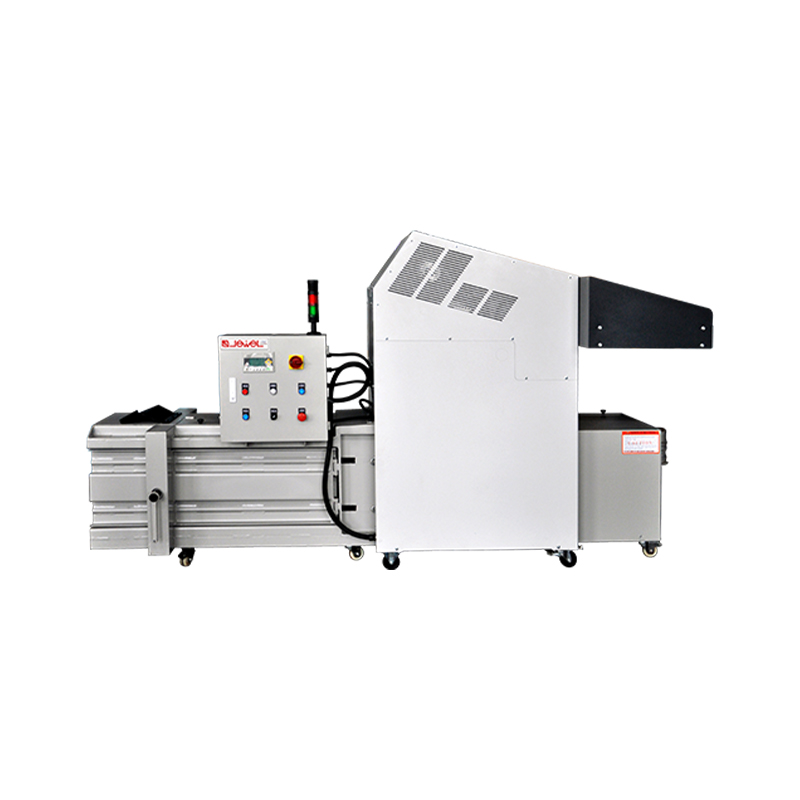
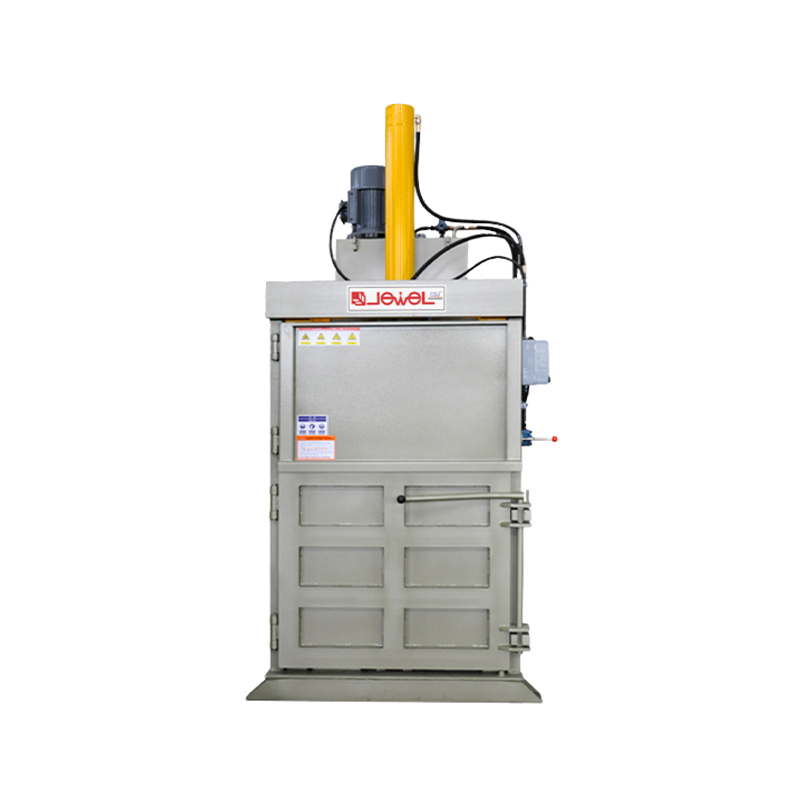
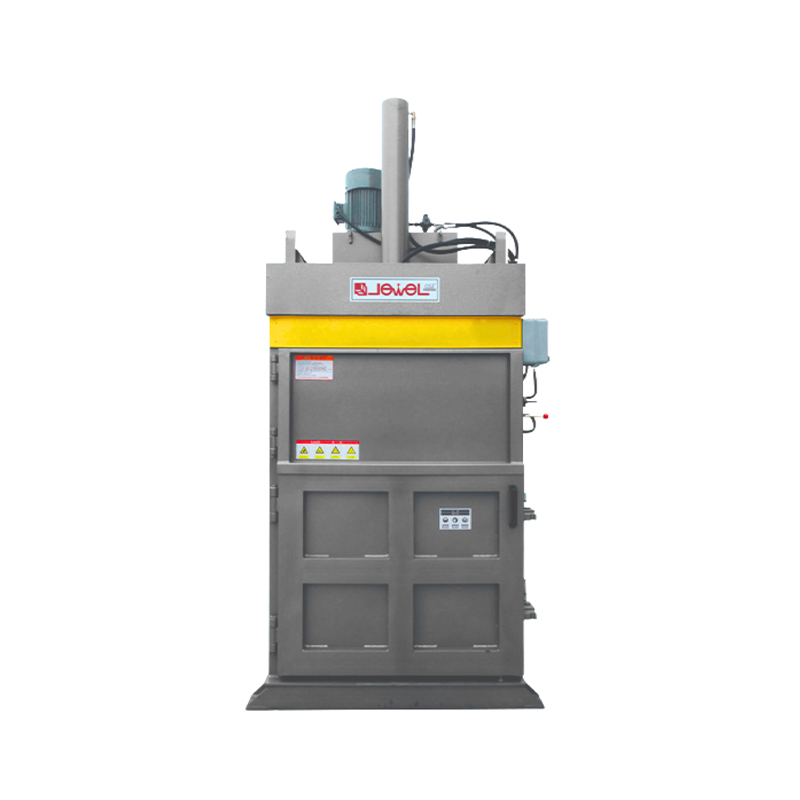
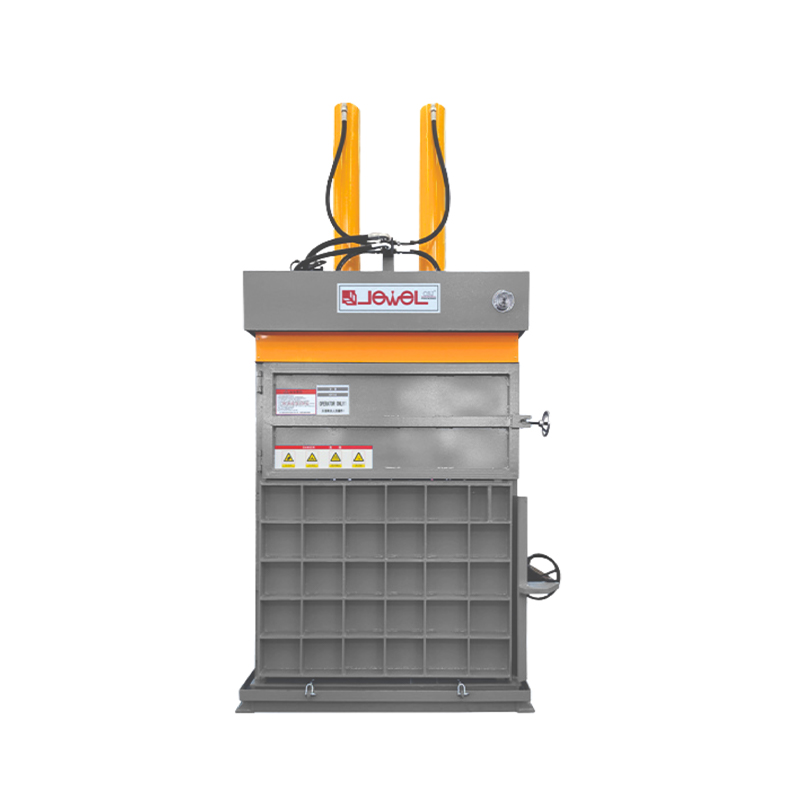
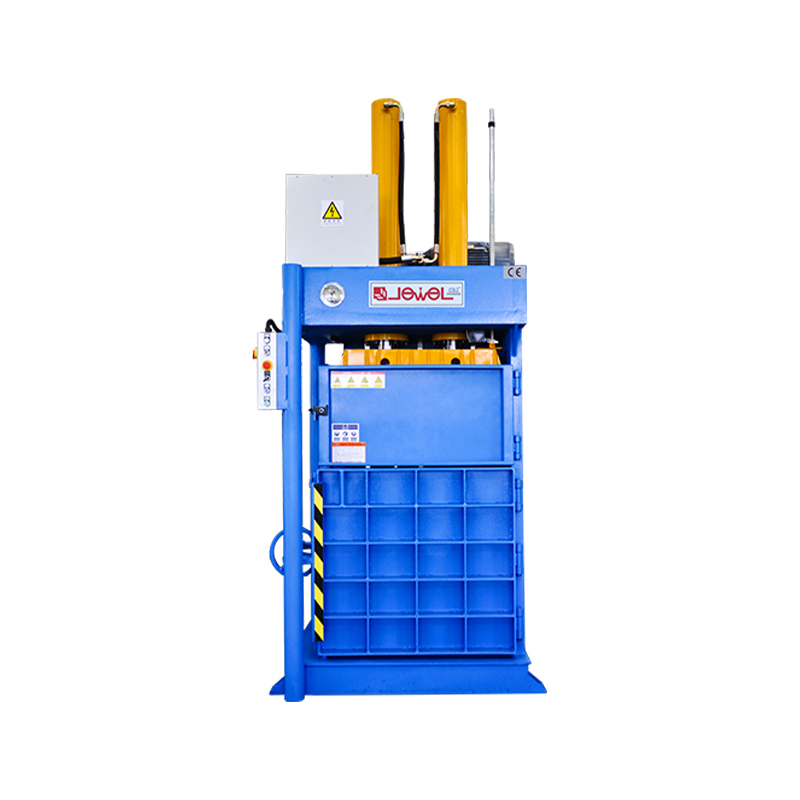
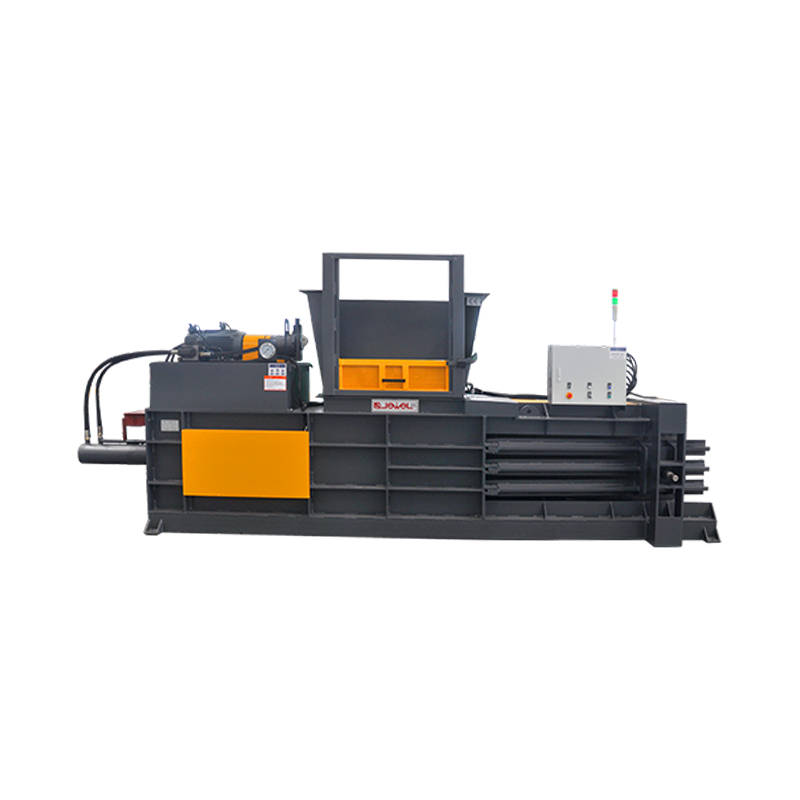
When selecting hydraulic balers, shredding and compaction systems, or waste discharge systems, the quality of the selection process directly determines long-ter...
READ MORE2026-07-09
A container full of steel and hydraulics sitting idle at a customs terminal is one of the most expensive delays a recycling or packaging operator can face. It rarely happens because the machine itself is defective — it happens because a single certificate was missing, expired, or issued by the wrong body. For buyers sourcing a hydraulic baler machine from an overseas factory, understanding what stands behind the paperwork is just as important as understanding the machine's tonnage or cycle time.
Buyers often spend weeks comparing motor power, chamber size, and bale density between suppliers, yet leave certification as an afterthought — something to "sort out later" once the order is confirmed. In practice, this is backwards. A press with slightly lower output but complete, verifiable compliance documentation will almost always reach the buyer's warehouse faster and cheaper than a marginally more powerful machine with incomplete paperwork.
Two documents in particular tend to decide how smoothly a shipment clears European borders and how confidently a plant manager can sign off on installation: the CE certificate issued for the specific machine model, and a third-party supplier audit report that verifies the factory behind it. Neither replaces the other, and buyers who only check one are exposing themselves to risk they may not even realize exists.
Every day a machine sits held at customs adds demurrage charges, storage fees, and pressure on the operations team waiting to put it to work.
Many equipment insurers and lenders will not finalize coverage or financing terms without documented compliance on file.
A used baler with a complete compliance file typically commands a noticeably higher resale price than an undocumented unit of the same age.
CE marking on industrial machinery is not a marketing badge — it is a legal declaration tied to specific EU directives and harmonized standards. For hydraulic baling equipment entering the European market, the two directives that matter most are the Machinery Directive (2006/42/EC) and the Low Voltage Directive (2014/35/EU). Together, they cover everything from mechanical guarding and emergency stop functions to electrical enclosure ratings and wiring safety.
Underneath the directive sits the harmonized standard, and this is where buyers can quickly separate a genuine certificate from a superficial one. A baler certified under EN ISO 12100:2010 has been assessed against a structured risk methodology covering crushing points, shear zones, and hydraulic system failure modes. EN 60204-1:2018 governs the electrical equipment of the machine itself — control panel design, cable routing, protective earthing, and stop-circuit behavior. If a certificate references only a generic "CE compliant" label without naming these standards, it is worth asking the supplier directly which specific clauses were assessed.
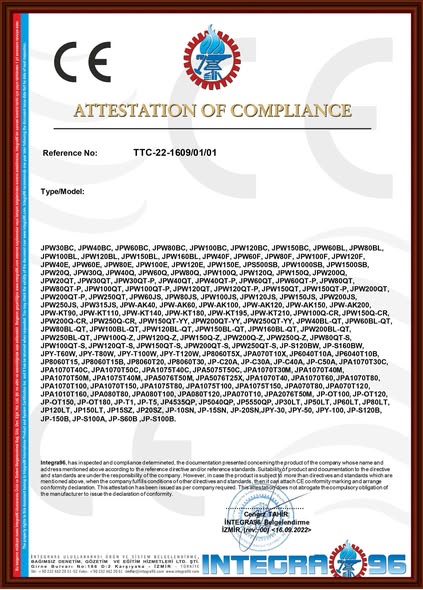
| Reference Item | Detail |
| Certified Model | JPW20Q Fully Automatic Horizontal Baler |
| Certificate Number | TTC-22-1609/01/01 |
| Issuing Body | INTEGRA96 |
| Governing Directives | Machinery Directive 2006/42/EC; Low Voltage Directive 2014/35/EU |
| Applied Standards | EN ISO 12100:2010; EN 60204-1:2018 |
A certificate that lists all five of these reference points gives an EU customs broker exactly what they need to process an entry without follow-up questions. This level of detail is precisely what separates a documentation package built for real market entry from one assembled at the last minute for a single shipment.
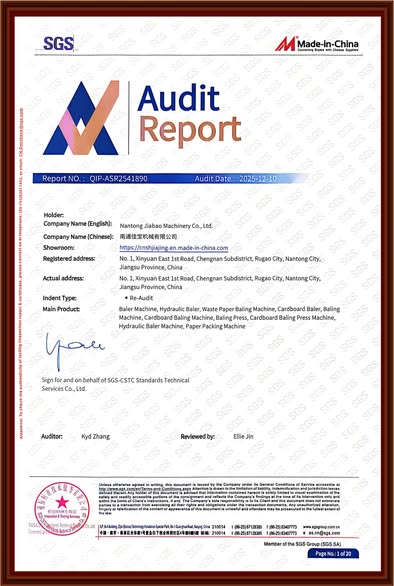
Where CE certification focuses on the machine, an SGS Made-in-China Supplier Audit Report focuses on the factory that built it. This distinction matters more than it might first appear. A buyer could theoretically obtain CE certification for one sample unit while the rest of the production line varies in build quality, welding consistency, or component sourcing. A supplier audit closes that gap by examining the manufacturing environment itself — production capacity, quality control checkpoints, staff qualifications, and repeatability of output across batches.
An audit report carrying reference number QIP-ASR2541890 covers the full product range produced under a given manufacturer, rather than a single SKU. For a company whose catalogue spans horizontal, vertical, and special-purpose baling machines, this means the audit findings apply across the entire lineup rather than being isolated to one flagship model. Buyers evaluating multiple machine types from the same factory can rely on one audit reference instead of chasing separate documentation for each unit.
Auditors verify that stated output volumes match actual factory floor capability, reducing the risk of overbooked lead times.
Quality checkpoints at each production stage are reviewed to confirm that units leaving the line meet a consistent standard, not just the sample unit.
Registered address, showroom, and legal entity details are confirmed and documented, giving buyers a verified counterpart rather than an anonymous storefront.
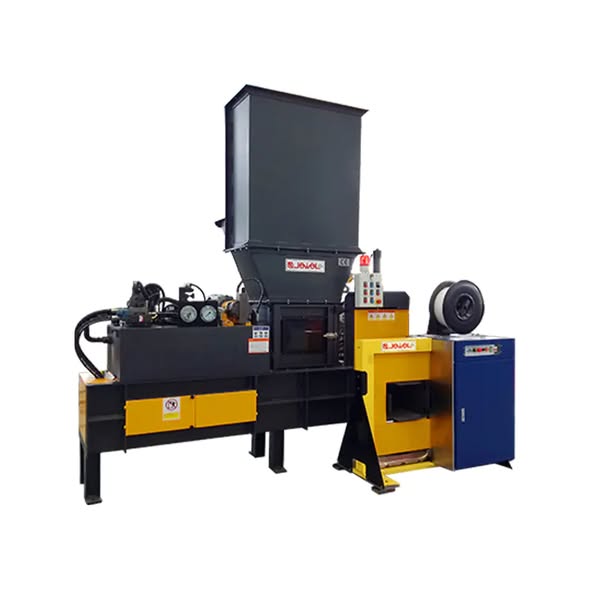
A continuous-feed hydraulic press engineered for high-throughput material streams, pairing a heavy-gauge steel frame with a fully enclosed, CE certified electrical cabinet.
The JPW20Q is a fully automatic horizontal baler designed for continuous, high-throughput compaction rather than intermittent, manually loaded cycles. Horizontal configuration allows material to be fed continuously from one end while finished bales are ejected from the opposite end, which keeps the press running without the loading pauses typical of vertical designs. For operations processing large daily volumes — whether that is waste paper, cardboard, PET bottles, or mixed plastic film — this continuous-cycle layout translates directly into fewer labor hours per ton processed.
Hydraulic pressure delivery on the JPW20Q is tuned to produce dense, tightly bound bales that hold their shape through stacking, storage, and long-distance transport. Loosely formed bales are a common source of hidden cost — they take up more warehouse space, are harder to stack safely, and can lose material during shipping. A properly pressed bale from a correctly calibrated horizontal baler avoids all three problems, which is part of why bale density is worth asking about directly rather than assuming it from motor horsepower alone.
| Feature | Why It Matters |
| Continuous Horizontal Feed | Reduces operator downtime between loading cycles |
| Automatic Wire Tying | Produces consistent bale shape without manual strapping labor |
| Hydraulic Pressure Control | Adjustable compaction force for different material densities |
| CE Certified Electrical Cabinet | Meets EU low-voltage safety requirements out of the box |
Certification questions often come up because a buyer is evaluating one specific model, but most operations eventually need more than one type of press as their material stream diversifies. A facility that starts by baling cardboard often finds itself needing a separate solution for PET bottles within a year or two, and a textile recycler frequently discovers that fabric offcuts behave very differently under pressure than paper or film. Having a manufacturer that produces a broad, consistently audited range removes the friction of re-vetting a new supplier every time the material mix changes.
Compact footprint suited to sites with limited floor space, ideal for lower-volume cardboard, film, and mixed dry recyclables.
Higher-cycle pressing built for print shops, distribution centers, and paper recovery facilities handling continuous paper volume.
Chamber geometry tuned for corrugated material, producing dense bales that reduce outbound freight cost per ton.
Pressure profiles calibrated for rigid plastics, minimizing bale spring-back and rebound after strapping.
Extended dwell-time pressing designed for fibrous material that compresses more slowly than paper or plastic.
Configured chamber dimensions and feed systems for unusual material shapes, aluminum cans, or scrap metal streams.
Recycling sorting centers are the most obvious destination for a horizontal baler like the JPW20Q, but the applications extend further than the recycling industry alone. Large retail distribution hubs generate enormous volumes of cardboard packaging daily and increasingly install on-site balers to reduce outbound waste hauling costs. Printing and publishing facilities produce a steady stream of paper trim and misprints that, left unbaled, consume disproportionate floor space. Beverage bottling plants and PET recyclers rely on baling to compress empty containers before they are shipped for reprocessing into new resin. Textile manufacturers and garment recyclers use slower-cycle presses to compact fabric scraps that would otherwise be bulky and difficult to transport economically.
What connects these different environments is not the industry label but the material logic: any operation generating a continuous stream of low-density waste benefits from converting it into dense, transportable bales as close to the point of generation as possible. The earlier in the process compaction happens, the less handling, storage space, and freight cost the material accumulates before it reaches its next destination.
Certification on paper only means something if the manufacturing process behind it is consistent. Across a 50,000 square meter production facility staffed by more than 200 technical personnel, each baler moves through a sequence of build and inspection stages before it is cleared for shipment. Steel frame welding is checked for structural integrity under load simulation. Hydraulic circuits are pressure-tested to confirm there are no leaks under sustained operating pressure, not just at startup. Electrical cabinets are wired according to the same low-voltage standard referenced in the CE certificate, then tested for correct stop-circuit response before the unit is powered down for packing.
Every completed unit undergoes a full operational test cycle prior to shipment — running the press through loading, compaction, and ejection under actual working pressure rather than a static visual inspection. This full-cycle testing approach is part of why the SGS audit findings apply consistently across the product range rather than being specific to one sample unit pulled aside for certification purposes.
Two operations processing the same tonnage of waste paper can have completely different ideal machine configurations depending on incoming voltage, available floor space, and how material physically arrives at the loading point. Voltage and frequency are configured to match the destination country's electrical grid rather than shipped as a fixed default, which avoids the common problem of a machine arriving with the wrong motor specification for local power supply. Bale size and density settings are adjusted based on downstream logistics — a buyer shipping bales by ocean container benefits from a different target density than one moving bales by regional truck within a shorter distance.
Feeding configuration is another area worth discussing directly with an engineering team rather than assuming a standard setup will fit. Some facilities feed material manually from a loading dock, others integrate a conveyor directly from a shredding or sorting line upstream. Automatic feeding systems reduce labor requirements but need to be matched precisely to the material's bulk density and flow characteristics to avoid jamming. A hydraulic baler machine configured correctly at the point of order saves far more time over its operating life than one that has to be retrofitted after installation.
No. CE certification is issued per model, referencing that model's specific design, electrical cabinet, and safety systems. A certificate for one model does not automatically extend to a different chamber size or configuration unless it is explicitly listed on the same certificate.
No. An SGS supplier audit evaluates the manufacturing facility and its process consistency, while CE certification evaluates a specific machine's compliance with EU safety directives. Buyers targeting the European market generally want to see both.
Yes. Electrical configuration is set according to the destination country's grid standard during production rather than adapted after the machine is built, which avoids compatibility issues at installation.
Density is set through hydraulic pressure and dwell-time configuration based on the material being processed. Paper, cardboard, PET, and textile all compress differently, so pressure profiles are adjusted rather than left at a single default setting across material types.
Outside the EU, CE marking is not a legal requirement, so buyers often prioritize the SGS supplier audit report as their main quality reference, alongside any local electrical or safety standards relevant to their specific country.
Buyers evaluating a hydraulic baler machine for import can request both the CE certificate and the SGS audit report ahead of order confirmation, along with configuration details specific to their material stream, target voltage, and available floor space. Having this documentation in hand before finalizing a purchase order is what allows customs clearance, installation, and commissioning to proceed on schedule rather than becoming a source of delay after the machine has already left the factory.
Recommended products
When selecting hydraulic balers, shredding and compaction systems, or waste discharge systems, the quality of the selection process directly determines long-ter...
READ MOREHorizontal Balers for High-Volume Material Compaction: A Technical Overview Manufacturing plants, distribution centers, and recycling facilities that generate ...
READ MOREMetal Recycling Equipment Guide How Does a hydraulic metal baler Actually Compress Scrap Metal Into Dense Blocks? A hydraulic metal baler machine converts loos...
READ MORECardboard shredders are commonly used for processing corrugated cardboard, carton offcuts, and printed packaging waste. However, a cardboard shredder is not des...
READ MOREA waste discharge system collects waste generated along a production line and transports it to a baler or collection point through pneumatic conveyance, belt co...
READ MOREManufacturing Insight Engineering Standards Behind Every Waste Crusher We Build Every waste crusher leaving our production floor is the result of a defined en...
READ MORE
Waste Types
Categories
 Custom Baling Press Machine Manufacturers